
Getting food from cooking temperature down to safe storage levels quickly isn’t just about following rules—it’s the difference between product that holds up through distribution and product that starts degrading before it leaves your facility. After working with food processors across different scales of operation, the pattern is consistent: operations that invest in proper blast chilling see measurable improvements in yield, shelf life, and overall product consistency.
This blast chiller guide walks through the technical foundations, selection criteria, and operational considerations that matter most for food processing refrigeration. The goal is practical insight you can apply to real decisions about equipment and workflow.
How Rapid Temperature Reduction Actually Works
The science behind blast chilling centers on one critical window: moving food through the temperature range where bacteria multiply fastest. That danger zone—roughly 60°C down to 5°C—needs to be crossed in under 90 minutes. Anything slower gives pathogens time to establish populations that become difficult to control later.
What makes this more than just a food safety issue is the physics of ice crystal formation. When cooling happens slowly, water molecules have time to organize into large crystalline structures. These crystals puncture cell walls, releasing moisture and degrading texture. Rapid cooling produces microscopic crystals that preserve cellular integrity. The difference shows up in everything from meat texture to vegetable crispness after thawing.
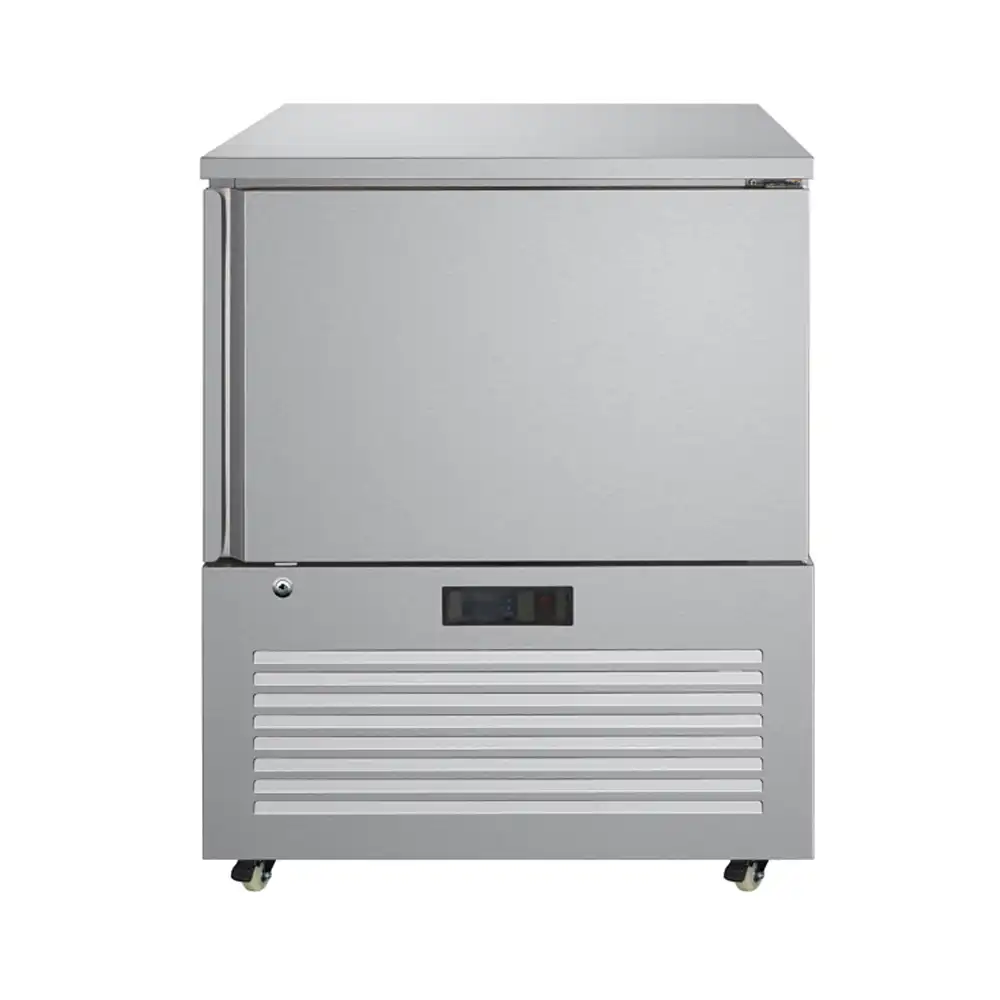
Blast freezers push this principle further, achieving temperatures suitable for long-term frozen storage. The engineering challenge involves balancing airflow distribution with refrigeration capacity—too much airflow without adequate cooling power just moves warm air around, while powerful refrigeration with poor circulation creates hot spots. ZHEJIANG KAIMEI’s approach focuses on optimizing both variables together, which is why their systems deliver consistent results across the full load capacity.
HACCP temperature control depends on this precision. Documentation requirements mean nothing if the underlying process can’t reliably hit target temperatures within specified timeframes.
What is the difference between a blast chiller and a conventional freezer?
Speed changes everything. A blast chiller drops food from cooking temperature to refrigeration or freezing levels in a controlled, rapid cycle. Conventional freezing takes hours or days to achieve similar endpoint temperatures, and that time difference creates fundamentally different outcomes in the food itself.
| Feature | Blast Chiller | Conventional Freezer |
|---|---|---|
| Cooling Speed | Very rapid (e.g., +70°C to +3°C in 90 min) | Slow (several hours to days) |
| Ice Crystal Size | Microscopic | Large |
| Food Quality Impact | Preserves texture, flavor, moisture | Can degrade texture, flavor, moisture (freezer burn) |
| Food Safety | Critical for HACCP compliance | Slower passage through danger zone |
| Energy Consumption | High initial, efficient per cycle | Lower initial, less efficient per unit of food |
The ice crystal issue deserves emphasis. Large crystals from conventional freezing rupture cell membranes, which is why slowly frozen meat releases so much liquid during thawing. That liquid represents lost yield and compromised texture. Rapid freezing preserves the structural integrity that customers expect.
Energy consumption comparison often favors conventional freezers on paper, but the calculation changes when you factor in food waste reduction and quality preservation. The true cost per unit of usable product typically favors blast chilling.
Food Safety and Quality Outcomes from Proper Blast Chilling
Regulatory compliance drives many blast chiller purchases, but the quality benefits often prove more valuable over time. Food safety regulations compliance requires documented cooling protocols, and blast chillers provide the speed and monitoring capabilities to meet those requirements consistently.
The bacterial growth control mechanism is straightforward: bacteria need time at favorable temperatures to multiply. Cut that time short, and populations stay manageable. This matters most for cook-chill systems where food is prepared in advance, held at refrigeration temperatures, and reheated before service. Without rapid initial cooling, these systems become food safety liabilities rather than operational advantages.
Cross-contamination risks decrease when food spends less time in vulnerable temperature ranges. Pathogens that might transfer from one product to another have less opportunity to establish themselves when cooling happens quickly.
Extended shelf life strategies build directly on these principles. Products that cool rapidly show slower quality degradation throughout their storage life. This affects everything from inventory management to customer satisfaction. Cold chain management optimization starts at the point of initial cooling—problems introduced early compound throughout distribution.
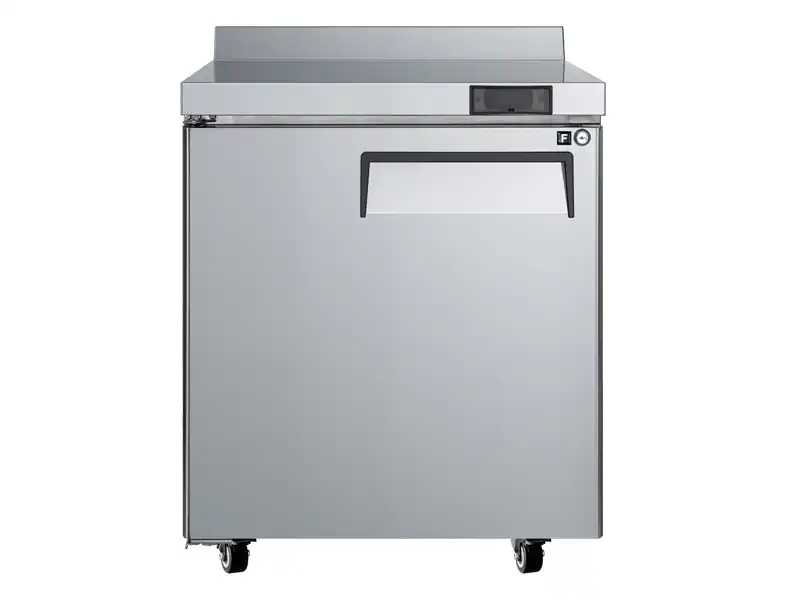
Commercial refrigeration equipment like the Camay Commercial Worktop Refrigerator Cooler Fridge demonstrates how these principles extend beyond blast chillers themselves. The R290 refrigerant and robust insulation maintain the temperatures that blast chilling establishes, preserving product yield improvement and food quality assurance through the entire storage period.
How does blast chilling improve food safety and extend shelf life?
The mechanism is direct: rapid cooling through the danger zone limits microbial growth inhibition to levels that remain safe throughout intended storage periods. Bacteria that would double every 20 minutes at warm temperatures essentially stop multiplying at refrigeration temperatures.
Enzymatic activity reduction follows similar logic. Enzymes that break down proteins, fats, and carbohydrates slow dramatically at low temperatures. This preserves both nutritional value and sensory qualities.
Texture preservation and flavor retention result from maintaining cellular structure. When cells stay intact, they hold their moisture and maintain the physical properties that define quality. Foodborne illness prevention is the regulatory driver, but these quality factors often determine whether blast chilling pays for itself through reduced waste and improved customer acceptance.
Selecting the Right Blast Chiller for Your Operation
Equipment selection requires honest assessment of your actual needs rather than aspirational capacity planning. Cooling capacity calculation should account for peak production volumes with some margin for growth, but oversizing creates its own problems—equipment that runs partial loads constantly operates less efficiently than properly sized units running at design capacity.
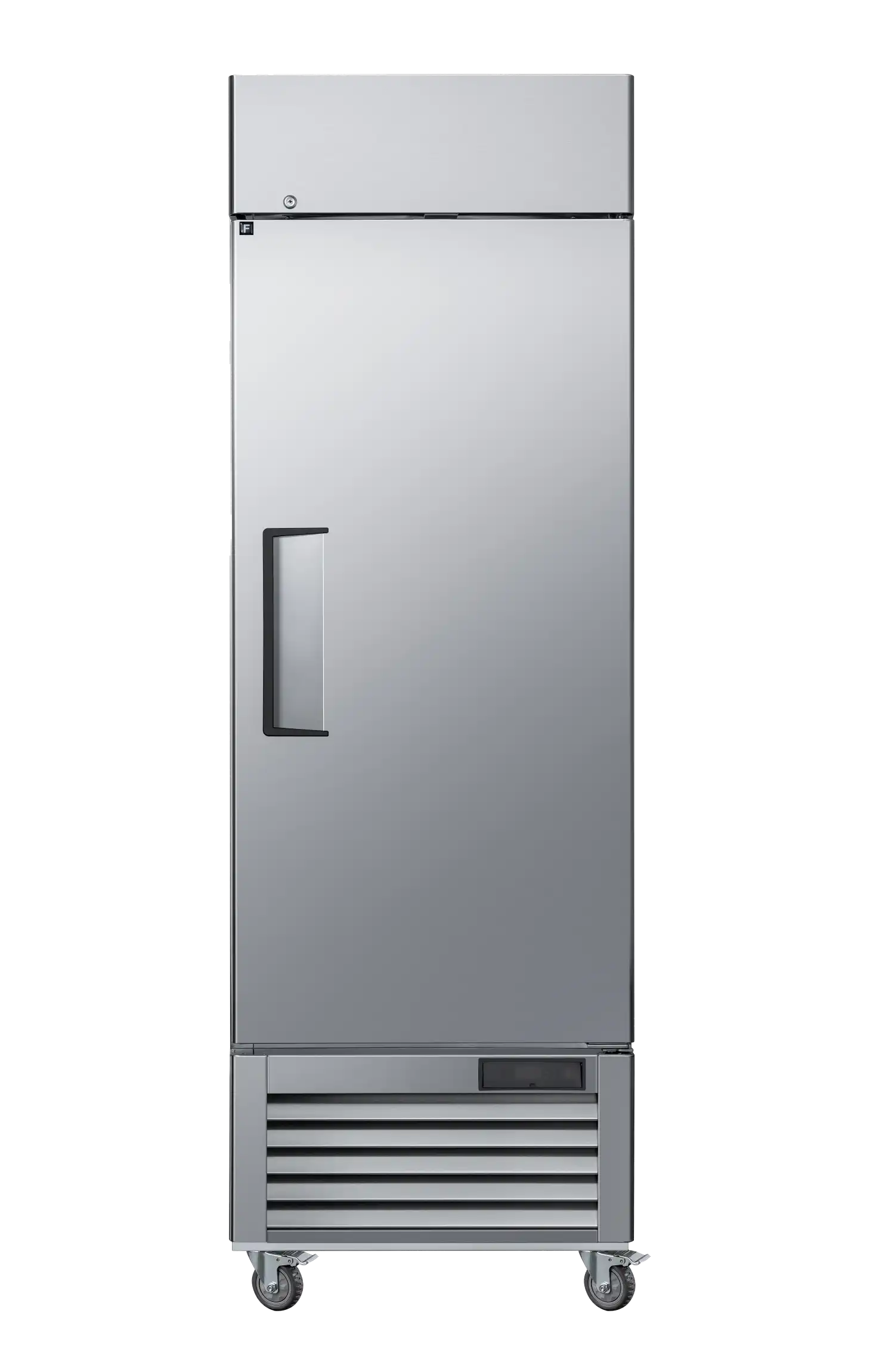
Batch processing requirements vary significantly across operations. A bakery cooling sheet pans of pastries has different needs than a protein processor handling bulk quantities. ZHEJIANG KAIMEI’s range spans compact reach-in models through large roll-in and tunnel configurations, which means matching equipment to actual workflow rather than forcing workflow to fit available equipment.
Digital controls features have become standard, but implementation quality varies. The difference between adequate and excellent controls shows up in programming flexibility, data logging capabilities, and integration with facility management systems. Remote monitoring systems add another layer of operational visibility, allowing problems to be identified before they become emergencies.
Industrial refrigeration standards establish baseline performance and safety requirements. Equipment that meets these standards provides a foundation of reliability, though actual performance depends heavily on installation quality and ongoing maintenance.
Customization options matter when standard configurations don’t quite fit. ZHEJIANG KAIMEI’s 26 years as a manufacturer reputation includes experience adapting equipment to unusual requirements. Catering equipment selection benefits from this flexibility, particularly for operations with space constraints or unique product handling needs.
What are the energy consumption considerations for commercial blast chillers?
Operating costs analysis should include energy consumption as a significant line item. Modern blast chillers achieve high energy efficiency ratings through several mechanisms working together.
Compressor technology matters significantly. Units using Cubigel and SECOP compressors deliver reliable performance with reasonable power consumption. Insulation technology using polyurethane with cyclopentane blowing agents minimizes heat gain, which means the refrigeration system works less to maintain target temperatures.
Power consumption optimization comes from matching equipment to actual loads and maintaining systems properly. A well-maintained unit running at appropriate capacity uses far less energy per unit of cooled product than an oversized or poorly maintained system.
Sustainability in refrigeration increasingly influences purchasing decisions. Energy-efficient equipment reduces both operating costs and environmental impact, which matters for operations facing pressure from customers or regulators to demonstrate environmental responsibility.
Making Blast Chillers Work Within Your Production Flow
Equipment performance depends heavily on how well it integrates with surrounding processes. Food processing plant integration requires thinking beyond the blast chiller itself to consider how product moves into and out of the unit.
Workflow optimization strategies start with mapping current processes and identifying bottlenecks. Sometimes the blast chiller becomes the constraint; other times it’s the loading or unloading steps that limit throughput. Production line enhancement often requires addressing multiple points rather than just upgrading a single piece of equipment.
Loading practices affect both cooling performance and throughput. Overloading reduces airflow and extends cycle times. Underloading wastes energy and capacity. Finding the right balance requires understanding your specific products and how they respond to the cooling environment.
Staff training programs determine whether equipment performs to its potential. Operators who understand the principles behind blast chilling make better decisions about loading, cycle selection, and problem identification. Hygiene protocols for cooling require specific attention since the rapid temperature changes can create condensation issues if not managed properly.
Equipment maintenance schedules and defrosting cycles management directly affect operational efficiency gains. Ice buildup reduces heat transfer efficiency and can eventually block airflow entirely. Regular defrost cycles prevent these problems, but scheduling them requires balancing maintenance needs against production demands.
Keeping Equipment Running Long-Term
Refrigeration equipment reliability depends on consistent maintenance more than initial equipment quality. Even excellent equipment degrades without proper care, while good maintenance extends the useful life of mid-range equipment significantly.
Equipment downtime prevention starts with understanding failure modes. Most blast chiller problems develop gradually—refrigerant leaks, compressor wear, control sensor drift. Preventative maintenance plans catch these issues before they cause unexpected shutdowns.
ZHEJIANG KAIMEI provides spare parts availability and troubleshooting blast chillers documentation that supports both in-house maintenance and service contractor work. Having parts available when needed prevents extended downtime waiting for components.
Technical support services fill gaps when in-house expertise isn’t sufficient. Complex problems sometimes require manufacturer-level knowledge to diagnose and resolve efficiently. Warranty coverage and service contracts provide financial protection and priority access to support resources.
The goal is predictable performance over the equipment’s full service life. Blast chillers represent significant capital investments, and protecting that investment through proper maintenance makes financial sense regardless of the specific equipment brand.
Frequently Asked Questions About Blast Chilling
What is the typical return on investment (ROI) for a commercial blast chiller?
Most operations see payback within one to three years, though the specific timeline depends on production volume and current waste levels. The calculation includes reduced food waste from extended shelf life, labor savings from batch production capabilities, and energy efficiency compared to alternative cooling methods. Operations with high spoilage rates or significant labor devoted to cooling processes see faster returns.
How do blast chillers contribute to HACCP compliance in food production?
HACCP identifies cooling as a critical control point, and blast chillers provide the speed and documentation needed to demonstrate compliance. The equipment logs temperatures and cycle times automatically, creating records that satisfy regulatory requirements. More importantly, the rapid cooling actually achieves the pathogen control that HACCP is designed to ensure—documentation without actual performance is worthless from a food safety perspective.
Can blast chillers be customized for specific food processing applications?
Customization is common and often necessary for optimal results. ZHEJIANG KAIMEI offers variations in capacity, tray configurations, and airflow patterns to match specific product requirements. Some applications need specialized programming for particular food types—delicate items require different treatment than dense products. The flexibility to adapt equipment to actual operational needs often determines whether a blast chiller delivers its full potential value.
Optimize Your Food Production with ZHEJIANG KAIMEI
ZHEJIANG KAIMEI CATERING EQUIPMENT CO., LTD. brings 26 years of manufacturing experience to food processing refrigeration challenges. As a one-stop refrigeration equipment manufacturer, we engineer blast chiller solutions matched to specific operational requirements—not generic configurations that sort of fit. Contact our team for consultation on your specific application. Phone: +8618157202219, Email: Sales@hzcamay.com
If you’re interested, check out these related articles:
Heavy Duty Chef Base Refrigeration for Efficient Commercial Kitchens
Essential Maintenance Tips for Commercial Reach In Refrigerators
Ultimate Buyers Guide for Commercial Reach In Refrigerators
Optimizing Kitchen Efficiency with Integrated Worktop Refrigeration
Upright Freezer vs Refrigerator Key Differences Explained