

Space in a commercial kitchen is never just about square footage. It shapes how fast your team moves, how fresh your ingredients stay, and whether service runs smoothly or falls apart during the dinner rush. Compact refrigeration units address these realities head-on. They fit where traditional coolers cannot, keep ingredients within arm’s reach, and maintain the temperature precision that food safety demands. For kitchens where every inch matters, these units are less about compromise and more about strategic design.
Why Kitchen Layout Depends on Refrigeration Placement
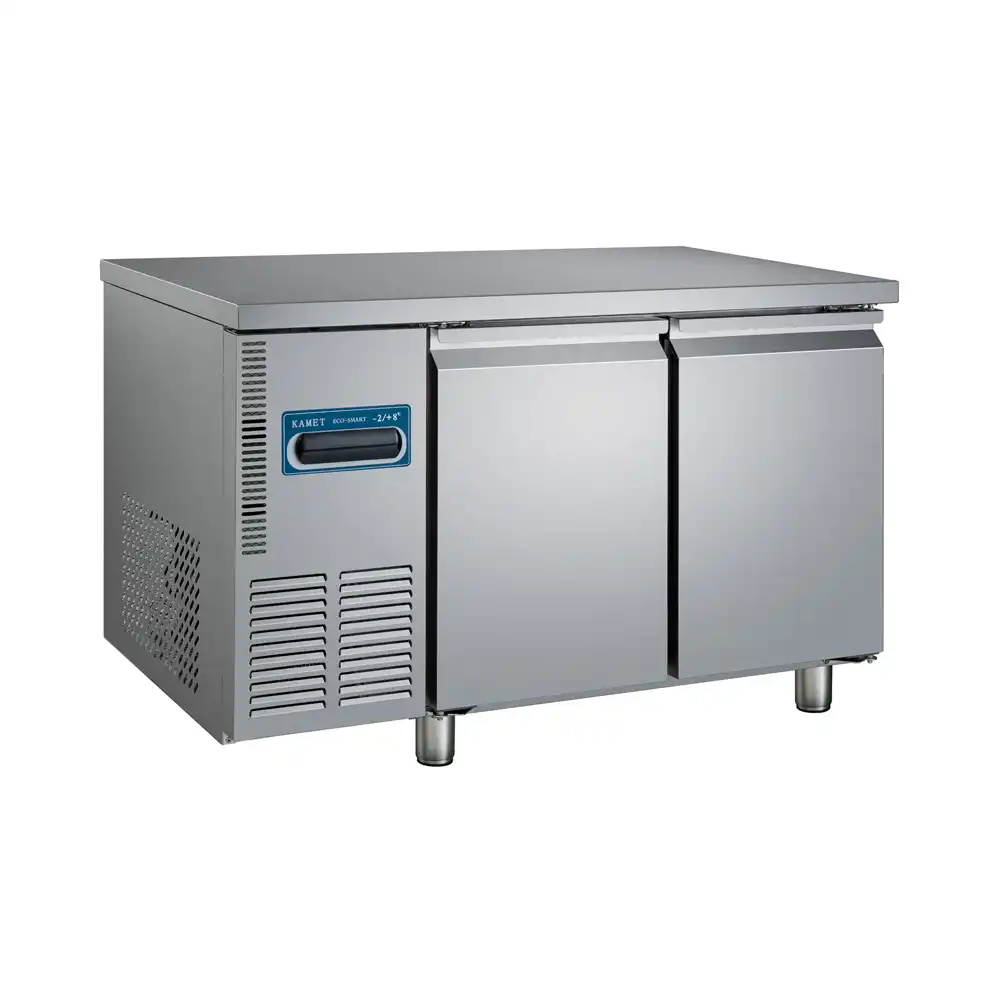
A well-organized kitchen starts with understanding where cold storage belongs. Compact refrigeration units open up possibilities that bulky reach-ins simply cannot match. Undercounter models slide beneath existing prep surfaces, freeing floor space for staff movement. Worktop refrigerators pull double duty, combining storage with a usable stainless steel surface that eliminates the need for separate prep tables.
This kind of integration changes traffic patterns. Cooks no longer cross the kitchen repeatedly to grab ingredients from a distant walk-in. Instead, everything they need sits within a few steps of their station. The result is fewer collisions, less wasted motion, and a calmer environment during peak hours.
Back bar coolers follow the same logic for beverage service. They tuck into bar setups without claiming additional floor space, keeping drinks cold and bartenders efficient. These placement strategies matter most in urban restaurants where rent prices make every square foot expensive.
How Compact Refrigerators Fit Where Traditional Units Cannot
Compact refrigerators earn their value through versatile design. An undercounter refrigerator fits beneath a countertop that would otherwise serve no purpose beyond holding cutting boards. A worktop refrigerator like the Camay Commercial Worktop Refrigerator Cooler Fridge (Model MWTF-27-L) combines a 27-inch refrigerated base with a durable work surface on top. One piece of equipment does what two separate items would require.
Back bar coolers integrate directly into service areas, storing bottles and garnishes without eating into the limited space behind the bar. These configurations eliminate the awkward dance of working around oversized equipment. For kitchens struggling with layout constraints, compact refrigeration units represent a practical path toward better organization.
Faster Prep Starts with Ingredients at Arm’s Reach
Speed in a commercial kitchen depends on reducing unnecessary movement. When a line cook needs diced tomatoes, reaching into a nearby undercounter unit takes seconds. Walking across the kitchen to a reach-in cooler takes longer and interrupts the rhythm of service.
Strategic refrigeration placement puts ingredients exactly where prep happens. This localized storage approach pays off most during high-volume periods when every second counts. Chefs assemble dishes faster, tickets clear more quickly, and the kitchen maintains its pace without bottlenecks.
The efficiency gains compound over a full shift. A few seconds saved per dish adds up to significant time across hundreds of plates. Staff fatigue decreases when workers spend less energy walking back and forth. The kitchen operates more smoothly because the layout supports the work rather than fighting against it.
Undercounter Refrigeration Keeps Ingredients Where Chefs Need Them
Undercounter refrigeration places cold storage directly at workstations. A unit like the Camay Commercial Solid Door Undercounter (Model MTR-72) provides accessible storage without requiring cooks to leave their stations. This proximity streamlines prep and reduces the physical effort of retrieving items throughout a shift.
Beyond convenience, this setup protects ingredient quality. Items pulled from nearby refrigeration spend less time at ambient temperatures than those carried across a warm kitchen. For temperature-sensitive ingredients like dairy or raw proteins, shorter exposure to heat means better food safety and longer usable life.
Temperature Control That Protects Both Food and Reputation
Consistent refrigeration temperatures prevent bacterial growth and extend ingredient shelf life. This is not optional in commercial food service—it is the foundation of safe operation. Compact refrigeration units maintain precise temperature ranges, typically between 0.5°C and 5°C, that keep perishables in the safe zone.
Modern units include digital temperature systems that display real-time readings and alert staff to fluctuations. Some models offer IoT and WiFi capabilities for remote monitoring, allowing managers to check temperatures from anywhere. These features catch problems before they become health code violations or spoiled inventory.
Certifications like ETL and NSF indicate that equipment meets established safety and sanitation standards. These credentials matter when health inspectors visit and when building trust with customers who expect their food to be handled properly.
Compact Fridges Reduce Spoilage Through Dedicated Temperature Zones
Compact fridges improve food safety in small kitchens through precise temperature management and organized storage. Dedicated zones within a single unit allow separation of different ingredient types, reducing cross-contamination risks that increase when everything shares the same space.
Frequently used items stored in compact refrigeration units spend less time exposed to warmer kitchen air. This reduced exposure extends shelf life and cuts waste. For small operations where inventory costs represent a significant expense, lower spoilage rates translate directly to better margins.
Energy Costs Drop When Equipment Matches Actual Needs
Compact refrigeration units consume less energy than their larger counterparts, which makes sense given their smaller cooling volumes. But the savings go beyond simple size differences. Modern units use R290 refrigerant and polyurethane/cyclopentane foamed insulation, technologies that improve efficiency without sacrificing performance.
The operational benefits extend to labor costs as well. Better workflow means staff accomplish more in less time. Reduced spoilage means fewer ingredients go to waste. These factors combine to improve the return on investment for compact refrigeration equipment.
| Feature | Compact Undercounter (e.g., Camay MTR-48) | Traditional Reach-In (e.g., Camay MR-49) |
|---|---|---|
| Capacity | 368 L / 13.00 Cuft | 1252 L / 44.21 Cuft |
| Amps (A) | 1.7 | 3 |
| Voltage (V/Hz) | 115/60 | 115/60 |
| Power (W) | Not specified (lower) | 345 |
| Refrigerant | R290 | R290 |
| Insulation | Polyurethane/Cyclopentane | Polyurethane/Cyclopentane |
This comparison shows how compact units offer proportional energy savings. A Under Counter unit like the Camay MTR-48 draws less power while serving targeted applications effectively. For kitchens that need multiple refrigeration points rather than one large unit, this approach to energy efficient refrigeration makes financial sense.
Matching Equipment to Menu and Workflow
The right compact refrigerator depends on what your kitchen actually does. A pizza operation needs different storage than a salad-focused concept. A high-volume line requires faster access than a small-batch prep kitchen.
For prep stations handling diverse ingredients, Work Top or undercounter models provide the flexibility to store multiple item types within reach. Pizza kitchens benefit from dedicated Pizza Table units designed specifically for dough, toppings, and cheese storage at optimal temperatures.
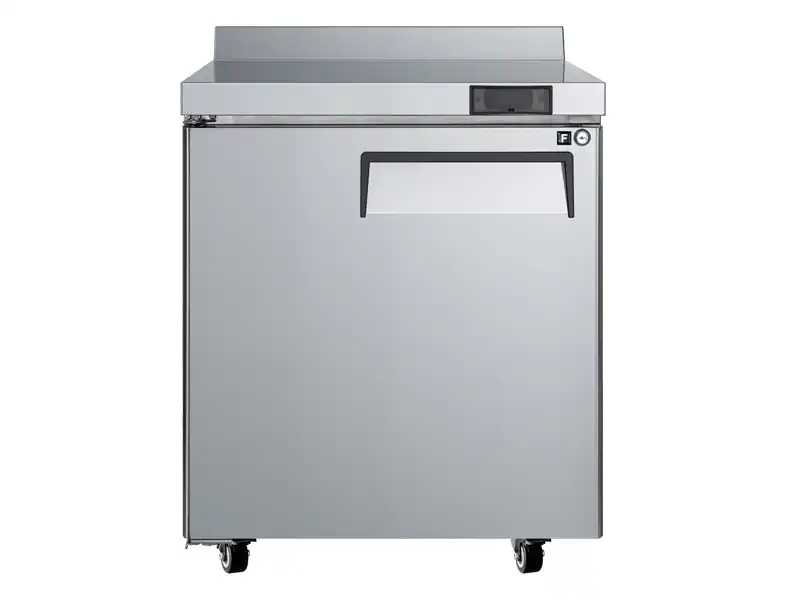
The Camay 60″ Countertop Refrigerated Chef Base (Model MAR-60A) combines a sturdy integrated worktop with precise temperature control, making it suitable for busy prep stations where both surface space and cold storage matter equally. The Camay Commercial Worktop Refrigerator Cooler Fridge (Model MWTF-27-L) serves tight spaces where combining functions into a single footprint is the only practical option.
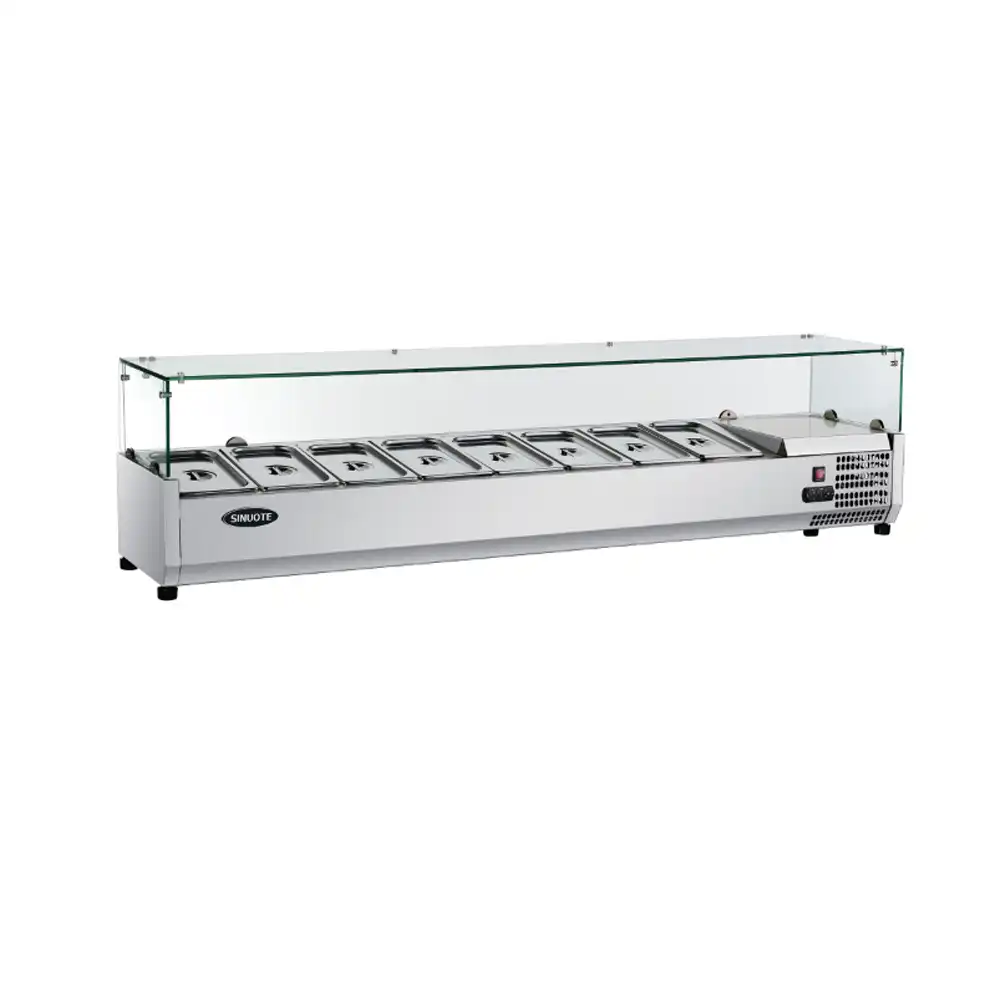
Salad bars and cold prep areas benefit from specialized configurations like the MSR-48M Semi Mega Salad Table, which keeps ingredients visible and accessible while maintaining proper temperatures. These purpose-built solutions outperform general-purpose equipment for their intended applications.
Smart Features and Sustainable Design Shape New Equipment
Commercial refrigeration continues to evolve toward smarter operation and lower environmental impact. IoT and WiFi connectivity allow remote temperature monitoring, which means managers can verify conditions without being physically present. Alerts notify staff immediately when temperatures drift outside acceptable ranges.
R290 refrigerant and improved insulation materials reduce both energy consumption and environmental footprint. These changes reflect broader industry movement toward sustainable equipment that performs well while using fewer resources.
For kitchens planning equipment purchases, these trends suggest that today’s compact refrigeration units will remain relevant as regulations tighten and energy costs rise. Investing in current technology provides both immediate operational benefits and longer-term value.
Work with ZHEJIANG KAIMEI CATERING EQUIPMENT CO., LTD
ZHEJIANG KAIMEI CATERING EQUIPMENT CO., LTD provides professional refrigeration solutions designed for commercial kitchen demands. Our range includes compact refrigeration units configured for various applications, from undercounter storage to specialized prep stations. Contact us at +8618157202219 or Sales@hzcamay.com to discuss how our equipment can improve your kitchen’s efficiency and workflow.
Frequently Asked Questions About Restaurant Compact Refrigeration
What types of compact refrigerators work best for small restaurant kitchens?
Undercounter refrigerators, worktop refrigerators, and compact reach-in coolers deliver the most value in space-constrained kitchens. They maximize limited floor area while keeping ingredients accessible for prep and service. The Camay MTR-48 and MWTF-27-L models represent this approach well, combining practical storage with footprints that fit tight layouts.
How do compact refrigeration units affect energy costs?
Modern compact refrigeration units use advanced insulation and efficient compressors that consume less power than older or oversized equipment. Their smaller cooling volumes require less energy to maintain temperature. Strategic placement also reduces staff walking distances, which contributes to overall operational efficiency. Units featuring R290 refrigerant and polyurethane/cyclopentane insulation perform particularly well on energy metrics.
Can compact refrigerators be customized for specific kitchen requirements?
Customization options include varying door configurations, drawer systems, and specialized temperature zones. ZHEJIANG KAIMEI offers OEM/ODM services that allow equipment to match specific workflow patterns and menu requirements. This flexibility ensures that compact refrigeration units integrate properly with existing kitchen operations rather than forcing awkward compromises.