

Getting kitchen workflow right means watching how cooks actually move through a space. The difference between a layout that works and one that fights you shows up in small moments—reaching for ingredients that aren’t there, walking extra steps that add up over a shift, or finding that the prep station sits too far from cold storage. These details shape whether a kitchen runs smoothly or burns through staff energy on unnecessary motion.
Workflow Zones Shape Everything That Follows
Effective kitchen design starts with defining distinct workflow zones. These zones streamline operations, preventing bottlenecks and improving overall kitchen efficiency. The traditional “golden triangle” connecting prep, cook, and wash has evolved for commercial settings. Modern kitchens require more specialized food preparation zones, cooking line setup, and optimized traffic flow. This ensures ingredients move logically from storage to plate.
The receiving and storage zone handles deliveries and initial organization. From there, the preparation zone takes over—washing, cutting, portioning. The cooking line transforms those prepped ingredients into finished dishes. Service and dishwashing areas complete the cycle. Implementing ergonomic design principles within each zone reduces strain and increases speed for staff. Understanding these zones is fundamental to a high-performing kitchen.
Worktop Layouts That Actually Support Production
Designing optimal worktop layouts maximizes productivity and minimizes unnecessary movement. Workstation ergonomics matter more than most operators realize until they watch tired cooks at the end of a double shift. Prep station design should consider the specific tasks performed, providing adequate space and easy access to tools and ingredients. Space utilization becomes critical, especially in smaller kitchens. Modular kitchen systems offer flexibility, allowing adjustments as needs change.
For small kitchen optimization, multi-functional worktops and vertical storage solutions prove essential. Large kitchen workflow benefits from dedicated stations and clear pathways. The goal is reducing steps and improving flow. Durable, easy-to-clean materials for worktops make sense—stainless steel withstands rigorous commercial use and maintains hygiene standards.
| Feature | Stainless Steel Worktops | Wood Worktops (Sealed) |
|---|---|---|
| Durability | Excellent; resistant to heat, corrosion, and impact | Good; prone to scratches and water damage |
| Hygiene | Non-porous, easy to sanitize, meets food safety standards | Requires meticulous sealing; can harbor bacteria |
| Maintenance | Low; simple cleaning | High; regular oiling and sealing required |
| Cost | Moderate to high | Moderate |
| Application | High-volume prep, cooking lines | Light prep, pastry, display |
Placing Refrigeration Where It Actually Gets Used
Integrating refrigeration equipment strategically proves critical for seamless workflow and food safety standards. Proper placement reduces steps and supports efficient ingredient management. A Work Top refrigerator like the Camay Commercial Worktop Refrigerator Cooler Fridge (Model MWTF-27-L) can serve as both a prep surface and cold storage. This eliminates the need for staff to walk to a separate unit for ingredients.
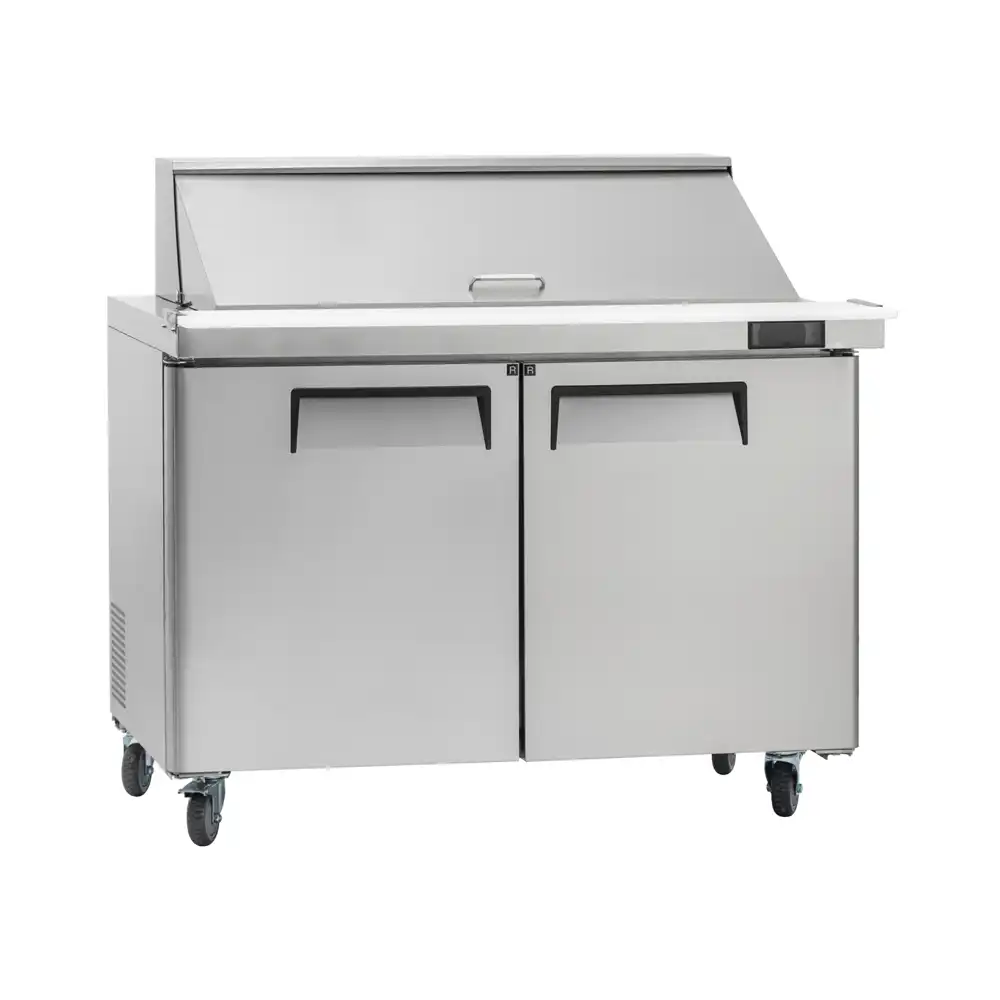
Placing undercounter refrigeration units directly beneath prep areas keeps frequently used ingredients at optimal temperatures (0.5°C to 5°C). The Camay MTR-48 2-Door Commercial Undercounter Refrigerator fits this application well. For high-volume operations, blast chiller integration near cooking stations rapidly cools hot foods, preventing bacterial growth. Display fridge positioning in service areas ensures easy access for staff and attractive presentation for customers. Refrigeration equipment layout should prioritize accessibility and compliance with food safety standards.
For further insights into optimizing your kitchen, consider reading 《Optimizing Kitchen Efficiency with Integrated Worktop Refrigeration》.
Equipment Placement Beyond the Work Surface
Streamlining operations involves careful equipment placement beyond just worktops. This holistic approach prevents bottlenecks and improves overall operational flow. Cooking line efficiency depends on the logical arrangement of ranges, ovens, and fryers. They should be positioned to allow smooth movement from prep to cooking.
Dishwashing area design requires a clear path for dirty dishes entering and clean dishes exiting. This minimizes cross-contamination and maximizes throughput. Adequate storage solutions, including shelving and pantry space, keep ingredients organized and accessible. Waste management systems should be conveniently located to reduce trips and maintain cleanliness. Pass-through windows between cooking and service areas can also enhance efficiency. Each piece of equipment, from a Chef Base to an Ice Maker, must contribute to a cohesive system.
Strategies That Push Efficiency Further
Advanced strategies for commercial kitchen efficiency extend beyond basic layout principles. Preventing cross-contamination remains paramount, requiring designated zones and equipment for raw and cooked foods. Staff movement patterns should be analyzed to identify and eliminate unnecessary travel. This reduces fatigue and increases productivity.
Technology plays an increasing role in enhancing kitchen efficiency. Inventory management integration with digital systems streamlines ordering and reduces waste. Energy efficiency in kitchens improves through modern, insulated equipment and smart energy management. Sustainable kitchen practices, such as waste reduction and water conservation, contribute to long-term operational success. Regular kitchen efficiency audits help identify areas for continuous improvement.
Building Flexibility Into the Layout
Future-proofing your kitchen involves designing flexible layouts that can adapt to evolving needs. Restaurant kitchen layout and catering equipment arrangement must accommodate menu changes and volume increases. Scalable kitchen solutions allow for easy expansion or modification without major overhauls. This matters for businesses anticipating growth or seasonal fluctuations.
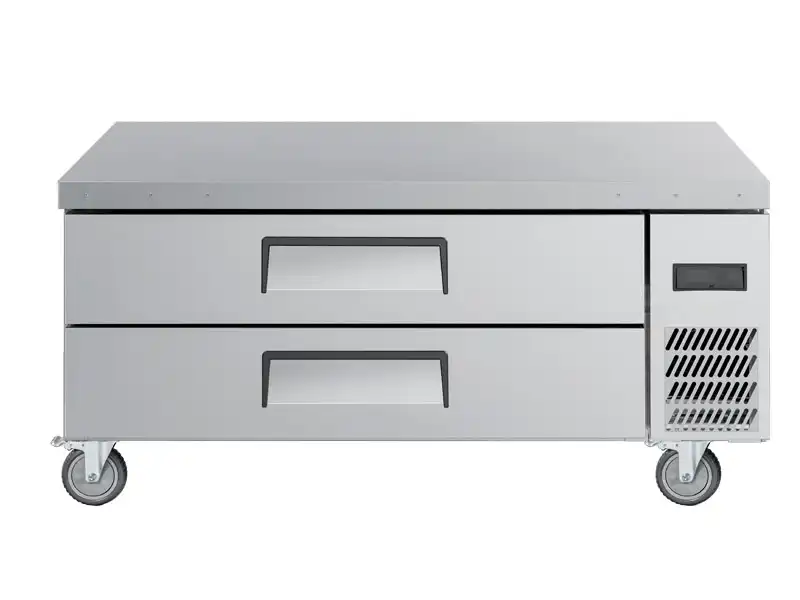
Investing in modular equipment, like undercounter units with optional casters, provides flexibility. These units can be reconfigured as operational demands shift. Considering future kitchen trends, such as increased demand for grab-and-go options or specialized dietary preparations, ensures longevity. Designs that prioritize adaptability allow operations to evolve without starting over.
Enhance Your Kitchen’s Operational Excellence
ZHEJIANG KAIMEI CATERING EQUIPMENT CO., LTD offers a comprehensive range of professional refrigeration equipment engineered for efficiency, reliability, and seamless integration into any optimal kitchen workflow. Contact us today at +8618157202219 or Sales@hzcamay.com for a consultation tailored to your specific needs.
Frequently Asked Questions About Kitchen Workflow Optimization
How does worktop layout impact kitchen productivity?
An efficient worktop layout boosts kitchen productivity by minimizing staff movement and reducing bottlenecks. When ingredients and tools are within easy reach, staff spend less time searching and walking. This direct access enhances efficiency, allowing for faster preparation and cooking times. Proper worktop design directly translates to increased output and smoother operations.
What are the key principles for designing an efficient commercial kitchen workflow?
Key principles include clear zoning, ergonomic design, and strategic equipment placement. Zoning separates distinct tasks like prep, cooking, and washing. Ergonomics ensure comfortable and safe working conditions. Careful equipment placement, including refrigeration equipment integration, optimizes movement and reduces wasted effort.
How can refrigeration equipment be integrated into an optimal kitchen layout?
Refrigeration equipment integrates best when placed close to its point of use. Worktop refrigerators near prep stations or undercounter units along cooking lines minimize travel distances for ingredients. This approach enhances food safety by maintaining the cold chain and improves overall ingredient management. ZHEJIANG KAIMEI offers solutions designed for this kind of seamless integration.
What are common mistakes to avoid when optimizing kitchen worktops?
Common mistakes include creating cluttered worktops, inadequate lighting, and insufficient storage. Overcrowding work surfaces reduces usable space and hinders efficiency. Poor lighting strains staff and increases error rates. Lack of proper storage leads to disorganization and wasted time searching for items. Avoiding these issues ensures a more functional and productive kitchen environment.
Can small commercial kitchens achieve high workflow efficiency?
Small commercial kitchens can achieve high workflow efficiency through smart design and multi-functional equipment. Utilizing vertical space, incorporating compact and versatile appliances, and designing flexible layouts all help. Solutions like Under Counter refrigerators and Chef Base units provide both storage and work surfaces, maximizing limited space effectively.