

Commercial kitchens run on tight margins and tighter timelines. When a batch of soup comes off the stove at 85°C and needs to hit the walk-in before the dinner rush, the difference between a 90-minute cooldown and a 4-hour crawl isn’t just about convenience. It’s about whether that soup stays safe to serve. Blast chiller efficiency determines how quickly you can move product through the danger zone, how much prep you can do in advance, and ultimately, how much food ends up in the trash versus on the plate.
Why Rapid Cooling Defines Food Safety in High-Volume Kitchens
Bacterial growth doesn’t wait for convenient timing. Between 5°C (41°F) and 60°C (140°F), pathogens multiply rapidly, and the longer food lingers in this range, the greater the contamination risk. HACCP compliance sets clear boundaries: food must pass through the danger zone within two hours and reach 5°C (41°F) or below within four hours total. These aren’t arbitrary numbers. They reflect the biological reality of how quickly harmful bacteria can reach dangerous levels.
| Temperature Range | Max Time in Zone | Risk Level |
|---|---|---|
| 5°C – 60°C | 4 Hours | High |
| 20°C – 50°C | 2 Hours | Very High |
The middle of that range, roughly 20°C to 50°C, presents the highest risk. This is where bacteria thrive most aggressively. A conventional refrigerator simply can’t extract heat fast enough to navigate this window safely when dealing with large volumes of hot food. The math doesn’t work. You end up with product sitting at dangerous temperatures for hours, creating liability and waste simultaneously.
How Blast Chiller Technology Transforms Temperature Management
A blast chiller operates on fundamentally different principles than standard refrigeration. Where a walk-in cooler might take 8 to 12 hours to bring a hotel pan of stew from cooking temperature to safe storage levels, a properly sized blast chiller accomplishes the same task in 90 minutes or less. The mechanism involves high-velocity air circulation combined with powerful refrigeration capacity, creating rapid heat extraction that conventional units cannot match.
The speed matters for more than just food safety. When food cools slowly, large ice crystals form within the cellular structure, rupturing cell walls and degrading texture. This is why slowly frozen meat releases excessive moisture when thawed, turning firm protein into something mushy. Rapid cooling prevents this crystallization damage, preserving the quality characteristics that customers expect. A chicken breast blast-chilled properly will retain its texture and moisture content far better than one cooled gradually.
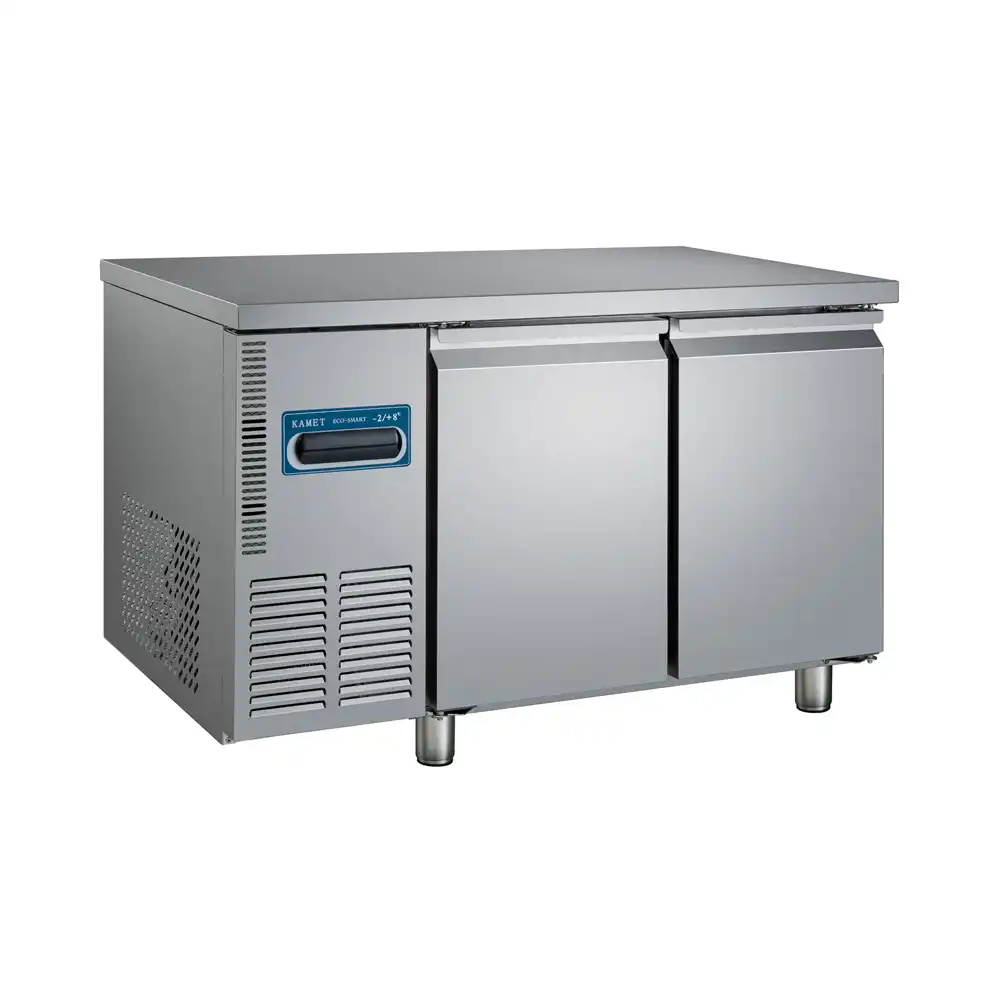
This technology has become standard in operations where perishable food storage volumes demand consistent results. The combination of food preservation benefits and kitchen workflow improvements makes blast chiller efficiency a core operational consideration rather than a luxury upgrade.
Operational Returns: Productivity Gains and Waste Reduction
The financial case for blast chillers extends well beyond food safety compliance. Batch cooking becomes practical when you can safely cool large quantities of prepared food for later service. A kitchen that previously had to cook proteins to order can now prep entire service quantities during slower periods, reducing labor costs during peak hours when wages often carry premium rates.
Food waste represents one of the largest controllable costs in food service operations. Product that spoils before use delivers zero revenue while consuming ingredient costs, labor, and storage space. By extending shelf life through proper rapid cooling, blast chillers directly reduce spoilage losses. The impact compounds over time. A 15% reduction in waste on high-cost proteins translates to meaningful margin improvement across a fiscal year.
Menu flexibility expands when chefs can prepare components in advance without quality degradation. Sauces, stocks, and prepared proteins can be batch-produced during optimal staffing windows, then held safely for service across multiple days. This capability supports more complex menus without proportional increases in labor requirements.
For more insights into optimizing your kitchen’s efficiency, explore our guide on 《Boost Kitchen Efficiency Workflow Optimization with Chef Base Fridges》.
Implementation Practices That Maximize Blast Chiller Performance
Proper implementation determines whether a blast chiller delivers its rated performance or underperforms due to operational errors. Placement matters significantly. These units generate substantial heat during operation, and positioning them near ovens or in poorly ventilated spaces forces the refrigeration system to work harder, reducing efficiency and accelerating component wear.
Loading technique directly affects cooling speed. Food should be placed in shallow pans, ideally no more than 50mm deep, with adequate spacing between containers for air circulation. Overloading or stacking pans too closely restricts airflow, creating hot spots where food cools unevenly and potentially remains in the danger zone longer than intended.
Core temperature probes provide the only reliable method for verifying that food has actually reached target temperatures. Surface readings can be misleading, particularly with dense items like roasts or large batches of rice. Proper probe placement, inserted into the thermal center of the product, ensures accurate monitoring and documentation for HACCP compliance.
Maintenance requirements include regular condenser coil cleaning, door seal inspection, and periodic calibration checks. Neglected condensers accumulate dust and grease, reducing heat exchange efficiency and increasing energy consumption. A quarterly cleaning schedule prevents most performance degradation issues.
Staff training often determines whether expensive equipment delivers its potential value. Operators need to understand not just which buttons to press, but why proper loading matters and how to recognize when the unit isn’t performing correctly. This knowledge prevents the small errors that accumulate into significant food safety risks or equipment damage.
Selecting the Right Blast Chiller for Your Operation’s Scale
Capacity requirements vary dramatically across different operation types. A café producing 30 covers per service has fundamentally different needs than a hotel banquet kitchen preparing 500-plate events. Undersizing creates bottlenecks during peak production periods, while oversizing wastes capital and floor space.
Gastronorm pan capacity provides the most practical sizing metric. A small café might function adequately with a 3 to 5 pan unit, while a high-volume restaurant kitchen typically requires 7 to 10 pan capacity. Large institutional operations, such as hotels or central production facilities, often need 15 or more pan positions to handle batch volumes efficiently.
| Feature | Small Kitchen (e.g., Cafe) | Medium Kitchen (e.g., Restaurant) | Large Kitchen (e.g., Hotel) |
|---|---|---|---|
| Capacity | 3-5 GN 1/1 pans | 7-10 GN 1/1 pans | 15+ GN 1/1 pans |
| Cooling Cycles | Basic Chill | Chill, Freeze | Chill, Freeze, Thaw |
| Energy Efficiency | Good | Very Good | Excellent |
| Controls | Manual/Digital | Digital, Programmable | Advanced, IoT Integration |
| Certifications | ETL, CE | ETL, CE, NSF | ETL, CE, NSF, Energy Star |
Cooling cycle options matter for operational flexibility. Basic chill cycles handle most daily production needs, but freeze capability allows for longer-term storage of prepared items. Some units include thaw cycles, which can be valuable for operations that need controlled defrosting of frozen products.
Energy efficiency in kitchens deserves careful evaluation. The purchase price represents only a fraction of total ownership cost. A unit with superior insulation and efficient refrigerant systems, such as those using R290, will consume less electricity over its service life. For operations running multiple cooling cycles daily, these efficiency differences compound into substantial cost variations.
Certifications indicate compliance with safety and performance standards. ETL and CE marks confirm electrical safety compliance for North American and European markets respectively. NSF certification addresses sanitation standards relevant to food contact equipment. Energy Star ratings identify units meeting enhanced efficiency criteria.
For further guidance on selecting the best refrigeration equipment, consider reading 《Choosing the Best Commercial Reach In Fridge for Your Restaurant》.
Frequently Asked Questions
What are the benefits of rapid chilling?
Rapid chilling delivers food safety improvements by minimizing time in the bacterial danger zone, which directly reduces contamination risk. Quality preservation follows from preventing the cellular damage that occurs during slow cooling. Extended shelf life reduces spoilage rates, cutting waste costs that otherwise erode margins. Operationally, rapid chilling enables batch cooking strategies that improve labor efficiency and support more flexible menu planning. These combined benefits make blast chiller efficiency a significant factor in restaurant profitability.
What is the ideal temperature range for blast chilling various foods?
Standard blast chilling protocols target cooling hot food from +70°C (+158°F) to +3°C (+37°F) or below within 90 minutes. For blast freezing applications, the target is typically +70°C (+158°F) to -18°C (0°F) within 240 minutes. These timeframes ensure food passes through the critical temperature zones quickly enough to prevent bacterial proliferation while maintaining product quality. Dense items like large roasts may require slightly longer cycles, which is why core temperature probe monitoring provides the definitive safety verification.
How does a blast chiller compare to conventional refrigeration for food preservation?
Conventional refrigeration lacks the airflow velocity and cooling capacity to rapidly extract heat from hot food. A standard walk-in cooler might take 8 to 12 hours to cool a hotel pan of hot product, leaving it in the danger zone far longer than food safety standards permit. Blast chillers accomplish the same cooling in 90 minutes or less. Beyond safety, the rapid cooling prevents large ice crystal formation that damages food texture. Proteins retain moisture better, vegetables maintain crispness, and prepared sauces hold their intended consistency. The difference in cold chain management quality is substantial enough that many operations consider blast chillers essential catering equipment solutions rather than optional upgrades.
What are the key considerations when choosing a blast chiller for a commercial kitchen?
Start with capacity assessment based on your peak production volumes, measured in gastronorm pan positions. Evaluate cooling power specifications to ensure the unit can achieve required temperature drops within standard timeframes. Energy efficiency ratings affect long-term operating costs significantly. Physical footprint must accommodate your available floor space while allowing adequate clearance for airflow and maintenance access. Advanced features like programmable cycles and data logging support both operational flexibility and compliance documentation. Certification marks confirm the unit meets relevant safety and sanitation standards for your market. After-sales support availability matters because downtime during equipment failures creates immediate food safety and operational challenges.
Partner with ZHEJIANG KAIMEI CATERING EQUIPMENT CO., LTD.
Improve your kitchen’s efficiency and food safety standards with ZHEJIANG KAIMEI CATERING EQUIPMENT CO., LTD. As a professional one-stop-shop refrigeration equipment manufacturer, we offer advanced Blast Chiller solutions designed to meet the rigorous demands of modern commercial kitchens. Contact us today at Phone: +8618157202219 or Email: Sales@hzcamay.com for a personalized consultation and discover how our expertise can transform your operations.