
Getting ice right in a commercial setting is one of those details that separates smooth operations from constant bottlenecks. When the ice supply falters during a lunch rush or a busy evening service, everything downstream slows down—drink orders stack up, staff get frustrated, and customers notice. The reverse is also true: a well-planned ice system becomes invisible in the best way, quietly supporting every beverage that leaves the bar or counter. This piece walks through the practical decisions around ice maker combinations, from matching machine capacity to actual demand, through filtration and sanitation, to the energy math that determines whether your equipment pays for itself over time.
Matching Ice Maker Capacity to Real Demand
Choosing an ice maker based on guesswork almost always leads to problems. Undersized machines run constantly, wear out faster, and still leave you short during peak hours. Oversized machines waste energy cycling on and off while producing ice nobody needs. The sweet spot requires calculating actual peak demand, factoring in ambient kitchen temperatures, and building in a reasonable buffer.
Different ice types serve different purposes, and understanding this shapes which machines belong in your operation. Flake ice cools rapidly and conforms to surfaces, making it ideal for blended drinks and food displays where quick temperature transfer matters. Cube ice melts slowly and maintains drink integrity, which is why it dominates in cocktails and sodas. Nugget ice sits between these extremes—soft enough to chew, porous enough to absorb flavors, and popular in fast-food and healthcare environments.
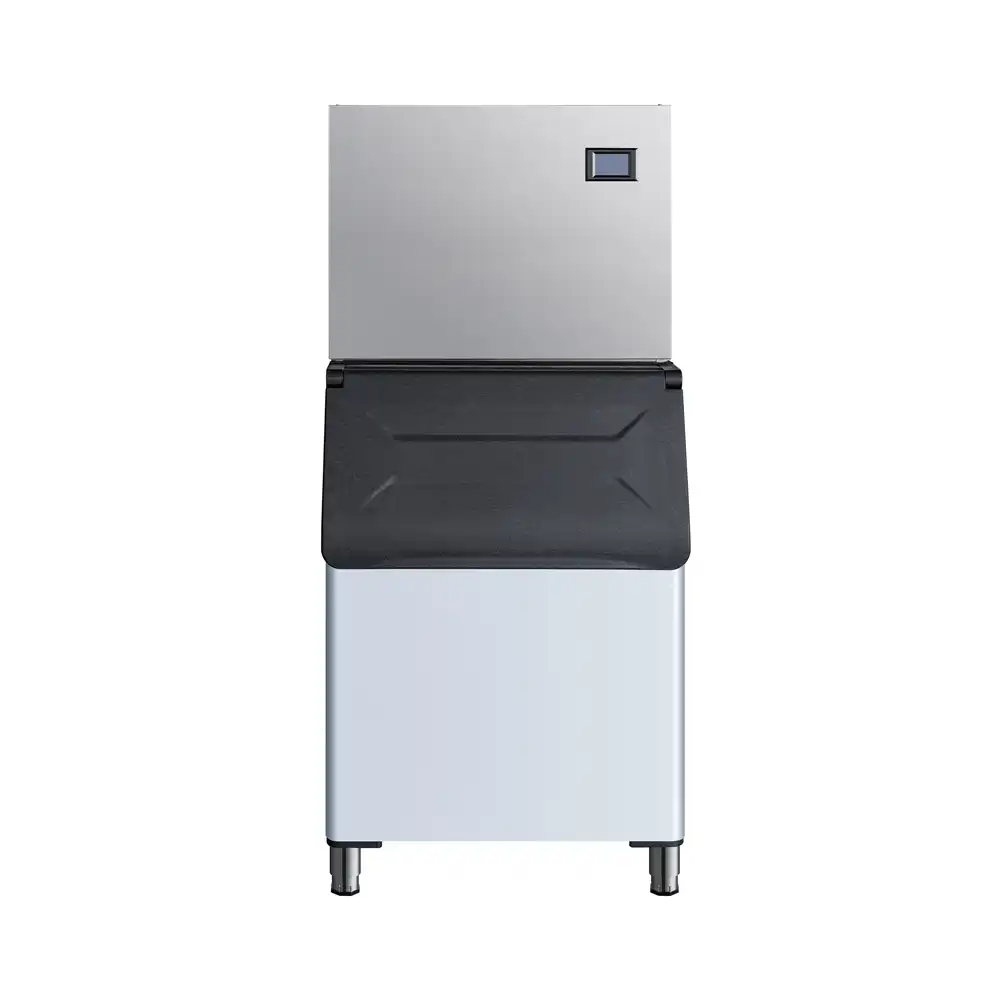
A practical approach often involves pairing machines rather than relying on a single unit. A high-volume cube ice machine like the Cube Ice Making Machine (Model FB210A), producing 100 kg over 24 hours, can handle the bulk of beverage service while a smaller flake ice unit covers specialized needs. This combination prevents any single machine from being overworked and provides flexibility when demand patterns shift.
Ice Type vs. Application Guide
| Ice Type | Characteristics | Ideal Applications |
|---|---|---|
| Cube Ice | Slow-melting, clear | Cocktails, sodas, iced coffee |
| Flake Ice | Soft, fast-cooling | Blended drinks, food displays, medical use |
| Nugget Ice | Soft, chewable, porous | Soft drinks, healthcare, chewable ice preference |
A detailed capacity calculation and sizing decision tree helps align equipment with operational requirements. This process prevents shortages during busy periods while avoiding the energy waste that comes from oversized systems running below capacity. The upfront investment in proper sizing pays dividends through reduced energy bills and fewer emergency service calls.
Beverage Stations That Minimize Movement and Maximize Speed
Integrating ice makers into comprehensive beverage stations changes how staff move through their shifts. When ice production, storage, and dispensing happen within arm’s reach of drink preparation, the cumulative time savings add up quickly. Industry observations suggest integrated beverage stations can reduce staff movement by roughly 25% and improve service speed by nearly 18%—numbers that matter when every second counts during peak service.
Modular ice systems and ice dispenser solutions form the backbone of these stations. Rather than maintaining separate ice bins that require manual scooping and transport, integrated units create a seamless flow from production to preparation. This approach reduces manual handling, which simultaneously lowers contamination risks and frees staff to focus on customer interaction rather than logistics.
Consider how placement decisions affect daily operations. An ice maker connected directly to a beverage dispenser eliminates transfer steps entirely. An under-counter:Under Counter ice maker positioned beneath a bar or service counter keeps ice within reach without consuming valuable counter space. These strategic placements reduce the distance staff must travel, translating directly into faster customer service.
Customization matters because no two kitchens share identical layouts or service models. A bar might benefit most from a compact under-counter ice maker combined with a glass rinser and soda gun, creating a self-contained workstation. A high-volume restaurant might need multiple satellite dispensers fed by a central production unit. The goal remains consistent: minimize unnecessary movement while maintaining easy access to ice when and where it’s needed.
Water Quality and Sanitation Determine Ice Quality
The water going into an ice maker determines the quality of ice coming out. Poor water quality does more than affect taste—it accelerates wear on internal components through scale buildup and corrosion. Machines running on hard or contaminated water require more frequent maintenance and typically fail earlier than those protected by proper filtration.
Multi-stage filtration systems address different contaminants at each stage. Sediment filters catch particles that would otherwise clog lines and damage components. Carbon filters remove chlorine and organic compounds that affect taste and odor. Scale inhibitors prevent mineral deposits from forming on evaporator plates and other critical surfaces. The combination of these elements produces clearer, better-tasting ice while extending machine lifespan.
Food safety regulations require strict adherence to cleaning protocols for ice-contact surfaces. Ice machines need routine cleaning and sanitization to prevent bacterial growth in areas where moisture and organic matter can accumulate. Scheduled deep cleaning and inspections of all ice-contact surfaces should be part of any preventative maintenance program. This proactive approach keeps equipment running efficiently while ensuring compliance with health standards.
Water Filter Types Comparison
| Filter Type | Primary Function | Benefits | Drawbacks |
|---|---|---|---|
| Sediment Filter | Removes suspended particles | Prevents clogging, improves clarity | Does not remove chemicals or odors |
| Carbon Filter | Removes chlorine, odors | Enhances taste, protects components | Does not remove sediment or hard minerals |
| Scale Inhibitor | Prevents mineral buildup | Extends machine lifespan, reduces maintenance | Does not filter other impurities |
| Reverse Osmosis | Removes most impurities | Superior ice quality, very pure water | Slower production, water waste, higher cost |
Selecting the right filtration system depends on local water conditions and the specific ice quality requirements of your operation. A water quality test provides the baseline information needed to make informed decisions about filtration investments.
Energy Efficiency Shapes Long-Term Operating Costs
Energy consumption represents a significant portion of the total cost of owning and operating ice makers. Energy-efficient models can reduce operational costs by up to 30% over their lifespan compared to standard equipment. This difference compounds over years of operation, making efficiency a critical factor in equipment selection.
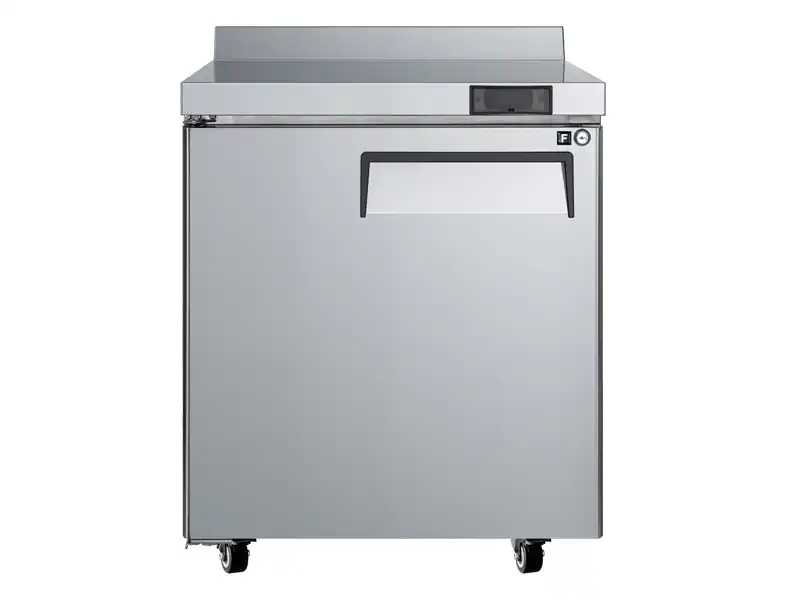
Models with high Energy Star ratings incorporate design features that minimize energy waste. Advanced insulation properties, such as polyurethane/cyclopentane CFC-free insulation found in equipment like the Camay Commercial Worktop Refrigerator Cooler Fridge, maintain optimal temperatures with less energy input. Better insulation means compressors run less frequently, reducing both energy consumption and mechanical wear.
Intelligent features add another layer of efficiency. Smart digital temperature control systems maintain precise conditions without the temperature swings that waste energy. Optional IoT and WiFi functions enable remote monitoring, allowing operators to identify problems before they escalate and adjust settings based on actual usage patterns. These capabilities support proactive maintenance while preventing the energy waste that comes from equipment running outside optimal parameters.
When evaluating ice machine ROI, energy savings deserve as much attention as purchase price. A less expensive machine with poor efficiency often costs more over its operational life than a premium model designed for minimal energy consumption. Various financing options can make these investments more accessible, spreading the cost of efficient equipment over time.
How Ice Type Affects Both Drink Quality and Service Speed
The ice in a drink does more than provide cooling—it affects dilution rate, texture, and presentation. Clear, slow-melting cube ice preserves the flavor profile of premium spirits and cocktails by diluting gradually. Nugget ice chills drinks quickly and absorbs flavors, making it popular for soft drinks and casual beverages where rapid cooling matters more than slow dilution. Flake ice ensures smooth consistency in blended drinks, distributing evenly through the mixture.
Service speed depends on how easily staff can access and dispense ice. High-capacity storage bins ensure a constant supply during busy periods, eliminating the service interruptions that occur when bins run empty. Integrated ice dispensers allow quick, sanitary dispensing without manual scooping, speeding up service while reducing contamination risks. The combination of appropriate ice type and efficient dispensing directly influences both customer satisfaction and operational throughput.
Ice Type vs. Beverage Suitability
| Ice Type | Beverage Suitability | Impact on Quality & Speed |
|---|---|---|
| Cube Ice | Cocktails, spirits, sodas | Slow dilution, maintains flavor; requires manual scooping or dispensing |
| Flake Ice | Blended drinks, smoothies, food displays | Fast chilling, smooth texture; ideal for high-volume blended drinks |
| Nugget Ice | Soft drinks, iced tea, healthcare | Fast chilling, chewable; easily dispensed, popular for speed |
| Gourmet Ice | Premium cocktails, fine dining | Crystal clear, slow melt, elegant presentation; slower production |
Selecting Ice Maker Combinations for High-Volume Operations
High-volume operations face unique challenges that require careful equipment planning. Production capacity must exceed peak demand by at least 20% to account for unexpected surges, equipment maintenance windows, and the natural variation in daily demand patterns. Running at maximum capacity with no buffer invites service failures during the moments when ice matters most.
Multiple ice makers or a large-capacity central machine paired with satellite dispensers provides both redundancy and flexibility. If one unit requires service, others continue operating. A large cube ice machine might supply the main bar while a smaller flake ice machine serves kitchen needs. This modular approach adapts to changing requirements without requiring complete system replacement.
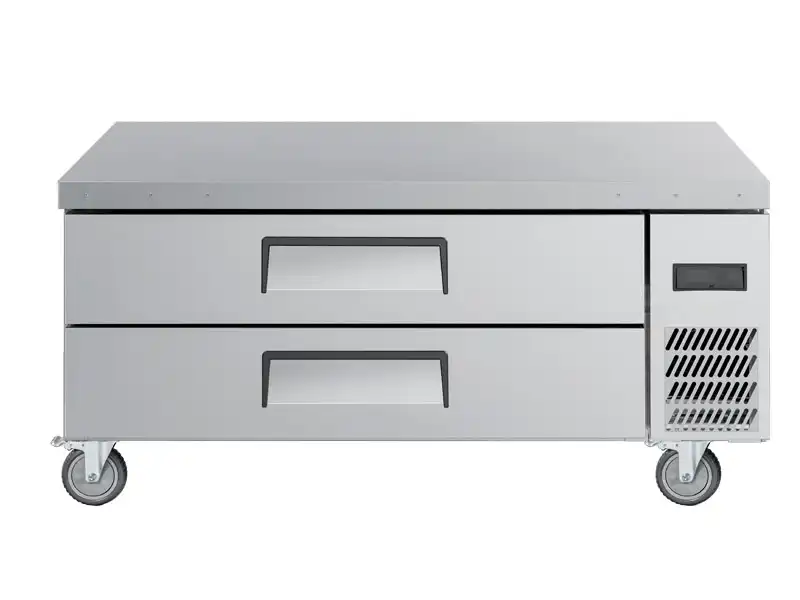
Space constraints often influence equipment decisions as much as capacity requirements. Under-counter units and stackable ice makers maximize output within limited footprints. Evaluating available space alongside production needs helps identify solutions that fit existing kitchen layouts without compromising workflow. Reliability and ease of maintenance matter in high-volume settings where downtime carries significant costs. Robust construction and readily available replacement parts reduce both the frequency and duration of service interruptions.
Checklist: High-Volume Ice Maker Selection
- Assess Peak Demand: Determine maximum daily and hourly ice requirements based on historical data and projected growth.
- Calculate Production Capacity: Ensure total capacity exceeds peak demand by at least 20% to provide operational buffer.
- Evaluate Ice Types: Select ice types based on beverage menu, customer preferences, and specialized applications.
- Consider Storage: Match storage bin size to production rates and demand patterns to prevent shortages during peak periods.
- Space Optimization: Choose compact or modular units that fit existing kitchen layouts without disrupting workflow.
- Reliability & Service: Prioritize brands known for durability, accessible technical support, and readily available parts.
Building a Complete Ice Management Strategy
Strategic ice maker combinations form the foundation of efficient beverage service in commercial settings. The decisions involved—capacity sizing, ice type selection, filtration systems, station integration, and energy efficiency—each contribute to overall operational performance. Getting these elements right creates a system that supports staff rather than creating obstacles, maintains consistent ice quality, and controls operating costs over the long term.
Proactive maintenance extends equipment lifespan and prevents the emergency breakdowns that disrupt service at the worst possible moments. Regular cleaning, filter replacement, and scheduled inspections keep machines running at peak efficiency while ensuring compliance with food safety requirements. The investment in proper maintenance returns value through reduced repair costs and consistent ice availability.
Partner with ZHEJIANG KAIMEI for Unrivaled Refrigeration Solutions
Elevate your commercial kitchen with ZHEJIANG KAIMEI’s expertise in commercial refrigeration equipment. We offer professional one-stop-shop services, from custom ice maker solutions to comprehensive catering equipment consultation. Contact us today to discuss your requirements and discover how our 26 years of experience can benefit your business.
Email: Sales@hzcamay.com
Phone: +86 181 5720 2219
Frequently Asked Questions About Ice Maker Combinations
How can integrated ice and beverage dispensing systems reduce operational costs?
Integrated systems cut labor costs by reducing the distance and time staff spend moving between separate ice sources and preparation areas. Energy-efficient designs in modern integrated units lower utility bills compared to running multiple standalone machines. Space optimization means fewer separate units to maintain, reducing both maintenance frequency and associated costs. The combined effect creates measurable savings in high-volume environments where small efficiencies multiply across thousands of daily transactions.
What maintenance practices are crucial for extending the lifespan of commercial ice makers?
Regular cleaning and descaling prevent mineral buildup that damages evaporator plates and reduces efficiency. Consistent water filter replacement protects internal components from contaminants while maintaining ice quality. Professional preventative maintenance checks catch developing problems before they cause failures. Addressing minor issues promptly—strange sounds, reduced production, or ice quality changes—prevents the cascade of damage that turns small problems into expensive repairs.
Are there sustainable and eco-friendly options for commercial ice production?
Modern commercial ice makers increasingly incorporate sustainability features. High Energy Star ratings indicate designs optimized for minimal energy consumption. Natural refrigerants like R290 reduce environmental impact compared to traditional refrigerants. Water-saving technologies recirculate and reuse water where possible. Proper sizing and maintenance also contribute to sustainability by reducing waste and preventing the energy inefficiency that comes from equipment running outside optimal parameters.