

Running a commercial kitchen means watching every line item, and refrigeration costs have a way of creeping up without anyone noticing. Those compact units tucked under counters or built into prep stations don’t demand much attention, but they run around the clock. Over months and years, their energy draw adds up in ways that catch operators off guard. Getting these smaller appliances dialed in properly can shift the numbers meaningfully on utility bills while keeping food at safe temperatures. The approach matters more than most people realize.
Why Compact Refrigeration Units Deserve More Attention
Small refrigeration units tend to slip through the cracks during energy audits, yet their combined consumption often rivals larger equipment in commercial kitchens. Under-counter refrigerators, specialized prep tables, and compact freezers operate continuously to maintain precise temperatures for food preservation. That constant power draw accumulates quickly across multiple units.
The impact extends beyond the electric meter. Every refrigeration unit releases heat into the kitchen environment, which forces HVAC systems to compensate. A poorly insulated unit or one with a struggling compressor doesn’t just consume more electricity directly—it makes the air conditioning work harder too. We’ve seen older models account for a disproportionate share of total refrigeration energy costs simply because they lack modern efficiency features. Addressing these overlooked appliances becomes a key factor in controlling operational expenses for any food service establishment.
How Small Units Drive Up Overall Kitchen Costs
Compact refrigerators and freezers, including under-counter refrigeration and reach-in coolers, maintain precise temperatures continuously for food preservation. Their energy consumption creates a ripple effect throughout kitchen operations. The heat they generate adds thermal load to the space, pushing air conditioning systems to cycle more frequently.
A failing door gasket or degraded insulation might seem minor, but these issues compound over time. We’ve observed situations where a single neglected unit increased its energy draw by 30% or more before anyone noticed the problem. Older equipment designed before current efficiency standards can consume significantly more power than necessary for the same cooling output.
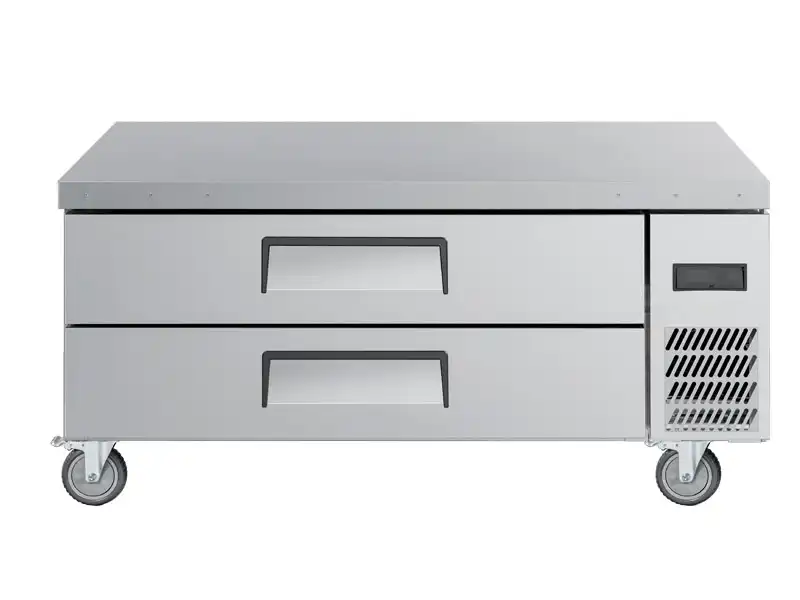
| Refrigeration Type | Typical Energy Consumption (kWh/year) | Impact on HVAC System |
|---|---|---|
| Under-counter Refrigerator | 500-800 | Moderate |
| Pizza Prep Table | 700-1000 | Moderate |
| Salad Prep Table | 750-1100 | Moderate |
| Compact Freezer | 900-1300 | High |
For further insights into optimizing kitchen efficiency, consider reading 《Optimizing Kitchen Efficiency with Integrated Worktop Refrigeration》.
What Makes Small Refrigeration Equipment Energy Efficient
Choosing the right small refrigeration equipment shapes energy management outcomes for years. Units with high energy efficiency ratings, particularly those carrying Energy Star certification, meet strict performance standards that translate directly to lower operating costs.
Several design elements separate efficient models from energy-hungry alternatives. Advanced insulation using polyurethane and cyclopentane foaming reduces heat transfer through cabinet walls substantially. Modern compressor technology adjusts output based on actual cooling demand rather than running at full capacity constantly. Digital temperature control systems maintain tighter setpoints, preventing the energy waste that comes from overcooling.
Smart features like IoT connectivity and WiFi functions allow remote monitoring, catching temperature drift or unusual energy patterns before they become expensive problems. These technologies offer strong returns over the equipment lifespan while ensuring compliance with food safety standards.
Our manufacturing approach reflects these priorities. Units like the Camay Commercial Worktop Refrigerator Cooler Fridge (Model MWTF-27-L) and the Camay 60″ Countertop Refrigerated Chef Base (Model MAR-60A) incorporate eco-friendly R290 refrigerant alongside polyurethane/cyclopentane insulation. ETL, DOE, and ENERGY-STAR certifications verify that these design choices deliver measurable efficiency gains.
Operating and Maintaining Units for Lower Energy Bills
Even the most efficient refrigeration equipment underperforms without proper operation and consistent maintenance. Small adjustments in daily practices and regular upkeep make a measurable difference in energy consumption.
Condenser coils accumulate dust and grease in kitchen environments, sometimes faster than operators expect. This buildup acts as insulation in the wrong place, hindering heat exchange and forcing compressors to run longer cycles. Door gaskets deserve regular inspection too—even minor gaps allow cold air to escape continuously, triggering more frequent compressor activation.
Proper ventilation around units matters more than many realize. Refrigeration equipment needs adequate clearance to dissipate heat effectively. Pushing units tight against walls or blocking airflow with stored items reduces efficiency noticeably.
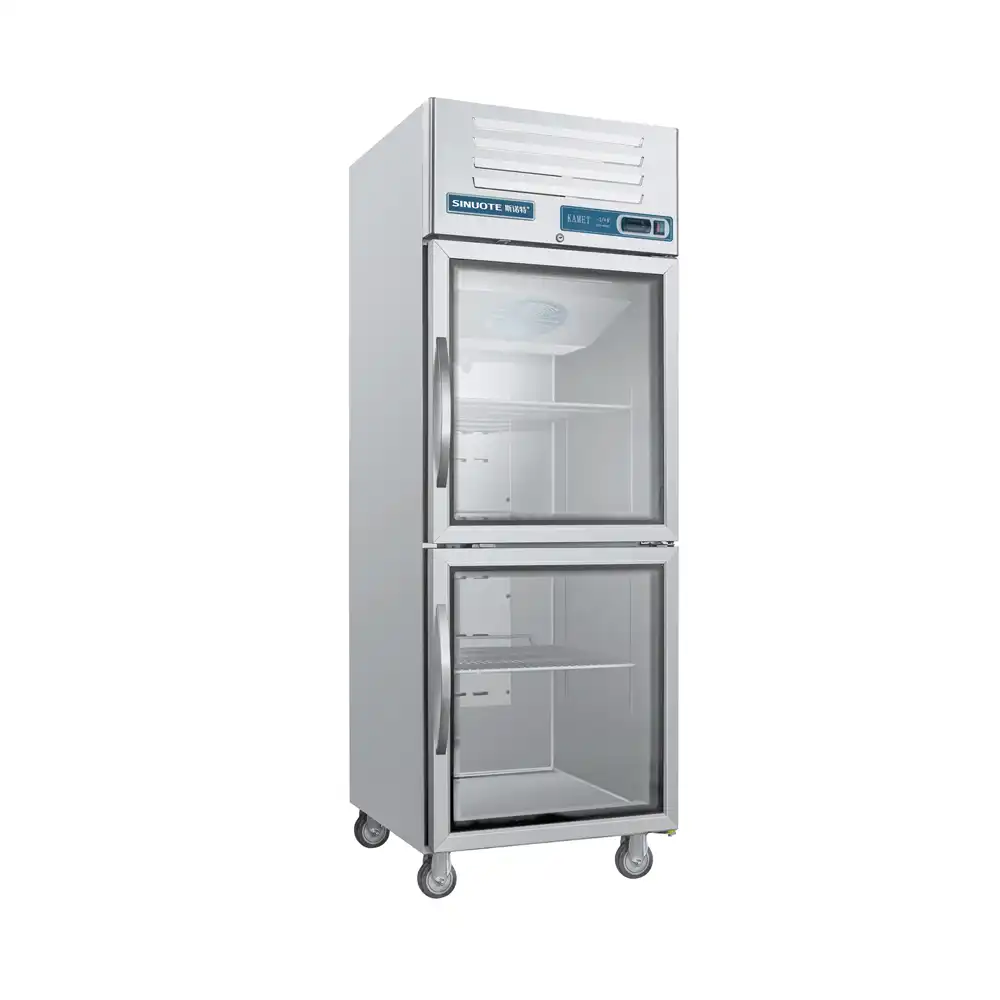
Refrigeration Maintenance Schedule
- Daily: Check door gaskets for proper seal and wipe any visible debris.
- Weekly: Clean exterior surfaces and interior shelves to prevent buildup.
- Monthly: Clean condenser coils thoroughly with a brush or vacuum.
- Quarterly: Inspect refrigerant levels and check connections for leaks.
- Annually: Schedule professional service for comprehensive inspection and system tuning.
Following these refrigeration maintenance practices preserves insulation effectiveness and keeps units operating at designed efficiency levels. The cumulative effect reduces both direct energy costs and the carbon footprint of kitchen operations. For more detailed guidance, consider 《Essential Maintenance Tips for Your Commercial Chef Base Refrigerator》.
Financial Returns and Environmental Gains from Better Refrigeration
Investing in energy-efficient small refrigeration equipment produces returns that compound over the operational life of each unit. The purchase price difference between standard and high-efficiency models typically pays back through reduced utility bills within a few years.
Commercial kitchens upgrading to Energy Star certified Under Counter units commonly see payback periods of 2-3 years through energy savings alone. We’ve documented similar results across OEM and ODM projects where clients tracked consumption before and after equipment changes.
| Investment Scenario | Annual Energy Savings | Estimated Payback Period |
|---|---|---|
| Upgrade 3 standard under-counter units to efficient models | $300 – $500 | 2-3 years |
| Replace old pizza prep table with R290 model | $200 – $350 | 3-4 years |
| Install new chef base with advanced insulation | $250 – $400 | 2.5-3.5 years |
Beyond the financial case, these choices demonstrate environmental responsibility in ways that matter increasingly to customers and regulators alike. Energy management in commercial kitchens affects both profitability and broader sustainability goals. The equipment decisions made today shape operating costs and environmental impact for a decade or more.
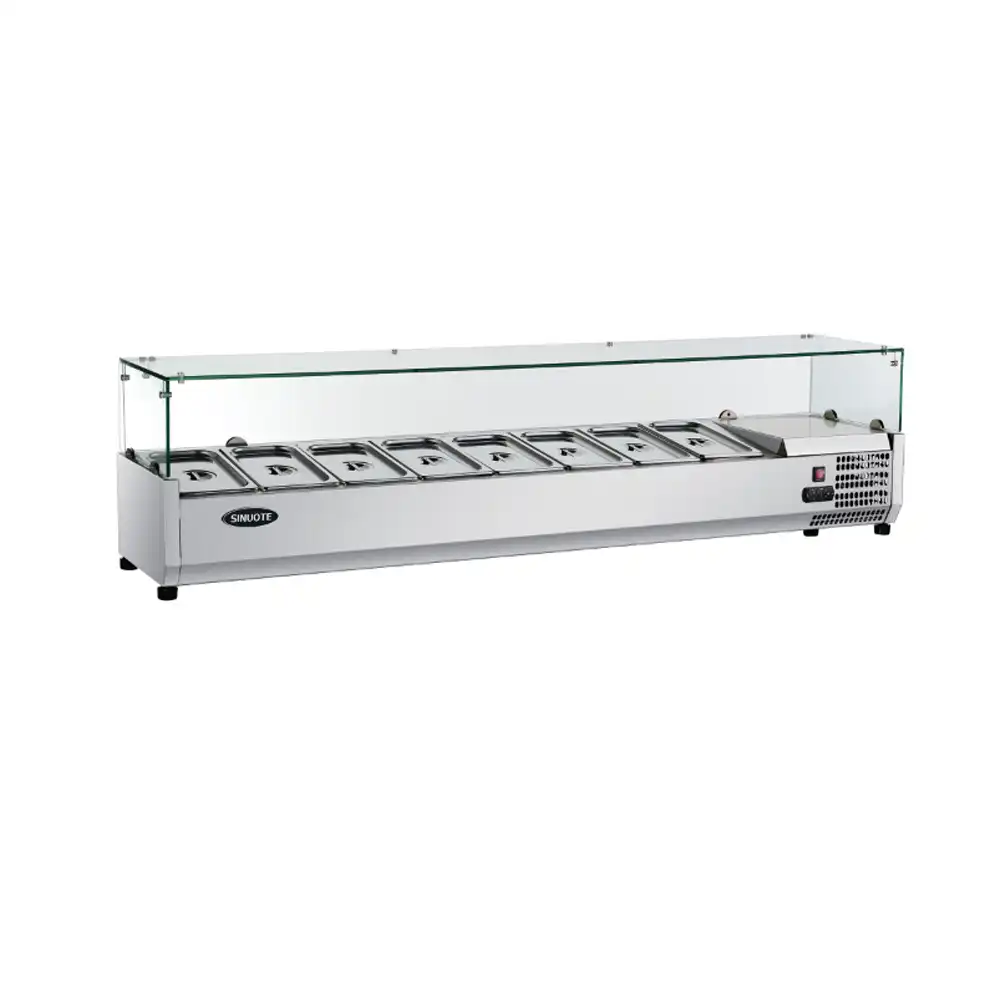
Enhance Your Kitchen’s Performance
Improve your kitchen’s energy efficiency and operational performance with ZHEJIANG KAIMEI CATERING EQUIPMENT CO., LTD. As a professional one-stop-shop refrigeration equipment manufacturer, we offer tailored solutions designed to meet the demands of modern commercial kitchens. Contact us today at Phone: +8618157202219 or Email: Sales@hzcamay.com for expert consultation and to explore our range of energy-saving refrigeration equipment.
Which small refrigeration units deliver the strongest energy savings?
Compact refrigeration units with high Energy Star ratings, advanced insulation, and efficient compressor technology consistently outperform standard models on energy consumption. Under Counter refrigerators, Solid Door Freezer Cooler units, and display cases engineered specifically for efficiency can reduce operational costs meaningfully over their service life. ZHEJIANG KAIMEI manufactures a range of these energy-efficient solutions configured for various kitchen applications.
How do I estimate energy cost savings from a refrigeration upgrade?
Start by comparing the energy consumption ratings (kWh) between your current small refrigeration units and prospective replacements. Multiply the difference by your local electricity rate to get annual savings. Factor in equipment lifespan, reduced maintenance costs, and any available tax incentives or rebates for a complete return analysis. Our team at ZHEJIANG KAIMEI can work through these calculations with you to quantify the long-term value of specific upgrade options.
What certifications and features indicate genuine energy efficiency?
Energy Star certification remains the most reliable indicator of superior energy performance in small refrigeration equipment. Beyond certification, look for variable-speed compressors that adjust output to actual demand, LED lighting, advanced insulation materials like cyclopentane, self-closing doors with quality gaskets, and digital temperature controls with tight setpoint accuracy. These features work together to reduce energy consumption while maintaining proper food storage conditions. ZHEJIANG KAIMEI’s product line incorporates these technologies across multiple equipment categories.