
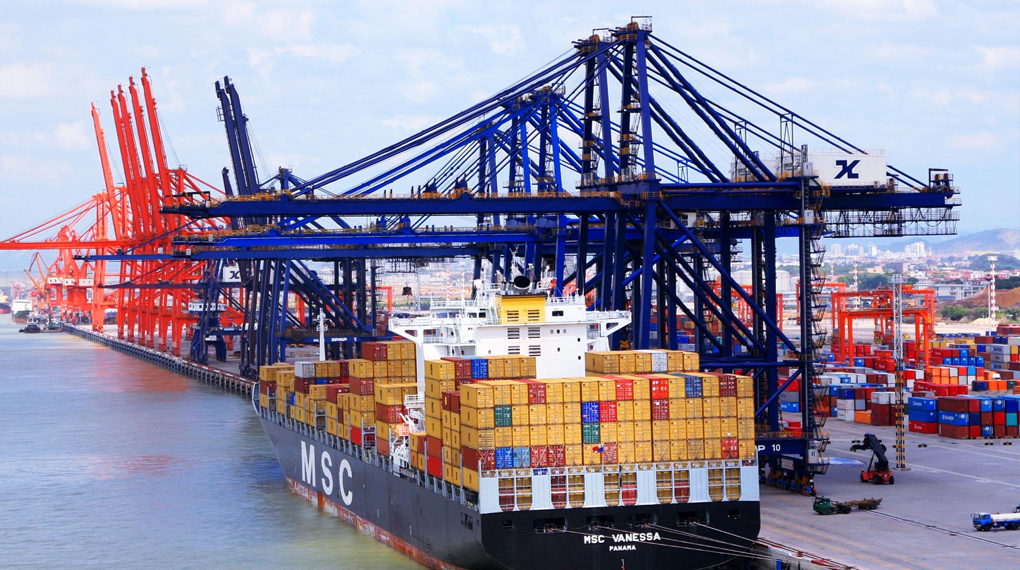
Commercial kitchens run hot, wet, and relentless. I’ve watched prep lines push through twelve-hour shifts where every surface takes a beating—knives slamming down, acidic marinades pooling, steam condensing on every flat plane. The workstation sitting at the center of that chaos either holds up or becomes a liability. Material choice isn’t just a spec sheet decision. It determines whether your equipment investment pays off over a decade or drains your budget in repair cycles.
Why Kitchen Environments Destroy Inadequate Equipment
The stress profile of a commercial kitchen is genuinely punishing. Heat radiates from cooking lines. Humidity saturates the air. Cleaning chemicals attack surfaces daily. Heavy pots and pans create impact loads that accumulate over time. Equipment that can’t handle this combination fails faster than operators expect.
Failure rates tell the story clearly. In high-volume operations, inadequate materials can push annual equipment failure rates to 15–20%. Each failure means downtime, emergency repairs, and disrupted service. The financial hit compounds quickly when you factor in lost productivity and replacement costs.
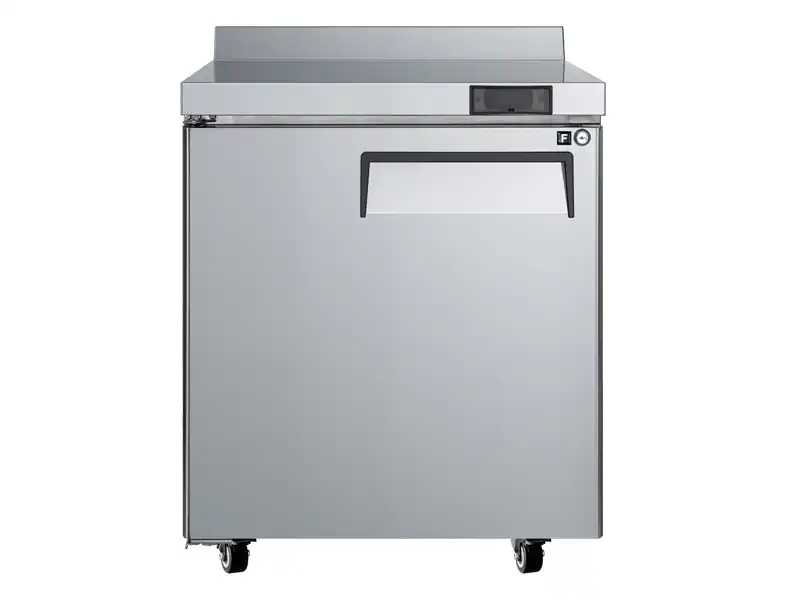
This reality shapes how we approach manufacturing. Products like the Camay MWTF-27-L Commercial Worktop Refrigerator reflect that understanding—built to endure the daily grind without degrading.
| Common Kitchen Stress Factors | Material Properties Required |
|---|---|
| High Temperature | Heat Resistance |
| Moisture & Humidity | Corrosion Resistance |
| Chemical Exposure | Chemical Resistance |
| Heavy Loads | Structural Strength |
| Impact & Abrasion | Impact Resistance |
| Bacterial Growth | Non-Porous, Easy to Clean |
How Alloy Selection Shapes Workstation Performance
Material science drives everything in durable workstation construction. Stainless steel dominates the category for good reason—it balances corrosion resistance, strength, and cleanability better than alternatives. But the grade matters enormously.
Different alloys serve different purposes. Our Work Top and Chef Base units, including the Camay 60″ Countertop Refrigerated Chef Base, use stainless steel construction throughout. The choice of specific grades depends on what each component faces during operation.
What is the difference between 304 and 430 stainless steel for kitchen use?
The distinction comes down to nickel content and its effects on corrosion resistance. 304 stainless steel contains nickel, which significantly improves its ability to resist acids, chlorides, and the corrosive compounds found in many foods. This makes 304 the better choice for food contact surfaces and areas with constant moisture exposure.
430 stainless steel omits nickel, reducing cost but also reducing corrosion resistance. It works well for structural components or areas that don’t face direct exposure to corrosive agents. The right approach matches each grade to its application rather than defaulting to one or the other across an entire unit.
Building Hygiene Into the Structure
Material selection alone doesn’t guarantee a hygienic, durable workstation. Design decisions carry equal weight. How components join together, how edges are finished, and how surfaces meet all affect both cleanability and longevity.
Seamless welding eliminates crevices where bacteria can hide. Rounded edges prevent food particle accumulation in corners. NSF certification confirms that a design meets established food safety standards. These aren’t optional refinements—they’re fundamental requirements for equipment that will pass health inspections and maintain safe conditions over years of use.
Our manufacturing processes build these principles into every unit. The Camay MTR-48 2-Door Commercial Undercounter Refrigerator, for example, features rounded inner bottom corners and removable gaskets specifically to simplify thorough cleaning.
How does workstation design impact kitchen workflow efficiency and hygiene?
Design affects both dimensions simultaneously. Ergonomic layouts reduce unnecessary movement, which cuts staff fatigue and speeds up service. Integrated features like refrigerated storage in worktop units keep ingredients within reach without requiring trips to separate coolers.
On the hygiene side, seamless surfaces and thoughtful corner treatments prevent food particle buildup. Easier cleaning means more thorough cleaning, which directly reduces cross-contamination risk. A well-designed workstation supports both faster work and safer food handling.
Matching Materials to Kitchen Zones
Different areas of a commercial kitchen impose different demands. A high-volume prep station needs impact resistance and easy sanitization. A dishwashing area faces constant chemical exposure. A pastry station benefits from surfaces that won’t stick to delicate doughs.
Generic material choices ignore these distinctions. Custom fabrication allows each workstation to perform optimally for its specific function.
| Kitchen Function | Recommended Material | Key Properties |
|---|---|---|
| High-Volume Prep Area | 304 Stainless Steel | High corrosion, impact resistance, hygienic |
| Dishwashing Area | 316 Stainless Steel | Superior chemical resistance |
| Bakery/Pastry Station | Polyethylene/Composite | Non-stick, gentle on dough, easy to clean |
| Hot Line/Cooking Area | 304 Stainless Steel | Heat resistance, easy to sanitize |
| Storage/Utility | 430 Stainless Steel | Cost-effective, good general durability |
Our Pizza Table models, including the VRX395-1600, use high-quality stainless steel construction designed for the specific demands of pizza preparation. If you’re interested, check 《Optimizing Kitchen Efficiency with Integrated Worktop Refrigeration》.
The Economics of Durable Construction
Higher-grade materials cost more upfront. That’s undeniable. The question is whether that initial investment pays back over the equipment’s lifespan.
Durable workstations require fewer repairs. They last longer before replacement becomes necessary. They cause fewer operational disruptions. When you calculate total cost of ownership rather than just purchase price, premium materials consistently outperform cheaper alternatives.
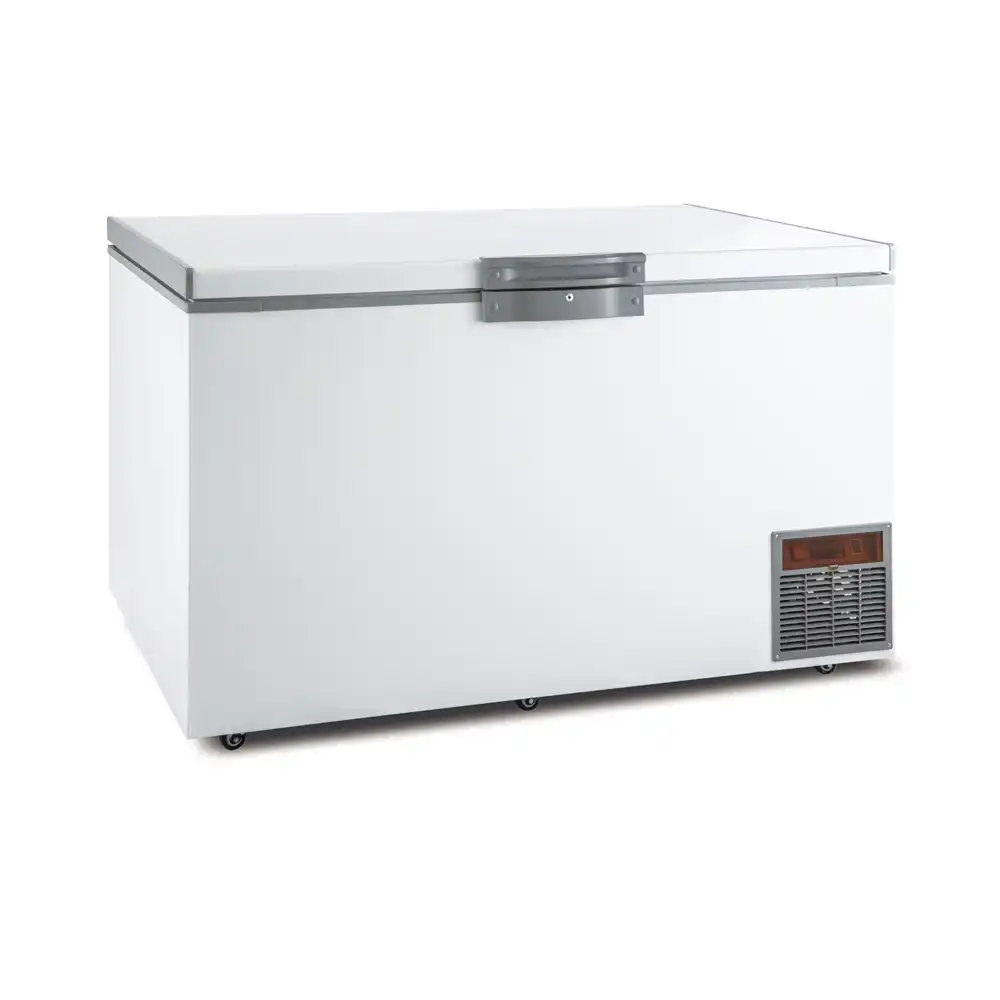
Sustainability factors into this calculation too. Our refrigeration products use eco-friendly refrigerants like R290 and CFC-free insulation. Beyond environmental benefits, these choices often improve energy efficiency, reducing operating costs over time.
What are the long-term cost benefits of investing in premium durable kitchen workstations?
The benefits accumulate across multiple categories. Repair and replacement expenses drop significantly when equipment lasts 15–20 years instead of 5–7. Downtime costs disappear when failures become rare events rather than regular occurrences.
Asset value holds better too. High-quality equipment depreciates more slowly and retains resale value if you eventually upgrade or relocate. Easier cleaning reduces labor time. Better hygiene reduces contamination incidents. Each factor contributes to improved profitability over the equipment’s full lifecycle.
Where Workstation Materials Are Heading
Innovation in commercial kitchen materials continues to accelerate. Smart surfaces that monitor temperature or detect contamination are moving from concept to reality. Antimicrobial materials that actively suppress bacterial growth are becoming more practical for commercial applications.
Advanced composites offer improved strength-to-weight ratios and specialized properties that traditional metals can’t match. These developments will expand what’s possible in workstation design over the coming years.
Partner with ZHEJIANG KAIMEI CATERING EQUIPMENT CO., LTD
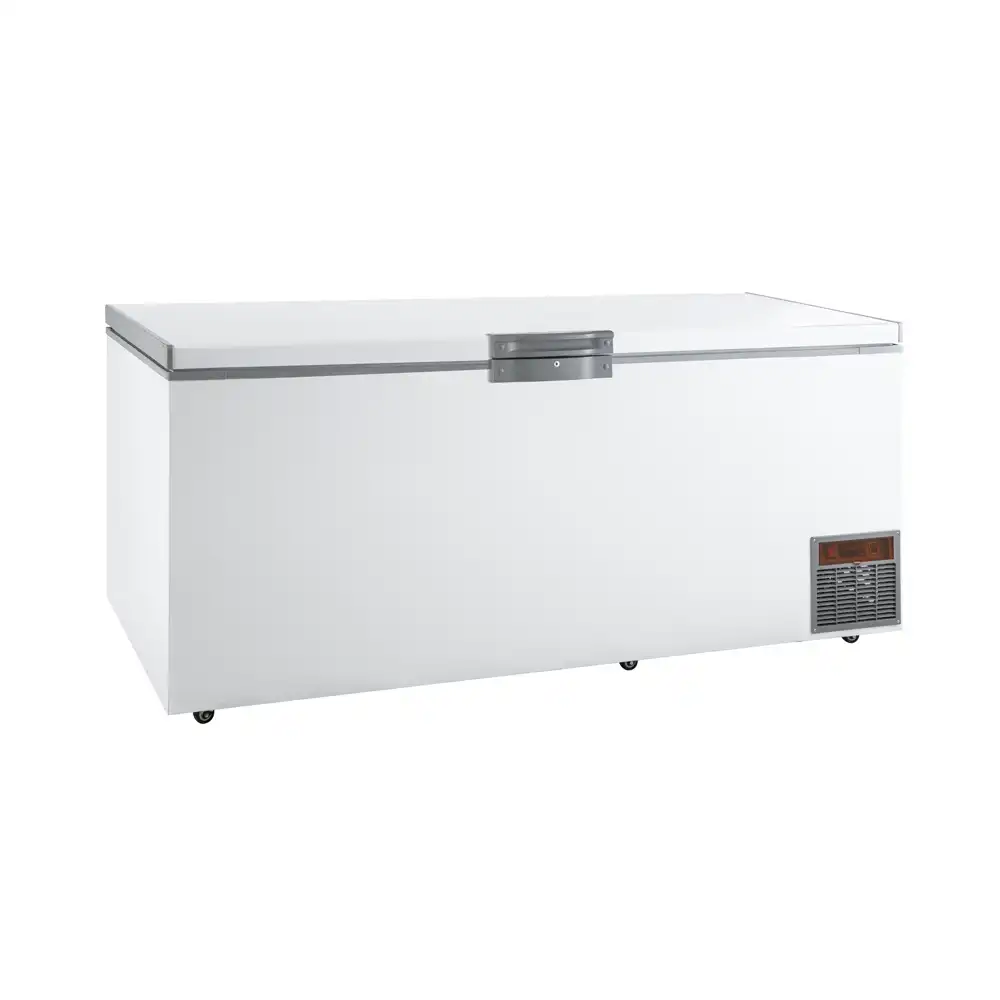
ZHEJIANG KAIMEI CATERING EQUIPMENT CO., LTD provides professional one-stop refrigeration equipment and custom-fabricated durable solutions. Our workstations are engineered to meet demanding standards for hygiene, efficiency, and resilience. Contact us at +8618157202219 or Sales@hzcamay.com to discuss your specific requirements.
Frequently Asked Questions About Commercial Kitchen Workstations
How often should commercial kitchen workstations be replaced?
Replacement timing depends heavily on initial material quality and ongoing maintenance. High-grade stainless steel workstations, particularly those using 304 alloy, can last 15–20 years or longer with proper care. Cheaper materials may need replacement in 5–7 years. Regular inspections for structural integrity, surface wear, and weld condition help maximize lifespan and identify problems before they become safety issues.
Are all stainless steel workstations suitable for all kitchen applications?
No. The grade matters significantly. 304 stainless steel handles most food contact applications well due to its corrosion resistance. 430 stainless steel works for structural components or areas without direct corrosive exposure. Dishwashing areas or outdoor installations may require 316 stainless steel for superior chemical resistance. Matching the grade to the specific application ensures both performance and cost efficiency.
What certifications should I look for when selecting durable kitchen workstations?
NSF International certification should be the primary benchmark. NSF standards cover material safety, design cleanability, and construction quality for food service equipment. Local health codes often reference NSF standards or impose similar requirements. Compliance with these certifications confirms that equipment meets established public health standards and will pass regulatory inspections.