

Smart Chef Base Strategies for Maximum Kitchen Efficiency
Walk into any high-volume commercial kitchen during dinner rush, and you’ll notice something about the stations that move fastest: ingredients appear almost before the chef reaches for them. That’s not magic—it’s positioning. Chef bases sit at the heart of this kind of operational flow, combining refrigerated storage with prep surfaces in a single footprint. When placed correctly and maintained well, these units cut unnecessary steps, keep proteins and produce at safe temperatures, and let cooks focus on what actually matters: the food leaving the pass.
Why Chef Bases Matter More Than Most Kitchen Equipment
A chef base does two jobs simultaneously. It holds weight—heavy equipment, cutting boards, mixing bowls—while keeping perishables cold directly beneath the work surface. That combination sounds simple until you calculate how many trips to a walk-in cooler disappear when everything needed for a station lives within arm’s reach.
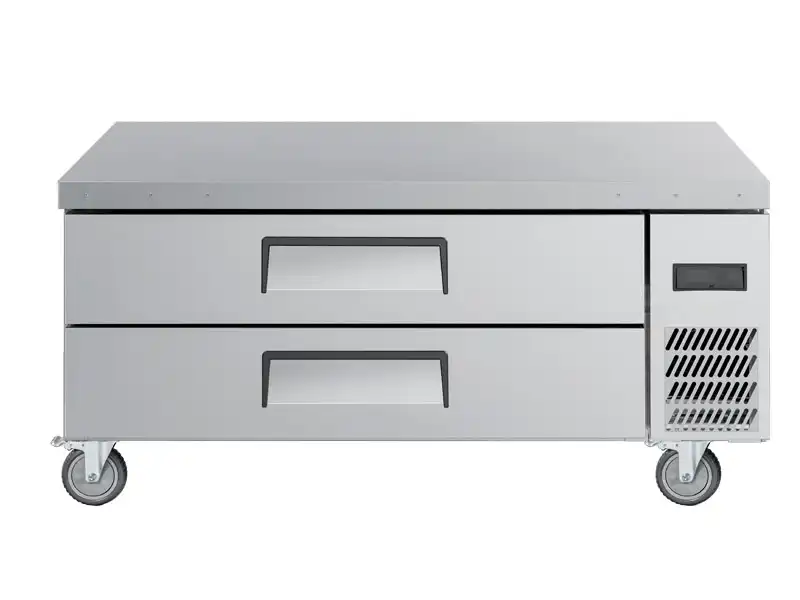
Space constraints make this even more relevant. Not every kitchen has room for separate prep tables and reach-in refrigerators. A unit like the Camay 60″ Countertop Refrigerated Chef Base (Model MAR-60A) delivers both functions while maintaining temperatures between 0.5°C and 5°C. Ingredients stay fresh. Workflow stays tight. The math works out in kitchens where square footage costs money and every second during service counts.
Placement Decisions That Actually Affect Speed
Where a chef base sits determines whether it helps or just takes up space. The obvious answer—directly beneath cooking equipment or primary prep zones—holds true, but the reasoning goes deeper than convenience.
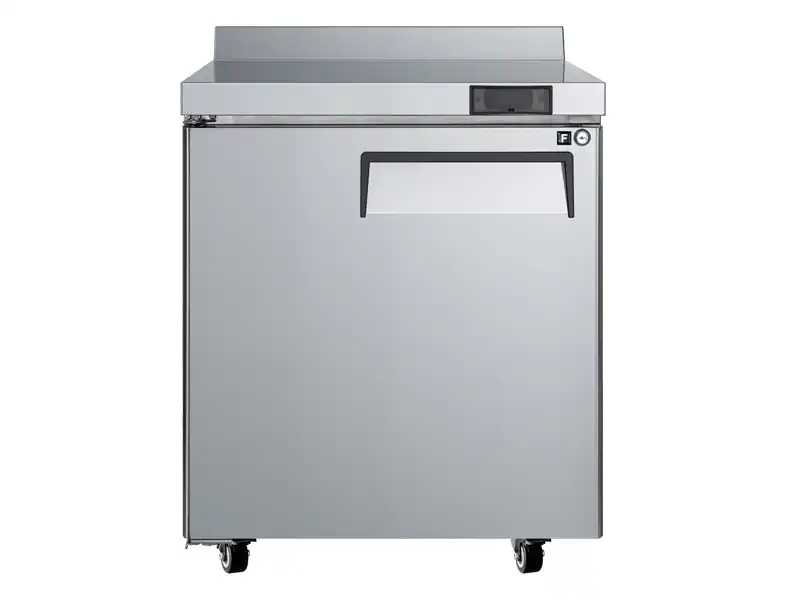
Fatigue accumulates. A cook who walks fifteen feet to grab mise en place fifty times per shift covers ground that adds up. Positioning refrigerated storage at the workstation eliminates most of that movement. The Camay Commercial Worktop Refrigerator Cooler Fridge (Model MWTF-27-L) was designed with this reality in mind, featuring recessed handles that don’t catch aprons and pre-installed shelving that organizes ingredients logically.
Height matters too. Drawer-style chef bases let cooks pull ingredients without bending repeatedly, which reduces strain over long shifts. These ergonomic details don’t show up on spec sheets as prominently as temperature ranges, but they affect how a kitchen actually runs.
How do chef bases contribute to faster food preparation?
Chef bases accelerate prep by eliminating retrieval time. When proteins, dairy, and prepped vegetables sit directly beneath the cutting board, cooks maintain momentum instead of breaking rhythm to fetch ingredients. The Camay 60″ Countertop Refrigerated Chef Base holds items between 0.5°C and 5°C, keeping everything ready for immediate use. During peak service, that uninterrupted access translates to faster ticket times and fewer bottlenecks at individual stations.
Integrating a chef base into your kitchen design can dramatically improve your team’s efficiency. To further enhance your kitchen’s operational flow, consider how dedicated refrigeration solutions can benefit your specific setup. If you’re interested, check 《Boost Kitchen Efficiency Workflow Optimization with Chef Base Fridges》.
Technical Features That Separate Good Units From Adequate Ones
Temperature consistency matters more than most operators realize until something goes wrong. A chef base that fluctuates even a few degrees creates food safety risks and accelerates spoilage. Quality units use compressor technology designed for the specific demands of commercial environments—Cubigel compressors appear in our refrigerated chef drawers for exactly this reason.
Insulation quality directly affects energy consumption. Polyurethane and cyclopentane foam, both CFC-free, provide the thermal barrier that keeps cold air inside without forcing compressors to work overtime. R290 refrigerant offers environmental benefits alongside efficiency gains, which explains why it appears across our chef base lineup.
Smart features have moved from novelty to practical necessity. Digital temperature systems with optional IoT and WiFi connectivity allow remote monitoring, which means problems get caught before they become emergencies. A temperature spike at 3 AM triggers an alert rather than a morning discovery of spoiled inventory.
Stainless steel construction isn’t just about appearance. The material resists corrosion, cleans easily, and withstands the abuse that commercial kitchens deliver daily. Both interior and exterior surfaces benefit from this durability.
What features should I look for in a high-efficiency chef base?
Start with compressor reliability—Cubigel compressors handle commercial demands consistently. Insulation quality determines energy costs over the unit’s lifespan, so look for polyurethane or cyclopentane foam. Drawer configuration should match your workflow; some operations need multiple shallow drawers while others prefer fewer deep ones. Stainless steel throughout ensures durability and simplifies cleaning. Certifications like ETL, DOE, and ENERGY-STAR confirm that the unit meets performance and safety standards.
| Feature | Benefit | Camay Model Example |
|---|---|---|
| R290 Refrigerant | Eco-friendly, energy-efficient | MAR-60A, MWTF-27-L |
| Stainless Steel Construction | Durability, hygiene | All chef base models |
| Smart Digital Temperature | Precise control, monitoring | MAR-60A, MWTF-27-L |
| Polyurethane Insulation | Enhanced energy savings | All chef base models |
| Removable Gaskets | Easy cleaning, maintenance | MWTF-27-L |
Getting Real Value From Your Investment
Energy costs add up quietly. A chef base running 24 hours daily for years will consume significant electricity, which makes efficiency specifications worth examining closely. The combination of R290 refrigerant and quality insulation in units like the Camay 60″ Countertop Refrigerated Chef Base reduces consumption noticeably compared to older designs.
Maintenance determines longevity more than initial build quality alone. Condenser coils collect dust and grease in kitchen environments, reducing cooling efficiency when neglected. Monthly cleaning takes minutes but prevents the compressor strain that shortens equipment life. Door gaskets deserve similar attention—a worn seal forces the system to work harder, increasing energy use and accelerating wear.
The MWTF-27-L model features removable gaskets and rounded inner shelves specifically because these details make cleaning practical rather than theoretical. Equipment that’s easy to maintain actually gets maintained.
To ensure your commercial refrigeration equipment operates at its peak, understanding proper maintenance is key. For comprehensive guidance on extending the life of your equipment, consider reading 《Essential Maintenance Tips for Your Commercial Chef Base Refrigerator》.
Adapting Equipment to Specific Kitchen Layouts
Standard configurations work for many operations, but kitchens vary enough that customization often makes sense. ZHEJIANG KAIMEI CATERING EQUIPMENT CO., LTD. offers options including different drawer arrangements and black inner box features for operations with specific aesthetic or functional requirements.
Mobility matters in some environments. Optional casters allow repositioning for cleaning or reconfiguration, while fixed legs provide stability for permanent installations. The choice depends on how the kitchen operates day to day.
Pizza prep stations, garde manger setups, and line cooking positions each benefit from chef base integration, but the ideal configuration differs. A pizza station might need wider, shallower drawers for dough balls and portioned toppings, while a sauté station benefits from deeper storage for proteins and sauces.
Where Chef Base Technology Is Heading
Connectivity has moved from optional to expected in commercial refrigeration. IoT integration allows operators to monitor temperatures remotely, receive alerts when parameters drift, and track performance data over time. This information supports both immediate problem-solving and longer-term decisions about equipment replacement or kitchen reconfiguration.
Environmental regulations continue tightening globally, which makes refrigerant choices increasingly important. R290 meets current standards and positions equipment for compliance as requirements evolve. Investing in units built around sustainable technology avoids the situation where functional equipment becomes obsolete due to regulatory changes.
Energy efficiency improvements continue as well. Each generation of compressor and insulation technology delivers better performance per watt consumed, which affects operating costs throughout the equipment’s useful life.
Working With ZHEJIANG KAIMEI
ZHEJIANG KAIMEI CATERING EQUIPMENT CO., LTD. provides comprehensive refrigeration solutions for commercial kitchens, with chef bases representing one component of a broader equipment lineup. Our focus on Chef Base technology reflects years of manufacturing experience and direct feedback from food service operations.
Contact us at +8618157202219 or Sales@hzcamay.com to discuss specific requirements. Whether you’re outfitting a new kitchen or upgrading existing stations, understanding your workflow helps identify the right equipment configuration.
Can chef bases really reduce operational costs in a commercial kitchen?
The cost reduction comes from multiple sources. Energy-efficient designs using R290 refrigerant and quality insulation lower utility expenses. Improved workflow reduces labor costs by letting staff accomplish more in less time. Durable construction minimizes repair frequency and extends replacement cycles. The savings compound over years of operation, making the initial investment easier to justify.
What are the essential maintenance tips for extending chef base lifespan?
Clean condenser coils monthly to maintain cooling efficiency. Inspect door gaskets regularly and replace them when seals weaken. Address temperature fluctuations immediately rather than waiting for complete failures. Ensure adequate ventilation around the unit to prevent heat buildup. These practices cost little time but significantly extend equipment life.
How do ZHEJIANG KAIMEI’s chef bases ensure food safety standards?
Temperature control systems maintain precise ranges, typically 0.5°C to 5°C for refrigerated units. Stainless steel construction with rounded interior corners eliminates crevices where bacteria could accumulate. ETL Sanitation certification to NSF standards confirms that design and materials meet food safety requirements. Consistent temperatures and cleanable surfaces together minimize contamination risks.