
Choosing the right ice maker for a bar isn’t just about picking a machine that makes ice. It’s about finding equipment that keeps up during a Friday night rush, doesn’t spike your utility bills, and won’t break down when you need it most. After working through countless installations and troubleshooting sessions, the pattern becomes clear: bars that take time to match their ice maker to their actual operations run smoother and spend less over time.
Matching Ice Production to Your Bar’s Real Demand
Getting the capacity right matters more than most bar owners realize at first. The standard estimate runs between 1.5 to 3 pounds of ice per customer, but that number shifts based on what you’re actually serving. A cocktail-heavy menu with shaken drinks and crushed ice presentations burns through ice faster than a beer-focused spot. Peak hour traffic, ambient temperature in your space, and even the speed of your bartenders all factor in.
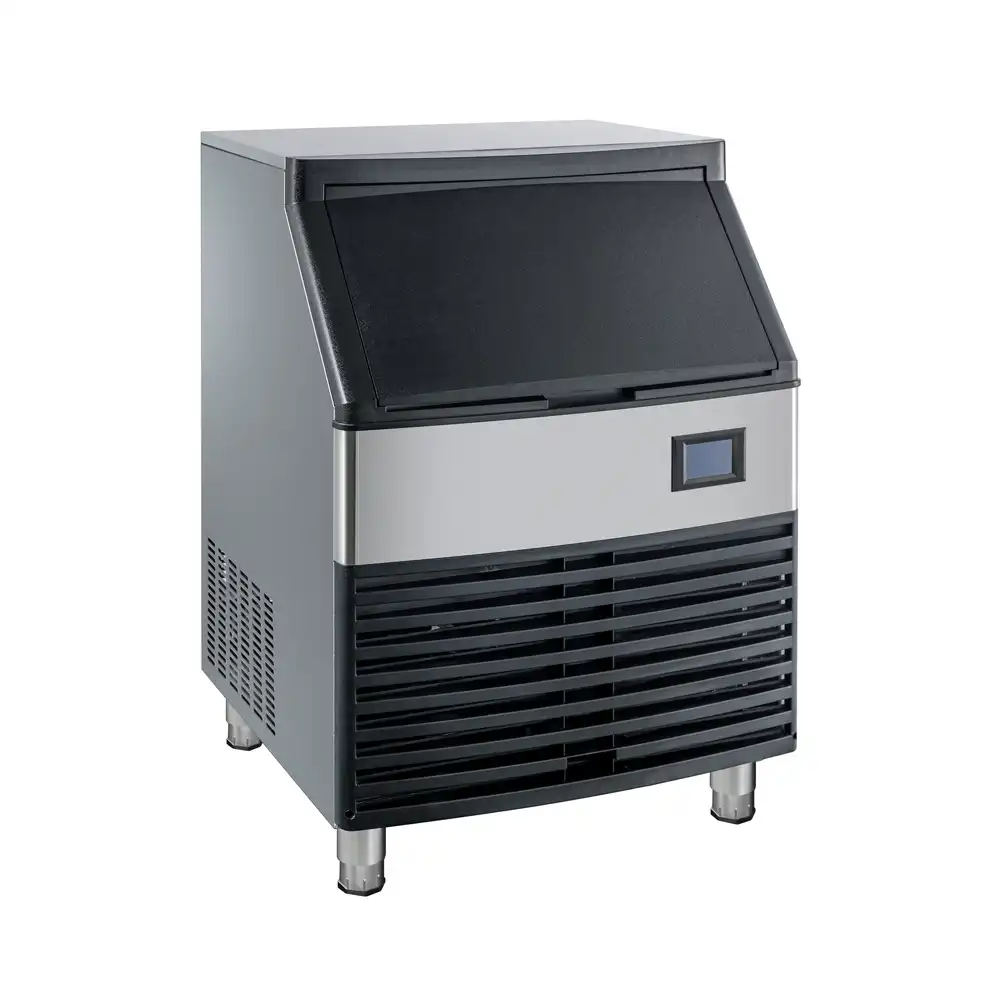
An undersized bar ice maker creates problems that ripple through service—staff scrambling, drinks delayed, customers waiting. An oversized unit wastes energy and takes up space you could use for something else. Models like the Cube Ice Making Machine (FB210A) produce 100 kg over 24 hours with 45 kg storage capacity, which covers a solid range of commercial applications without going overboard.
For bars working with tight floor plans, an undercounter ice maker slides beneath existing counter space and keeps production close to where drinks get made. Modular ice makers work better for high-volume operations where you need to scale production and storage separately. The choice depends on your specific layout and how much ice actually moves through your bar on a busy night.
Ice Types and How They Affect Your Drinks
Different ice shapes do different things in a glass, and the choice affects both presentation and how quickly a drink changes character.
Full cube ice melts slowly. That makes it the right pick for quality spirits and cocktails where you want the flavor profile to hold steady as someone sips. Half cube ice works across a broader range of drinks and fits into more glass sizes without looking awkward. Nugget ice chills fast and has that chewable texture people seem to like in soft drinks and blended cocktails. Flaked ice cools rapidly and shows up in food displays or specialty drinks that need quick temperature drops.
| Ice Type | Characteristics | Ideal Applications |
|---|---|---|
| Full Cube | Slow-melting, clear | High-end spirits, slow-sipping cocktails |
| Half Cube | Versatile, moderate melt | Mixed drinks, general beverages |
| Nugget Ice | Chewable, fast cooling | Soft drinks, blended cocktails, slushies |
| Flaked Ice | Rapid cooling, soft | Food displays, specialty cocktails, smoothies |
Running Costs That Add Up Over Time
The purchase price is just the starting point. Energy consumption, water usage, and maintenance expenses determine what you actually spend over the life of the equipment.
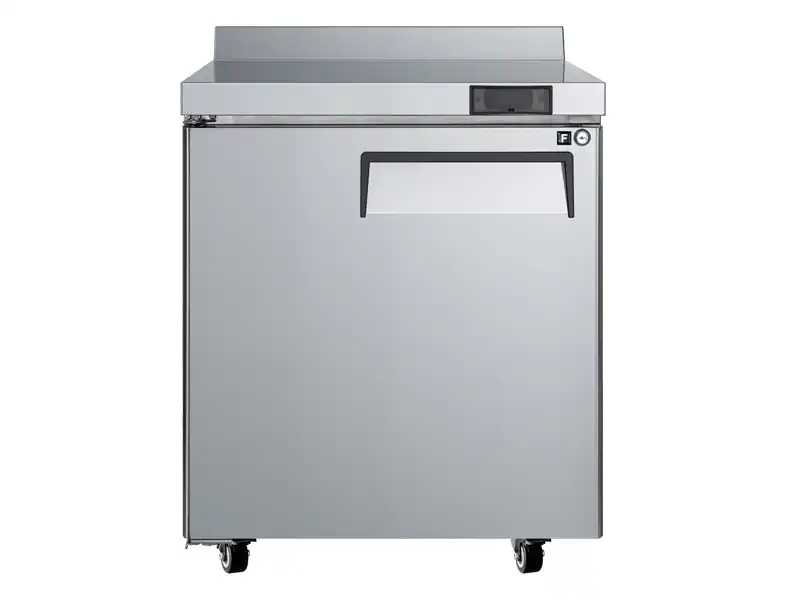
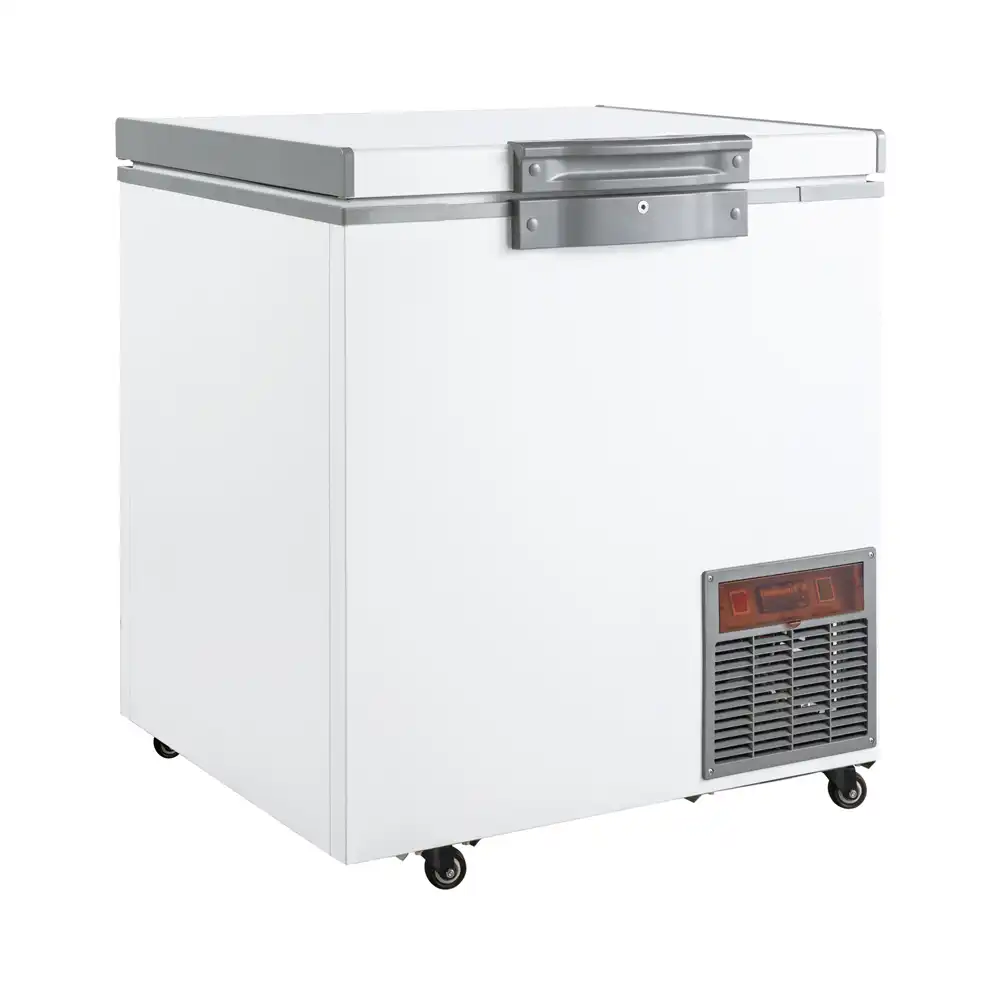
Modern bar ice makers with R290 refrigerant, like the Cube Ice Making Machine (FB210A), deliver better energy performance than older refrigerant systems. This same refrigerant technology appears in the Camay Commercial Worktop Refrigerator Cooler Fridge and Camay 60″ Countertop Refrigerated Chef Base, reflecting a broader shift toward more efficient cooling across commercial equipment.
Water filtration does double duty. Clean water produces better ice and prevents mineral buildup inside the machine. That buildup causes problems over time—reduced efficiency, more frequent repairs, shorter equipment life. Installing proper filtration upfront saves money and headaches later.
Noise matters too, especially in bars with open layouts where the ice maker sits within earshot of customers. Many current models include sound-dampening features that keep the mechanical hum from competing with conversation. And proper drain pump selection prevents water management issues that can create messes or damage flooring.
If you’re interested, check 《Boost Savings with Energy Efficient Commercial Upright Freezers》.
Hygiene Standards and Equipment That Lasts
Commercial refrigeration equipment in food service environments needs to meet specific standards, and cutting corners here creates real problems.
Food-grade 304 stainless steel resists corrosion and cleans easily, which matters when you’re dealing with equipment that contacts consumable products. The Cube Ice Making Machine (FB210A) uses a food-grade PE liner with whole-foaming technology for sanitation purposes.
NSF certification indicates compliance with public health and safety requirements. Anti-microbial components in ice maker construction help prevent bacterial growth that could compromise ice quality. These aren’t marketing features—they’re practical safeguards that protect both customers and your business.
Why Maintenance Schedules Actually Matter
Regular cleaning prevents mold, mildew, and mineral deposits from building up inside the machine. These contaminants affect ice quality and create health risks that no bar wants to deal with.
Preventative maintenance catches small issues before they become expensive breakdowns. A technician spotting a worn component during a routine check costs far less than emergency service when the machine fails during a Saturday night rush. Consistent maintenance extends equipment life by several years in most cases, which changes the math on what you’re really paying for your bar ice maker over time.
Installation Done Right
Professional installation covers more than just plugging in the machine. Correct water connections, proper electrical setup, adequate drainage, and sufficient airflow around the unit all affect performance and longevity. Improper installation can also void warranty coverage, which defeats the purpose of buying quality equipment.
The Cube Ice Making Machine (FB210A) comes with 13-month after-sales service including free spare parts and permanent online technical support. That kind of supplier commitment means issues get resolved quickly rather than leaving you without ice production while waiting for parts or service.
Looking at Total Cost Rather Than Just Price Tags
The initial purchase price tells only part of the story. Total cost of ownership includes energy consumption, water usage, and maintenance expenses across the equipment’s working life.
Higher-efficiency models often cost more upfront but deliver lower operating expenses year after year. A bar ice maker with reduced energy consumption and longer durability provides better value even if the purchase price runs higher than a basic unit.
| Cost Factor | Initial Investment | Operational Costs (Annual) | Maintenance (Annual) |
|---|---|---|---|
| High-Efficiency | Higher | Lower | Moderate |
| Standard Efficiency | Lower | Higher | Moderate |
Financing options can help spread the cost of better equipment rather than forcing a choice based purely on what’s cheapest today.
Working with ZHEJIANG KAIMEI
ZHEJIANG KAIMEI CATERING EQUIPMENT CO., LTD manufactures commercial ice makers designed for demanding bar environments. The combination of current technology and solid construction produces equipment that performs reliably under real operating conditions. Reach out at Sales@hzcamay.com or call +8618157202219 for consultation on matching equipment to your specific needs.
Frequently Asked Questions About Bar Ice Makers
How much ice does a bar need per day?
Daily ice requirements depend on customer volume, drink menu composition, and peak hour patterns. The 1.5 to 3 pounds per customer guideline provides a starting point, though cocktail-heavy operations typically need more. Calculating your actual needs based on your specific operation gives better results than relying on general estimates alone.
What are the common problems with bar ice makers?
Insufficient production, unusual sounds, leaks, cloudy ice, and complete failures represent the most frequent issues. Most trace back to inadequate maintenance, mineral accumulation, water quality problems, or component wear. Regular cleaning and scheduled professional service prevent the majority of these problems before they disrupt operations.
Are undercounter ice makers suitable for all bar types?
Undercounter units work well for bars with space constraints, smaller operations, or as supplementary production at specific service stations. High-volume establishments that need large ice quantities may find modular systems with separate storage bins more practical. Some bars combine both approaches, using undercounter units at satellite stations while running larger production equipment in back-of-house areas.