
Commercial kitchens that run blast chillers well tend to notice the difference in ways that go beyond temperature logs. The rhythm of prep changes. Food waste drops. Staff stop scrambling during peak hours because the groundwork was laid hours earlier. Getting there requires more than just buying the right equipment—it means thinking through how that equipment fits into the actual flow of work, from cooking through storage and service.
What Blast Chillers Actually Change in Daily Kitchen Operations
The core function is straightforward: blast chillers pull heat out of cooked food fast enough to shut down bacterial growth before it starts. But the operational ripple effects matter more than the temperature curve itself.
When a kitchen can safely hold prepared food for days instead of hours, batch cooking becomes practical. A prep team can work through large quantities during slow mornings, then store everything for service later. This shifts labor away from the chaos of peak hours and toward more controlled, predictable work blocks. Menu planning gets easier when you know certain components will hold quality for several days without degradation.
The food waste reduction alone justifies the equipment for many operations. Ingredients that would otherwise spoil during slow periods stay viable. Overproduction from a busy night becomes tomorrow’s mise en place rather than tomorrow’s trash. For high-volume kitchens—hotels, hospitals, large catering operations—these savings compound quickly.
Consistency improves too. A sauce made in a 50-liter batch and properly chilled will taste the same on day three as day one. That predictability matters when you’re trying to maintain standards across multiple service periods or locations.
Placing Blast Chillers Where They Actually Make Sense
Layout decisions determine whether a blast chiller becomes a workflow asset or an awkward obstacle that staff route around. The goal is minimizing the distance food travels between cooking, chilling, and storage—every extra step adds time, increases handling, and creates opportunities for temperature abuse.
The obvious placement puts the blast chiller between the cooking line and cold storage. Food comes off the stove, goes directly into the chiller, then moves to refrigerated holding once it reaches target temperature. This linear flow reduces cross-traffic and keeps hot and cold operations from interfering with each other.
Ventilation requirements often get underestimated. Blast chillers generate significant heat exhaust, and cramped placement near walls or other equipment restricts airflow, forcing the compressor to work harder and shortening equipment life. Power demands vary by unit size, but most commercial blast chillers need dedicated circuits—retrofitting electrical infrastructure after installation costs more than planning for it upfront.
Drainage matters too. Blast chillers produce condensation, and units without proper drainage connections create puddles that become slip hazards and sanitation problems. Floor drains within reach of the unit simplify this considerably.
Making Blast Chillers Work in Existing Kitchen Spaces
Retrofitting a blast chiller into a kitchen that wasn’t designed for one requires some creative problem-solving, but it’s rarely impossible.
Start by mapping actual workflow patterns rather than theoretical ones. Watch where staff actually move during service and prep. The best location might not be the most obvious one—sometimes a slightly longer walk to the chiller beats a placement that creates bottlenecks during rush periods.
Electrical capacity is the most common constraint. Older kitchens often lack the amperage for modern blast chillers, and running new circuits through finished spaces gets expensive. Smaller countertop units or roll-in models with lower power draws can work around this limitation, though they sacrifice capacity.
Modular blast chillers offer flexibility for tight spaces. Some manufacturers produce units that can be stacked or configured in L-shapes to fit awkward corners. The trade-off is usually reduced batch capacity compared to full-size roll-in models.
Temperature Control and HACCP Documentation
Food safety regulations exist because the alternative is people getting sick. Blast chillers make compliance easier by doing the hard part—rapid cooling—automatically and consistently.
The critical window is the temperature danger zone between roughly 60°C and 5°C, where bacteria multiply fastest. HACCP protocols typically require moving cooked food through this range within specific timeframes. Blast chillers accomplish this by forcing cold air across food surfaces at high velocity, pulling heat out far faster than standard refrigeration.
Most commercial blast chillers include temperature logging as a standard feature. The unit records time and temperature data throughout each cycle, creating documentation that auditors and health inspectors can verify. This automated record-keeping eliminates the human error that comes with manual temperature logs—no more guessing what time something went into the cooler or whether anyone actually checked it.
The Mechanics of Rapid Cooling for Food Safety
The standard benchmark is cooling food from 70°C to 3°C within 90 minutes. This timeframe keeps food in the danger zone briefly enough that bacterial populations don’t reach harmful levels.
Blast chillers achieve this through a combination of very cold air (typically -30°C to -40°C) and high airflow velocity. The moving air strips heat from food surfaces continuously, preventing the insulating layer of warm air that forms around food in static cold environments.
When food fails to reach target temperature within the required timeframe, the options are limited: reheat to cooking temperature and try again, or discard. Neither is appealing, which is why proper loading—avoiding overcrowding, using appropriate pan depths, positioning food for maximum air contact—matters so much.
| HACCP Critical Limits for Chilling |
|---|
| Initial Temp |
| +70°C |
| Target Temp |
| +3°C or lower |
| Max Time |
| 90 minutes |
| Monitoring Method |
| Digital Thermometer |
| Corrective Action |
| Reheat or Discard |
Where the Money Goes and Where It Comes Back
The financial case for blast chillers rests on several factors that vary by operation. High-volume kitchens with significant food waste typically see faster returns than smaller operations with tighter inventory control already in place.
Food waste reduction is usually the largest single savings category. Ingredients that would spoil become usable inventory. Overproduction from demand forecasting errors stays viable for later service. For operations throwing away 5-10% of food costs to spoilage, cutting that number in half represents real money.
Labor efficiency gains are harder to quantify but often substantial. Batch cooking during off-peak hours means fewer staff needed during expensive peak periods. Prep work becomes more predictable, reducing overtime and last-minute scrambling.
Energy costs depend heavily on equipment selection. Modern blast chillers using R290 refrigerant and improved insulation run more efficiently than older models, though the upfront cost is typically higher. The calculation depends on local electricity rates and how heavily the unit gets used.
Realistic Payback Expectations
Most operations see payback periods between 12 and 24 months, though this varies significantly based on volume and existing waste levels. A high-volume catering operation with poor current cold chain practices might recoup costs in under a year. A smaller restaurant with already-tight inventory management might take longer.
The calculation should include avoided costs that don’t show up on invoices: fewer food safety incidents, reduced insurance claims, less time spent on compliance documentation. These benefits are real even when they’re difficult to assign dollar figures.
Maintenance costs factor into long-term ROI as well. Blast chillers require regular attention—condenser cleaning, seal inspection, refrigerant checks—and neglecting this work shortens equipment life while increasing energy consumption.
Keeping Staff and Equipment Running Properly
Equipment only performs as well as the people operating it. Blast chiller training doesn’t need to be elaborate, but it does need to cover the basics that affect both food safety and equipment longevity.
Loading procedures matter more than most operators realize. Overcrowded blast chillers don’t cool evenly—food in the center stays warm while edges freeze. Shallow pans cool faster than deep ones. Hot food should never touch cold food already in the unit. These seem like obvious points, but they’re the ones that get skipped during busy service.
Temperature settings vary by application. Blast chilling (rapid cooling to refrigeration temperatures) uses different parameters than blast freezing (rapid cooling to frozen storage temperatures). Using the wrong cycle wastes energy and may not achieve food safety targets.
Daily cleaning prevents the buildup of food residue that harbors bacteria and reduces airflow efficiency. Weekly checks of door seals and gaskets catch problems before they become expensive repairs. Professional servicing on a quarterly or semi-annual schedule keeps refrigerant levels correct and catches worn components before they fail during service.
Where Blast Chiller Technology Is Heading
The integration of monitoring systems into commercial kitchen equipment continues to expand. Current-generation blast chillers often include network connectivity that allows remote temperature monitoring, automated alerts when cycles complete or problems occur, and data logging that integrates with kitchen management software.
This connectivity has practical benefits beyond convenience. Managers can verify that overnight cooling cycles completed successfully without being physically present. Maintenance teams can monitor equipment performance trends and schedule service before failures occur. Compliance documentation becomes automatic rather than manual.
Refrigerant choices are shifting toward lower environmental impact options. R290 (propane) has become common in newer equipment, offering good thermodynamic properties with minimal global warming potential. This matters both for regulatory compliance and for operations with sustainability commitments.
Energy efficiency continues to improve through better insulation, more efficient compressors, and smarter defrost cycles. The operating cost difference between a 10-year-old blast chiller and a current model can be substantial enough to justify replacement even when the old unit still functions.
Working with ZHEJIANG KAIMEI CATERING EQUIPMENT CO., LTD
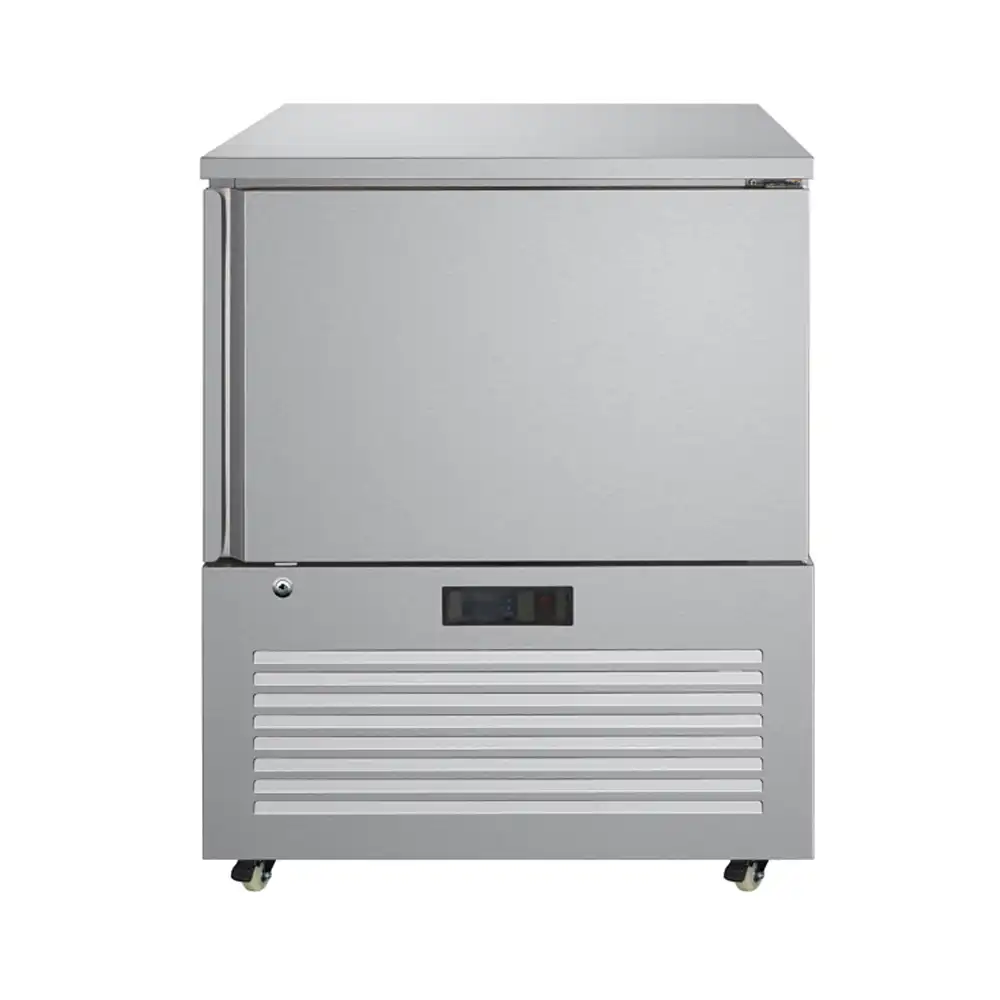
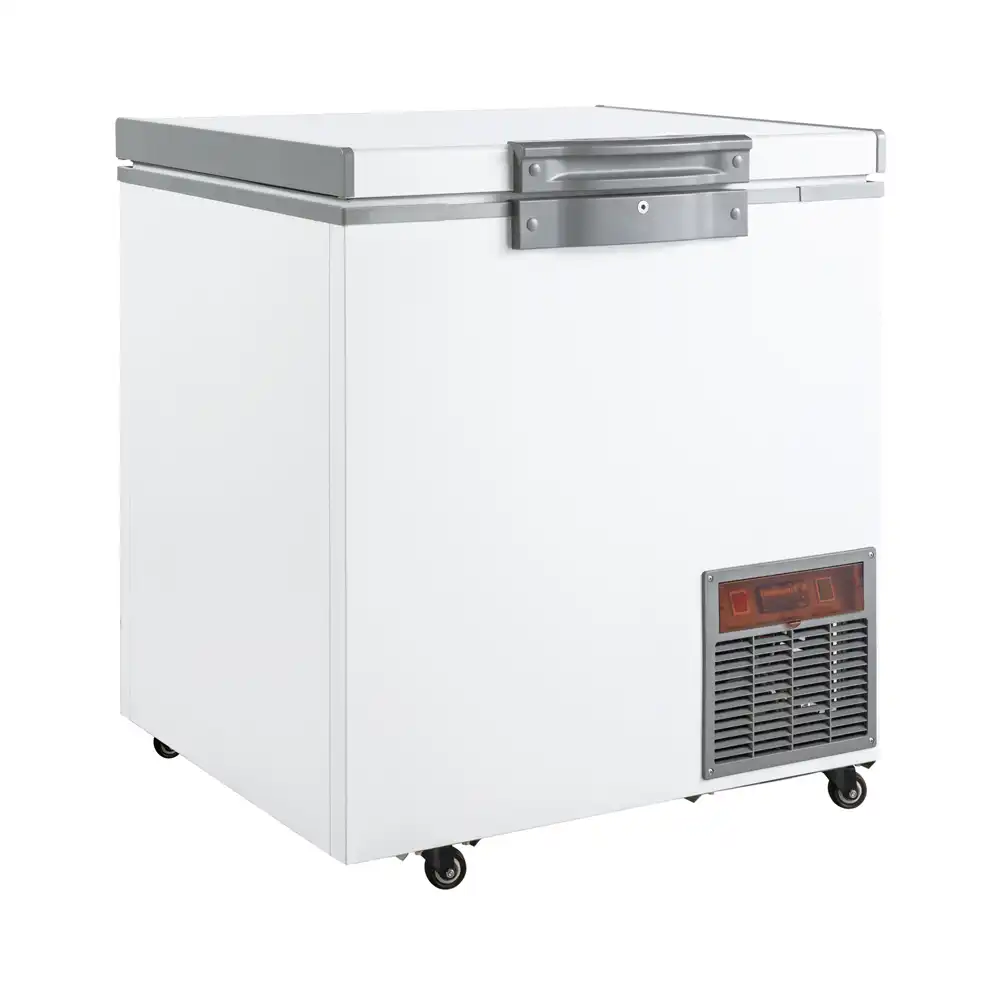
ZHEJIANG KAIMEI CATERING EQUIPMENT CO., LTD manufactures Blast Chillers designed for the demands of commercial kitchen operations. Our equipment ranges from compact countertop units suitable for smaller operations to large roll-in models for high-volume production facilities.
We provide consultation on equipment selection and layout planning, helping match blast chiller capacity and configuration to actual operational needs. Our technical team supports installation requirements including electrical, ventilation, and drainage specifications.
Contact us at +8618157202219 or Sales@hzcamay.com to discuss how blast chiller integration might fit your kitchen’s workflow and food safety requirements.
Common Questions About Blast Chiller Operations
What temperature targets apply to different food types during blast chilling?
The general standard is reducing food from 70°C to 3°C or below within 90 minutes. Dense proteins like large roasts may require longer cycles or smaller portion sizes to achieve this. Delicate items like seafood benefit from gentler cycles that prevent surface freezing. Local health codes sometimes specify different requirements, so checking applicable regulations for your jurisdiction is worthwhile.
How does blast chilling affect staffing and labor costs?
The primary impact comes from shifting prep work to off-peak hours. When food can be safely held for several days, kitchens can batch-cook during slow periods rather than preparing everything fresh during service. This reduces the number of staff needed during expensive peak hours and makes scheduling more predictable. The magnitude of savings depends on current workflow patterns and how much production can realistically shift to batch preparation.
Do blast chillers work with existing cook-chill production systems?
Blast chillers are essentially the cooling component of cook-chill systems. They integrate naturally with existing production workflows, providing the rapid temperature reduction that makes extended cold storage safe. The main consideration is matching blast chiller capacity to production volume—undersized equipment creates bottlenecks, while oversized equipment wastes capital and floor space.
What ongoing maintenance keeps blast chillers running reliably?
Daily interior cleaning prevents bacterial buildup and maintains airflow. Weekly inspection of door seals catches wear before it compromises temperature control. Monthly condenser cleaning removes dust and grease that reduce cooling efficiency. Professional service every three to six months should include refrigerant level checks, electrical connection inspection, and calibration verification. Consistent maintenance extends equipment life and maintains the energy efficiency that affects operating costs.