

Food texture after freezing comes down to one thing: ice crystals. Get them small and uniform, the product holds up. Let them grow large and jagged, and cell walls rupture. The difference between a berry that thaws firm and one that collapses into mush starts at the freezing stage. Rapid freezing technology controls this outcome by pushing temperatures down fast enough to prevent destructive crystal growth. For commercial operations, this translates directly into reduced drip loss, better shelf presentation, and products that actually taste like they should.
Ice Crystal Formation and What It Does to Cell Structure
The texture problems in frozen food trace back to physics. Water inside food cells expands as it freezes. When freezing happens slowly, water molecules have time to migrate and cluster together, forming large ice crystals with sharp edges. These crystals physically puncture cell membranes and rupture cell walls.
The damage becomes obvious at thaw. Ruptured cells cannot hold their internal fluids. Water that was once bound within the cellular matrix leaks out as drip loss. A piece of fish that loses 8% of its weight to drip loss will taste dry and stringy regardless of how it gets cooked. Berries turn to pulp. Meat develops that characteristic tough-yet-watery texture that signals poor freezing.
Rapid freezing changes the crystal formation pattern entirely. When temperature drops quickly through the critical zone between 0°C and -5°C, water molecules freeze in place before they can aggregate. The result is thousands of tiny ice crystals distributed evenly throughout the food matrix rather than a few large ones concentrated in specific areas. These small crystals fit within cellular spaces without rupturing walls. The microstructure stays intact.
Preventing Crystal Damage Through Speed
The mechanism is straightforward. Rapid freezing pushes food through the critical freezing zone fast enough that water molecules lock into position before they can migrate toward nucleation sites. This prevents the aggregation that creates large crystal structures.
The eutectic point matters here. This is the temperature at which all remaining liquid freezes. Getting past it quickly prevents secondary crystal growth that can occur when food lingers in the partially frozen state. Products that spend extended time in this zone develop progressively larger crystals as unfrozen water continues to migrate toward existing ice structures.
Small, uniformly distributed crystals cause minimal physical damage. Upon thawing, cells retain their structural integrity and hold their fluids. Drip loss drops significantly. The food maintains texture characteristics close to its pre-frozen state.
Freezing Speed and Measurable Quality Outcomes
The relationship between freezing speed and quality shows up consistently across multiple metrics. Texture evaluation reveals the most obvious differences. Slowly frozen products develop soft, mushy, or tough characteristics depending on the food type. Rapidly frozen products maintain firmness and natural mouthfeel.
Drip loss measurements provide hard numbers. Slow freezing routinely produces drip loss in the 5-12% range depending on the product. Rapid freezing typically holds this below 3%. For a commercial operation processing thousands of pounds daily, that difference represents significant yield improvement.
| Quality Metric | Slow Freezing Effect | Rapid Freezing Effect |
|---|---|---|
| Texture | Soft, mushy, or tough | Firm, natural |
| Drip Loss | High | Low |
| Flavor Retention | Reduced | High |
| Nutritional Value | Decreased | Maintained |
| Appearance | Discolored, less vibrant | Fresh, vibrant |
Flavor retention correlates with cellular integrity. When cells rupture, they release enzymes that continue reacting with food components even at frozen temperatures. This enzymatic activity degrades flavor compounds over time. Intact cells keep enzymes compartmentalized and inactive.
Color preservation follows similar logic. Pigment compounds remain stable within intact cellular structures. Ruptured cells expose pigments to oxidation and enzymatic browning reactions that dull appearance.
Rapid Freezing Technologies That Deliver Results
The science translates into specific equipment categories, each suited to particular applications and production scales. The common thread is achieving rapid temperature drops that minimize crystal growth time.
Cryogenic freezing uses liquid nitrogen or carbon dioxide to achieve the fastest temperature drops available. Contact with cryogenic media pulls heat from food surfaces almost instantaneously. This method excels with delicate products where even brief exposure to slower freezing would cause damage.
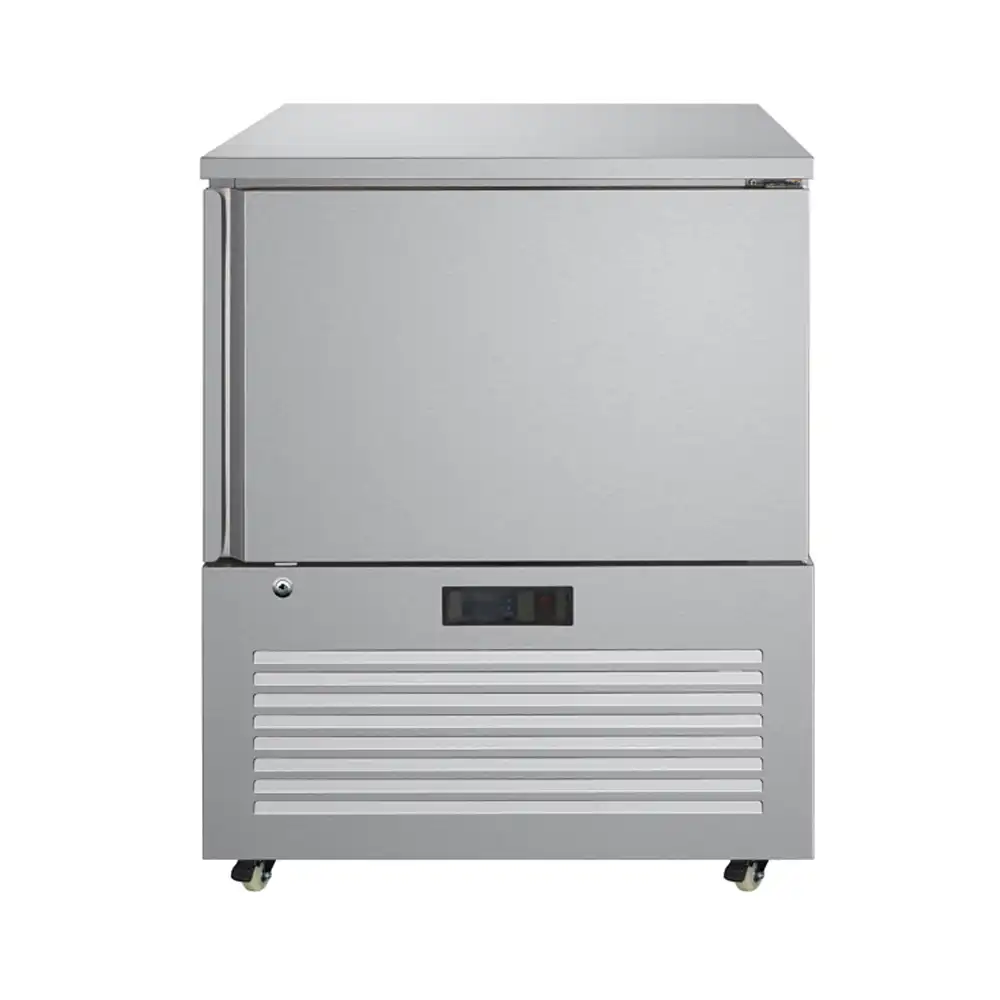
Blast freezing technology circulates high-velocity cold air around products. Air blast freezers and plate freezers represent the workhorses of commercial freezing operations. They balance freezing speed with operational practicality for high-volume applications.
Individual quick freezing separates products during the freezing process. Each piece freezes independently rather than in contact with neighboring items. This prevents clumping and ensures uniform freezing across all surfaces.
Immersion freezing submerges products in cold brine or other food-safe liquids. The direct contact with cold liquid provides faster heat transfer than air-based methods while avoiding the cost of cryogenic media.
Matching Methods to Delicate Products
Berries, seafood, and baked goods present particular challenges. Their structures damage easily, and their value depends heavily on appearance and texture. These products benefit most from the fastest freezing methods available.
Individual quick freezing works well for items that need to remain separate. Berries frozen in bulk contact each other and freeze together into solid masses. IQF keeps each berry distinct, maintaining shape and allowing easy portioning later.
Cryogenic freezing suits products where speed matters most. Shrimp frozen cryogenically retain their snap and translucency. The same shrimp frozen slowly develop a mealy texture and opaque appearance that signals poor quality to buyers.
The choice depends on production volume, product characteristics, and cost constraints. Cryogenic methods cost more per pound but deliver superior results for high-value items where quality commands premium pricing.
Commercial Advantages of IQF Processing
For operations handling large volumes of individual items, IQF technology solves multiple problems simultaneously. Products stay separate throughout freezing and storage. This eliminates the labor of breaking apart frozen blocks and prevents the damage that occurs during separation.
Portion control becomes straightforward. A food service operation can pull exactly the quantity needed without thawing excess product. This reduces waste and maintains quality for remaining inventory.
The texture benefits compound over storage time. Products frozen with minimal cellular damage maintain quality longer than those with compromised cell structures. The initial investment in IQF processing pays returns throughout the product’s frozen shelf life.
Energy and Shelf Life Considerations
Rapid freezing affects operational economics beyond product quality. Energy consumption patterns differ from slow freezing methods, and the extended shelf life of properly frozen products reduces waste costs.
Microbial growth stops at frozen temperatures. Enzymatic reactions slow dramatically. Both processes resume upon thawing, but the clock effectively pauses while products remain frozen. Products that enter the freezer with minimal cellular damage maintain quality longer because they have fewer compromised areas where degradation can begin.
The cold chain benefits from rapid freezing at the initial stage. Products that freeze quickly and completely resist temperature fluctuations better during storage and transport. Partial thawing and refreezing causes additional crystal growth, but products with intact cellular structures tolerate these stresses better than those already damaged.
Managing Freezing Curves for Efficiency
The freezing curve describes how temperature changes over time during the freezing process. Optimizing this curve balances speed against energy consumption and equipment capacity.
The critical zone between 0°C and -5°C demands the fastest transit possible. This is where most ice crystal formation occurs. Equipment that delivers maximum cooling capacity during this phase produces better results than systems that maintain constant cooling rates throughout.
Below the critical zone, continued cooling matters but speed becomes less critical. Some operations reduce cooling intensity after products pass -5°C, conserving energy while still achieving adequate final temperatures.
Understanding supercooling effects helps optimize the process. Water in food can remain liquid below its freezing point until nucleation triggers crystallization. Controlled nucleation at the right moment can improve crystal distribution and reduce total freezing time.
Food Safety Through Temperature Control
Rapid freezing contributes directly to food safety by minimizing time in the bacterial growth danger zone. Temperatures between 4°C and 60°C allow rapid bacterial multiplication. Every minute food spends in this range increases contamination risk.
Slow freezing keeps food in the upper portion of this range for extended periods. The surface may cool quickly, but the core temperature drops slowly. Bacteria continue multiplying in the warm interior while the exterior appears frozen.
Rapid freezing methods push core temperatures down quickly. The entire product passes through the danger zone in minutes rather than hours. This limits bacterial growth opportunity and reduces the microbial load in the final frozen product.
HACCP compliance requires documented temperature control throughout processing. Equipment that provides precise temperature monitoring and rapid cooling supports the documentation requirements that regulatory compliance demands.
Equipment Selection for Commercial Operations
Choosing commercial freezing equipment requires matching capabilities to specific operational needs. Capacity requirements, product types, temperature targets, and facility constraints all factor into the decision.
Commercial freezers for standard frozen storage applications typically operate in the -25°C to -15°C range. This covers most food preservation needs and uses conventional refrigeration technology. The Camay Commercial Worktop Refrigerator Cooler Fridge (Model MWTF-27-L) exemplifies this category, offering 202L capacity with R290 refrigerant and practical features like self-closing doors.
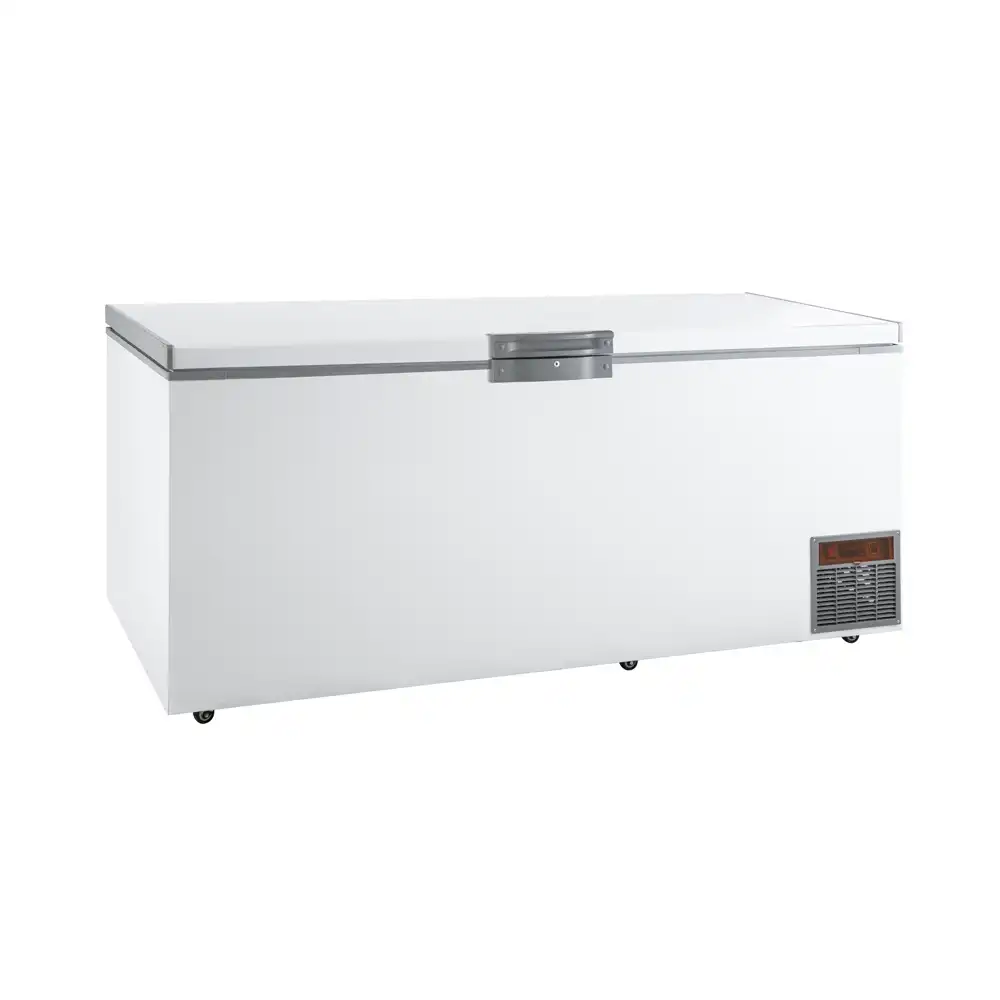
Ultra-low temperature requirements call for specialized equipment. The Ultra Freezer category includes models like the DW45W788, reaching -45°C with 768L capacity. These units serve applications requiring deep freezing beyond standard commercial ranges. Focus on commercial freezers to improve efficiency.
| Model | Classification | Inner Temperature | Capacity (L) | Refrigerant | Key Feature |
|---|---|---|---|---|---|
| MWTF-27-L | Freezer | -25°C to -15°C | 202 | R290 | Worktop, self-closing door |
| DW45W788 | Ultra Freezer | -15°C to -45°C | 768 | Mixed | Ultra-low temp, food-grade SS inner tank |
| MF-23 | Freezer | -25°C to -15°C | 547 | R290 | Adjustable shelves, fan-assisted |
| FB210A | Ice Maker | N/A | N/A | R290 | Cube ice production, self-cleaning |
| MSR-48M | Salad Prep | 0.5°C to 5°C | 368 | R290 | Salad prep, easy access lid |
Equipment selection affects long-term operational costs and product quality outcomes. Matching equipment capabilities to actual production needs avoids both undercapacity bottlenecks and overcapacity waste. If you’re interested, check 《Ultimate Buyers Guide for Commercial Reach In Refrigerators》.
Where Rapid Freezing Technology Is Heading
Development continues on multiple fronts. Energy efficiency improvements address both operational costs and environmental concerns. New refrigerant formulations reduce global warming potential while maintaining cooling performance.
Control systems are becoming more sophisticated. Real-time monitoring of product temperatures throughout the freezing process allows dynamic adjustment of cooling parameters. This optimization improves both quality outcomes and energy efficiency.
Research into ice crystal formation continues revealing new approaches. Techniques that influence nucleation patterns or modify the freezing environment show promise for even finer control over crystal size and distribution. Some approaches use electromagnetic fields or pressure variations to affect crystallization behavior.
Sustainable freezing solutions address the full lifecycle impact of refrigeration equipment. This includes refrigerant choices, energy consumption, equipment longevity, and end-of-life disposal considerations.
The Bottom Line on Rapid Freezing
Rapid freezing technology preserves food texture by controlling ice crystal formation at the cellular level. The physics are straightforward: fast freezing produces small crystals that fit within cells without rupturing them. Slow freezing produces large crystals that destroy cellular structure.
The practical benefits extend beyond texture. Reduced drip loss improves yield. Better appearance commands higher prices. Extended shelf life reduces waste. Improved food safety protects both consumers and business reputation.
Equipment choices should match specific operational needs. The right rapid freezing technology delivers measurable returns through improved product quality and operational efficiency.
Partner with ZHEJIANG KAIMEI for Advanced Refrigeration Solutions
Are you seeking to enhance your food preservation processes with cutting-edge rapid freezing technology? ZHEJIANG KAIMEI CATERING EQUIPMENT CO., LTD. is a Professional One-Stop-Shop Refrigeration Equipments Manufacturer. We offer custom refrigeration solutions tailored to your specific needs. Contact our refrigeration experts today to discuss your requirements.
Phone: +8618157202219
Email: Sales@hzcamay.com
Frequently Asked Questions About Rapid Food Freezing
Why is rapid freezing superior for preserving food texture compared to slow freezing?
Rapid freezing creates thousands of small ice crystals distributed evenly throughout the food rather than fewer large crystals concentrated in specific areas. Large crystals physically rupture cell walls during formation. When those damaged cells thaw, they cannot hold their fluids, resulting in drip loss and degraded texture. Small crystals fit within cellular spaces without causing structural damage. The food thaws with its cellular architecture intact, maintaining texture characteristics close to the fresh state. The speed of freezing determines crystal size because fast cooling locks water molecules in place before they can migrate and aggregate into large formations.
What are the key benefits of using Individual Quick Freezing (IQF) technology?
IQF freezes each item separately, which solves the clumping problem that plagues bulk freezing operations. Products remain distinct and easy to portion without breaking apart frozen masses. The individual freezing also ensures uniform treatment across all surfaces of each piece, producing consistent quality throughout a batch. Texture benefits are significant because each item freezes quickly without the insulating effect of contact with neighboring products. Drip loss stays low, appearance remains appealing, and flavor compounds stay locked within intact cells. For operations handling berries, seafood, vegetables, or other items sold by piece or portion, IQF delivers both quality and operational advantages.
How does rapid freezing contribute to extended shelf life and food safety?
Rapid freezing extends shelf life by quickly halting the biological processes that cause spoilage. Microbial growth stops at frozen temperatures. Enzymatic reactions that degrade flavor, color, and nutritional value slow dramatically. Products with intact cellular structures from rapid freezing maintain quality longer because they have fewer compromised areas where degradation can begin. From a food safety standpoint, rapid freezing minimizes time in the bacterial danger zone between 4°C and 60°C. Slow freezing keeps food in this temperature range for extended periods while the core gradually cools. Rapid methods push the entire product through this zone quickly, limiting bacterial multiplication opportunity and reducing contamination risk in the final frozen product.