

Keeping deli display refrigerators running properly affects everything from food safety to your monthly utility bills. Temperature swings ruin product, compressor neglect drives up energy costs, and skipped cleaning invites health inspectors you’d rather not see. This piece covers the technical side of maintenance—what actually matters, how often to do it, and where most operators slip up.
Temperature Control That Actually Protects Product
Getting temperature right in a deli display unit isn’t about hitting a number once and walking away. It’s about holding that number consistently, hour after hour, through door openings and ambient temperature shifts. Refrigeration units need to stay between 0.5°C and 5°C (33°F to 41°F). Freezer units require -22°C to -18°C (-8°F to 1°F). Drift outside these ranges and you’re looking at spoilage, shortened shelf life, and product that customers won’t buy twice.
Current refrigeration systems often include digital temperature controls with IoT and WiFi capability. These features let you monitor readings remotely and catch problems before they become expensive. The Camay Commercial Worktop Refrigerator Cooler Fridge uses this approach, allowing continuous oversight without someone physically checking the unit every few hours. Data logging matters here—not just for catching issues, but for demonstrating compliance if regulators come asking.
Getting Thermostats and Sensors to Tell the Truth
Sensors drift. Thermostats age. What reads 3°C on the display might actually be 6°C at the product level. This gap creates food safety problems that won’t show up until someone gets sick or product goes bad faster than expected.
- Check the display reading against a certified reference thermometer placed at product level.
- If readings differ, adjust the thermostat following manufacturer specifications.
- Look at sensor probes for physical damage, corrosion, or buildup.
- Clean probes regularly—debris interferes with accurate readings.
- Keep records of every calibration, including dates and any adjustments made.
This process catches problems before they affect product quality or trigger a health code violation.
Compressor and Condenser Work That Prevents Breakdowns
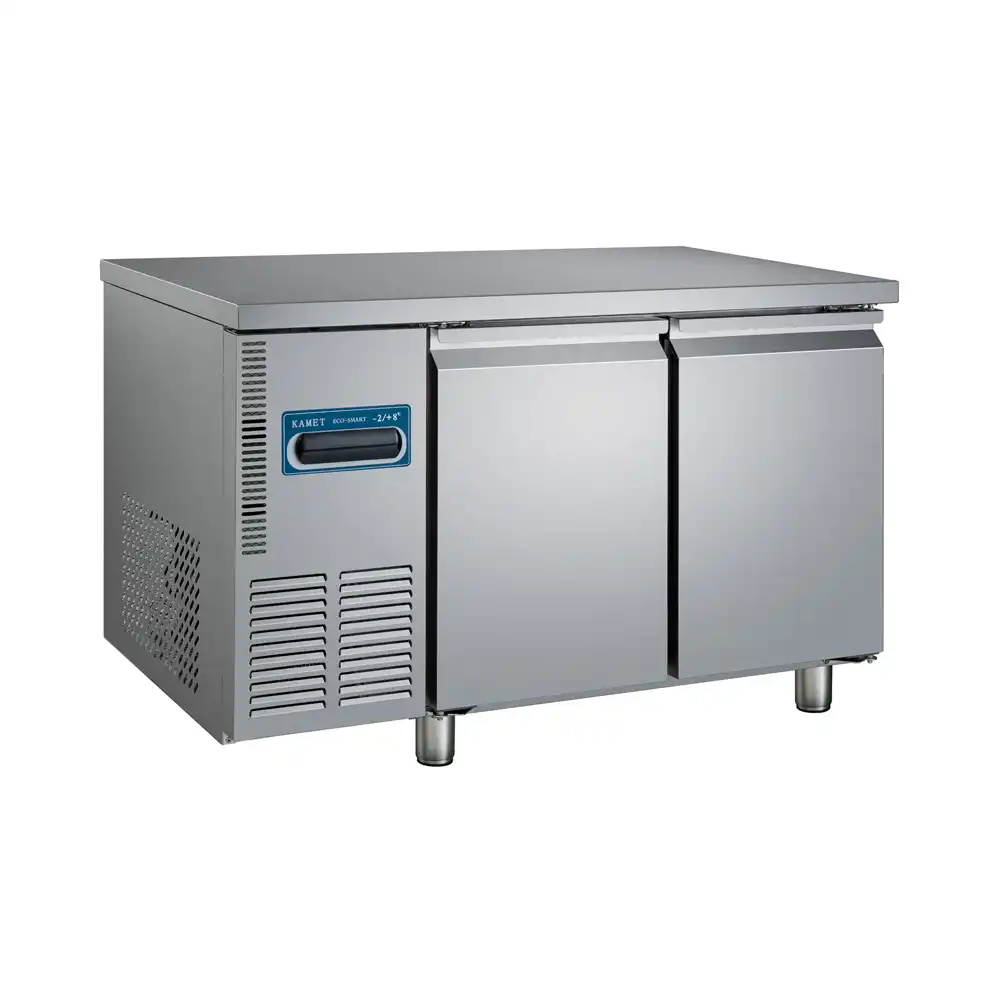
The compressor and condenser do the heavy lifting in any commercial refrigeration system. When these components struggle, energy consumption climbs and equipment life shortens. The Camay Commercial Undercounter Refrigerator uses a Cubigel compressor, which handles commercial workloads reliably—but even good hardware needs attention.
Airflow around the condenser unit matters more than most operators realize. Blocked ventilation forces the compressor to run harder and longer, burning more electricity and wearing out faster. Condenser coils collect dust, grease, and kitchen debris that act as insulation, preventing heat from dissipating properly. Monthly coil cleaning makes a measurable difference in efficiency. In greasy or dusty environments, clean them more often.
Listen to the unit. Unusual noises or vibrations often signal problems developing—worn bearings, loose components, refrigerant issues. A failing condenser fan motor can overheat the compressor if you don’t catch it early. Replacing a fan motor costs far less than replacing a compressor.
| Common Compressor Issues | Potential Causes | Solutions |
|---|---|---|
| Overheating | Dirty coils, poor ventilation, low refrigerant | Clean coils, ensure airflow, check refrigerant |
| Unusual Noises | Worn bearings, loose components, refrigerant issues | Inspect and replace parts, check refrigerant levels |
| Frequent Cycling | Low refrigerant, faulty thermostat, dirty coils | Address refrigerant, calibrate thermostat, clean coils |
| No Cooling | Compressor failure, electrical issue, leak | Professional diagnosis, repair or replacement |
Finding Refrigerant Leaks Before They Become Expensive
Refrigerant leaks reduce cooling capacity, increase energy consumption, and can damage compressors. They also carry environmental consequences and regulatory implications. Finding leaks early prevents all of these problems.
- Look for oil residue around connections, fittings, and coils—refrigerant oil often marks leak locations.
- Use electronic leak detectors to find small leaks that visual inspection misses.
- Perform pressure tests periodically to verify system integrity.
- Check that all fittings and valves are tightened to specification.
- Have a certified technician address any suspected leaks immediately.
Quick repair prevents refrigerant loss and keeps the system operating at designed efficiency.
Cleaning Protocols That Satisfy Health Inspectors
Sanitation in deli display refrigerators prevents bacterial growth and cross-contamination. The Camay Commercial Solid Door Undercounter features removable gaskets and rounded interior shelves specifically to make thorough cleaning practical rather than theoretical.
Daily cleaning should include wiping down shelves, walls, and glass with approved sanitizers. Weekly, remove all products and disassemble removable components for proper washing. This level of attention prevents biofilm buildup and keeps surfaces genuinely clean rather than just looking clean.
Use dedicated cleaning tools for different areas to prevent cross-contamination. Food-grade cleaning agents protect surfaces and avoid leaving residues that could affect product or trigger health concerns. Staff training on proper techniques makes the difference between cleaning that works and cleaning that just moves contamination around.
| Approved Cleaning Agents | Prohibited Chemicals |
|---|---|
| Food-grade sanitizers | Abrasive cleaners |
| Mild detergents | Bleach (undiluted) |
| Quaternary ammonium compounds | Ammonia-based cleaners |
| Hydrogen peroxide solutions | Solvents (e.g., paint thinner) |
| Non-abrasive natural cleaners | Highly acidic or alkaline solutions |
Electrical Troubleshooting That Prevents Downtime
Electrical problems in commercial refrigeration range from minor annoyances to complete system failures. Faulty wiring, malfunctioning thermostats, and compressor overload are common culprits. Units with smart digital temperature controls and IoT functions provide diagnostic data that helps identify issues faster.
Power supply stability affects everything. Voltage fluctuations damage electronic components and motors over time. Verify that the unit’s power supply meets specifications and consider surge protection in areas with unstable power.
Professional diagnostics become necessary for intermittent electrical issues or complex component failures. A compressor that won’t start might have a faulty start relay or capacitor—problems that require specialized equipment to diagnose properly. Checking wiring for fraying or loose connections, testing relays and capacitors, and examining control boards should happen during regular service visits.
Building a Maintenance Schedule That Actually Gets Followed
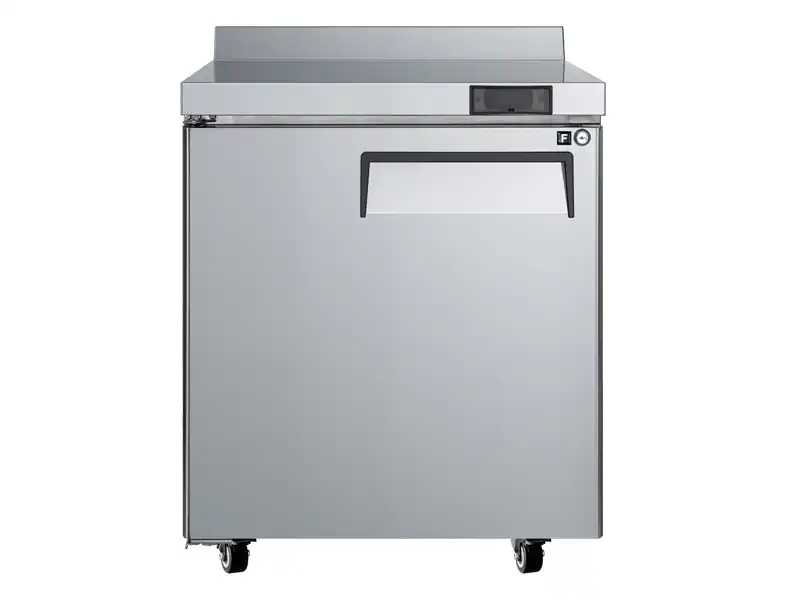
A maintenance schedule only works if people follow it. The structure needs to be realistic about who does what and how often. The Camay Commercial Worktop Refrigerator Cooler Fridge, with its stainless steel construction, holds up well under regular use—but even durable equipment needs consistent attention.
Digital record-keeping tracks inspection dates, service details, and parts replaced. This history helps identify patterns, predict when components will need replacement, and provides documentation for warranty claims or regulatory compliance. Paper logs get lost or forgotten; digital systems send reminders and maintain searchable records.
| Task Category | Frequency | Key Activities | Responsible Party |
|---|---|---|---|
| Daily Checks | Daily | Temperature log, visual inspection, surface wipe | Staff |
| Weekly Cleaning | Weekly | Interior wipe, door gasket inspection, drain check | Staff |
| Monthly Maintenance | Monthly | Condenser coil cleaning, fan inspection | Staff/Technician |
| Quarterly Inspection | Quarterly | Electrical check, refrigerant level, door seals | Technician |
| Annual Overhaul | Annually | Comprehensive system check, component testing | Technician |
Work With KAIMEI for Refrigeration That Performs
ZHEJIANG KAIMEI CATERING EQUIPMENT CO., LTD. manufactures commercial refrigeration equipment designed for the demands of deli operations. Contact us for systems built to last and support that helps you maintain them properly. Phone: +8618157202219 | Email: Sales@hzcamay.com
How often should a deli display refrigerator be serviced?
Professional servicing should happen at least twice a year. Between those visits, daily temperature logging and weekly cleaning keep things running properly. Usage intensity and environmental factors affect the right schedule—a busy deli in a dusty location needs more frequent attention than a low-volume operation in a clean environment. Catching small problems during routine checks prevents them from becoming expensive repairs.
What are common issues with deli display refrigerators?
Temperature fluctuations, excessive frost buildup, compressor noises, refrigerant leaks, and failing door seals show up most often. Each of these problems worsens if ignored. Temperature issues affect food safety directly. Frost buildup reduces efficiency and storage space. Compressor problems lead to complete failures. Refrigerant leaks increase operating costs. Door seal failures let cold air escape constantly. Regular inspection catches these issues while they’re still manageable.
How does proper maintenance impact food safety in delis?
Consistent temperature control prevents bacterial growth in perishable products. Regular cleaning eliminates contamination sources. Calibrated sensors ensure you’re actually maintaining safe temperatures rather than just thinking you are. Health regulations require documentation of these practices, and proper maintenance provides that documentation naturally. Beyond compliance, maintenance protects customers from foodborne illness and protects your business from the consequences of making people sick.