

Setting up a new restaurant kitchen takes more thought than most people realize. The layout you choose on day one will shape how your team moves, how fast orders go out, and whether you pass health inspections without headaches. Getting refrigeration placement wrong early means expensive fixes later. This checklist walks through what actually matters when building out a commercial kitchen that works.
Kitchen Planning That Actually Saves You Money
The difference between a kitchen that flows and one that fights you comes down to planning decisions made before any equipment arrives. Staff shouldn’t have to walk across the room for ingredients they need every five minutes. That sounds obvious, but it happens constantly in poorly designed spaces.
Refrigeration placement deserves attention early. Moving a walk-in cooler after installation costs thousands. Positioning prep coolers near workstations where cooks actually use them cuts down on wasted steps and keeps food at safe temperatures longer.
Space constraints hit urban restaurants hardest. When square footage costs premium rent, every inch needs to earn its place. Vertical storage, multi-function equipment, and smart zoning make tight kitchens workable.
Think about the path ingredients take from delivery truck to plate. Receiving flows to storage, storage to prep, prep to cooking line, cooking to service window. Dirty dishes need their own route that never crosses clean food paths. Getting this wrong creates contamination risks and slows everything down.
Equipment Worth Buying and Equipment That Wastes Money
Not all commercial kitchen equipment delivers equal value. Some pieces work hard for years. Others break down constantly or sit unused because they don’t match your actual menu needs.
| Category | Examples | Key Considerations |
|---|---|---|
| Cooking Equipment | Ranges, Ovens, Fryers, Grills | Fuel type, capacity, energy efficiency |
| Food Preparation | Worktables, Mixers, Slicers, Food Processors | Material durability, ease of cleaning, safety features |
| Refrigeration | Reach-ins, Walk-ins, Prep Tables | Temperature range, capacity, energy efficiency, certifications |
| Warewashing | Dishwashers, Sinks, Pot Washers | Water consumption, cycle time, space requirements |
| Storage | Shelving, Racks, Dry Storage Containers | Material, weight capacity, accessibility |
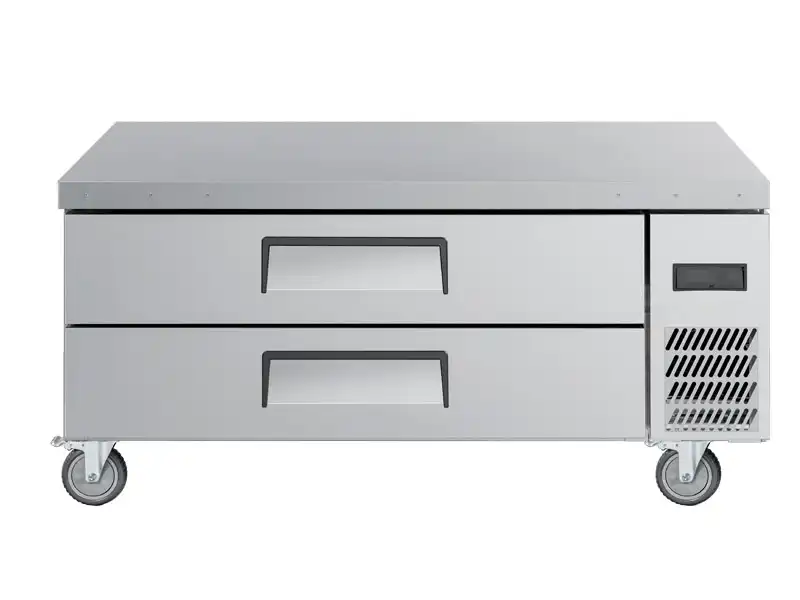
Chef Base units pull double duty by combining cold storage with a solid prep surface right where cooks need it. For pizza operations, Pizza Table refrigeration keeps toppings cold and accessible. Salad-heavy menus benefit from Semi Mega Salad Table setups that organize ingredients for quick assembly.
Picking Refrigeration That Won’t Let You Down
Different refrigeration types solve different problems. Reach-ins work for ingredients your team grabs throughout service. Walk-ins handle bulk storage and receiving. Display cases sell pastries and desserts by making them visible to customers.
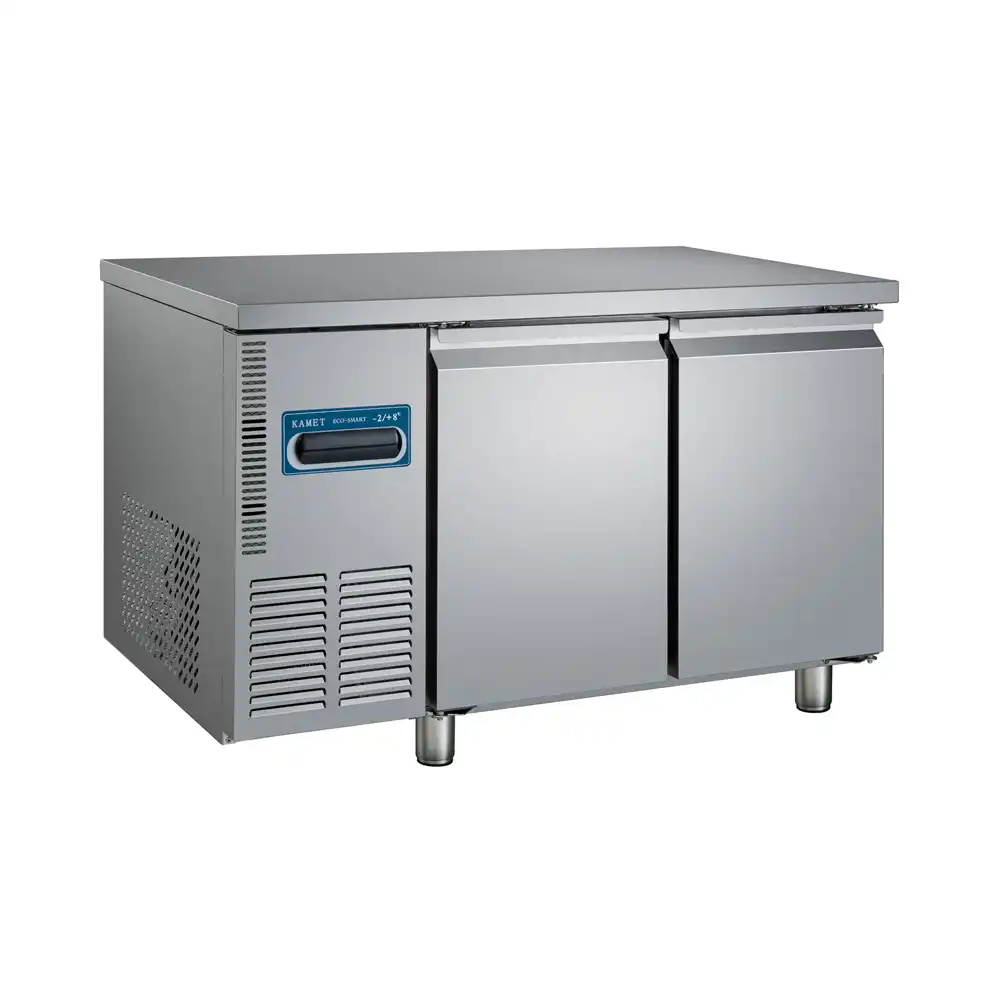
The Camay Commercial Worktop Refrigerator Cooler Fridge runs on R290 refrigerant, which means lower environmental impact and often better energy efficiency. Digital temperature controls take the guesswork out of monitoring. The Camay 60″ Countertop Refrigerated Chef Base gives you cold storage underneath a sturdy work surface, saving floor space while keeping ingredients within arm’s reach.
Bakeries and pastry programs need precise temperature control. The Commercial Bakery Refrigerator and Commercial Cake Display Cooler maintain the narrow temperature ranges that delicate items require. Under Counter models tuck into tight spaces, while Solid Door Freezer Cooler units provide reliable frozen storage.
For deeper guidance on refrigerator selection, [[《Choosing the Best Commercial Reach In Fridge for Your Restaurant》]] covers the specifics worth knowing.
Health Codes and What Inspectors Actually Look For
Health department approval isn’t optional, and the requirements aren’t arbitrary. Local food safety regulations exist because people get sick when kitchens cut corners. Permits and licenses need to be in place before you serve anyone. HACCP protocols provide the framework for preventing contamination.
Training matters as much as equipment. Every person touching food needs to understand why certain practices exist, not just follow rules blindly.
Layout Decisions That Pass Inspection
Zoning separates activities that shouldn’t mix. Raw meat prep happens away from ready-to-eat food. Dishwashing stays isolated from cooking areas. These separations aren’t suggestions.
Surface materials need to withstand constant cleaning. Porous materials harbor bacteria. Smooth, non-absorbent surfaces wipe clean and stay sanitary. Flooring should drain properly and resist the wear that comes from constant foot traffic and spills.
Equipment placement affects how easily staff can clean behind and underneath units. Inspectors notice when grease builds up in hard-to-reach spots.
Getting Through Your First Health Inspection
Start by submitting detailed kitchen plans to your local health department before construction begins. Pre-approval catches problems while they’re still cheap to fix.
All equipment needs NSF certification. This isn’t bureaucratic box-checking. NSF standards ensure equipment can be properly sanitized and won’t contaminate food.
Staff food safety certification programs vary by jurisdiction, but most areas require at least one certified manager on site. Complete these certifications before opening.
Run through your own pre-opening inspection using the same checklist health inspectors use. Fix problems before they become violations. Keep records of cleaning schedules and temperature logs from day one. Inspectors want to see documentation, not just clean surfaces.
Technology That Earns Its Cost
Kitchen management software tracks inventory, generates orders, and standardizes recipes. This reduces waste and catches theft. POS systems that connect directly to kitchen displays eliminate handwriting errors and speed up ticket times.
Smart refrigeration equipment with IoT connectivity allows remote temperature monitoring. When a cooler starts failing at 3 AM, you get an alert instead of discovering spoiled inventory the next morning. The data these systems collect helps identify patterns and optimize operations over time.
[[《Optimizing Kitchen Efficiency with Integrated Worktop Refrigeration》]] explores how connected equipment fits into broader kitchen operations.
Budgeting Without Fooling Yourself
Restaurant startup costs for kitchen buildouts run higher than most first-time owners expect. Equipment, installation, permits, and initial inventory all add up. Building in a buffer for unexpected expenses prevents cash flow crises during the critical opening period.
Energy-efficient refrigeration costs more upfront but reduces monthly utility bills for years. Calculate the total cost of ownership, not just the purchase price.
Equipment leasing spreads costs over time and preserves capital for other needs. Whether leasing makes sense depends on your specific financial situation and how long you plan to operate the equipment.
The Camay Commercial Worktop Refrigerator Cooler Fridge represents the kind of equipment that costs more initially but delivers lower operating costs and longer service life. That math works out in your favor over a five or ten year timeline.
What Happens After Opening Day
Opening isn’t the finish line. The first few months reveal what works and what needs adjustment. Regular operational audits identify inefficiencies that weren’t obvious during planning.
Staff feedback matters. The people working the line every day notice problems that management misses. Create channels for them to share observations without fear of criticism.
Ongoing training keeps standards high as staff turns over and regulations evolve. Monitor food waste, prep times, and equipment performance. Data shows where improvements are possible.
Partner with ZHEJIANG KAIMEI
ZHEJIANG KAIMEI CATERING EQUIPMENT CO., LTD. provides one-stop refrigeration solutions for commercial kitchens at every scale. Reach out for consultation on equipment selection and kitchen planning. Phone: +8618157202219 | Email: Sales@hzcamay.com
Common Questions About Restaurant Kitchen Setup
What equipment does a new restaurant kitchen actually need?
The specific list depends on your menu and volume, but every commercial kitchen needs cooking equipment (ranges, ovens, fryers), food prep stations, warewashing systems, and refrigeration. Refrigeration typically includes reach-in units for daily use, possibly a walk-in for bulk storage, and prep tables with built-in cooling. Match equipment capacity to your projected business, not your best-case scenario.
How do I design a kitchen layout that works and passes inspection?
Start with workflow. Map how ingredients move from receiving through storage, prep, cooking, and service. Create separate zones for different activities, keeping raw food prep isolated from ready-to-eat areas. Dishwashing needs its own space that doesn’t cross food preparation paths. Choose surfaces that clean easily and drain properly. Submit plans to your health department early and incorporate their feedback before construction.
What steps lead to health code approval?
Secure permits before construction begins. Design with sanitation requirements in mind, including proper ventilation, washable surfaces, and designated waste areas. Purchase NSF-certified equipment. Establish written protocols for food handling, storage temperatures, and cleaning schedules. Train all staff on food safety procedures and ensure at least one manager holds current food safety certification. Conduct your own pre-opening inspection using official health department checklists, then address any issues before the official inspection.