
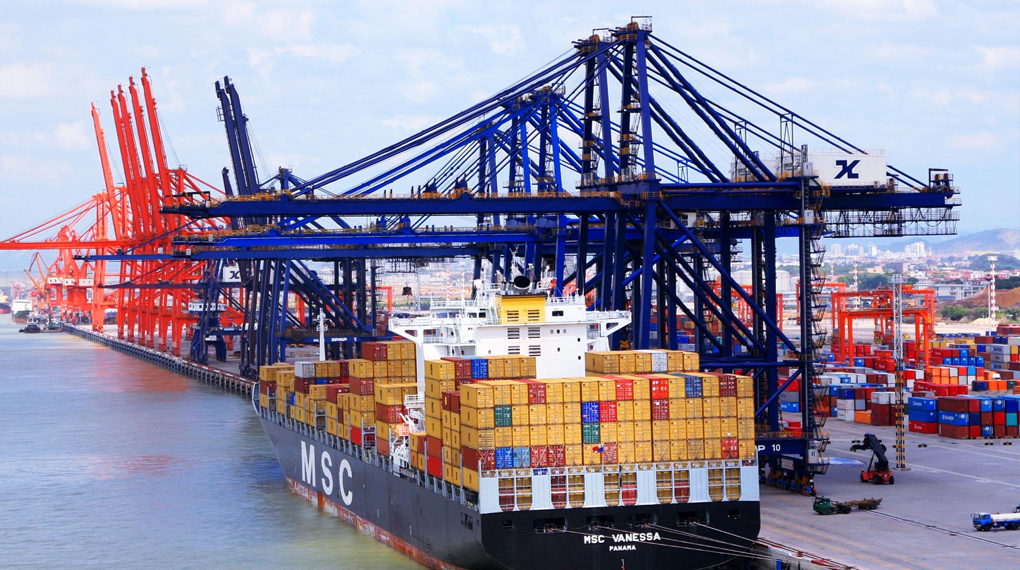
Running a commercial kitchen pulls a lot of power, which shows up as high utility bills for restaurants and sizable operating costs. Refrigeration, cooking, and ventilation are the biggest draws. The only way we’ve seen this turn around is with a deliberate plan to cut energy waste in food service and sharpen overall efficiency. With targeted fixes, the savings are real and sustainability improves alongside day-to-day performance.
Understanding Energy Consumption Challenges in Food Service
Commercial kitchens inherently demand substantial energy for daily operations. Refrigeration energy consumption, for instance, accounts for a significant portion of overall power usage due to continuous operation and the need to maintain precise temperatures. Similarly, cooking equipment energy use, particularly during peak hours, contributes heavily to high utility bills for restaurants. Beyond these primary culprits, inefficient ventilation systems and outdated lighting further exacerbate kitchen operational costs. This constant energy demand not only impacts profitability but also contributes to a larger environmental footprint. Understanding these pain points is the first step toward implementing effective energy-saving solutions for commercial kitchens.
Strategic Solutions for Sustainable Kitchen Operations
Implementing sustainable practices and advanced technologies is vital for reducing energy consumption in commercial kitchens. We focus on solutions that deliver both immediate and long-term benefits. These strategies encompass everything from upgrading core equipment to integrating smart management systems. Our goal is to provide concrete, actionable improvements that enhance efficiency and sustainability.
| Feature | Traditional Equipment | Energy-Efficient Equipment |
|---|---|---|
| Refrigerant | HFCs | R290 (Eco-Friendly) |
| Insulation | Standard Foam | Polyurethane/Cyclopentane |
| Compressor | Single Speed | Variable Speed |
| Controls | Manual | Smart Digital (IoT/WiFi) |
| Energy Rating | Lower | ENERGY STAR Certified |
Advanced Refrigeration and Storage Systems
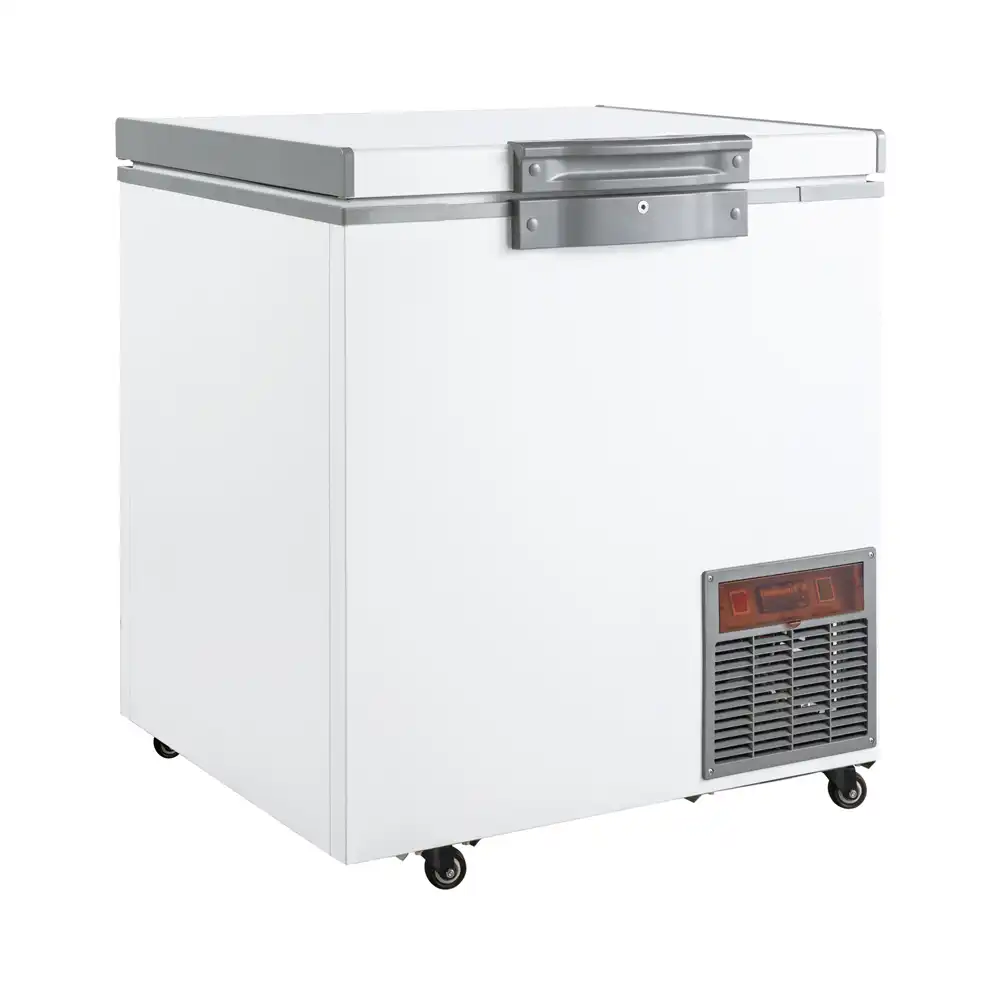
Modern refrigeration units incorporate technologies designed to significantly reduce energy load. Variable speed compressors adjust cooling output based on demand, preventing unnecessary energy expenditure. Enhanced insulation, often using polyurethane/cyclopentane, minimizes heat transfer, reducing the compressor’s workload. Smart defrost cycles, which activate only when necessary, further optimize performance. For example, our Camay Commercial Worktop Refrigerator Cooler Fridge (Model MWTF-27-L) utilizes eco-friendly R290 refrigerant and polyurethane/cyclopentane foamed insulation, significantly cutting energy consumption while ensuring optimal food preservation. The Camay Commercial Solid Door Undercounter (Model MTR-72) also features R290 refrigerant and foamed-in polyurethane insulation.
Optimizing Cooking and Heating Equipment
Cooking and water heating are major energy consumers in commercial kitchens. Induction cooking offers superior energy efficiency by directly heating cookware, minimizing heat loss. Energy efficient combi ovens combine multiple cooking functions, reducing the need for separate appliances and their associated energy demands. Instantaneous water heaters, or tankless water heaters commercial, heat water only when needed, eliminating standby energy losses. These technologies collectively reduce gas and electricity consumption.
For further insights into enhancing kitchen efficiency, consider exploring 《Boost Kitchen Efficiency Workflow Optimization with Chef Base Fridges》.
Quantifiable Benefits of Energy Optimization
Optimizing energy usage in commercial kitchens yields substantial, measurable benefits. These advantages extend beyond mere cost savings, impacting operational efficiency, environmental responsibility, and even the working conditions within the kitchen. We consistently observe that strategic investments in energy-saving solutions for commercial kitchens provide a strong business case.
Financial Returns and Operational Efficiency
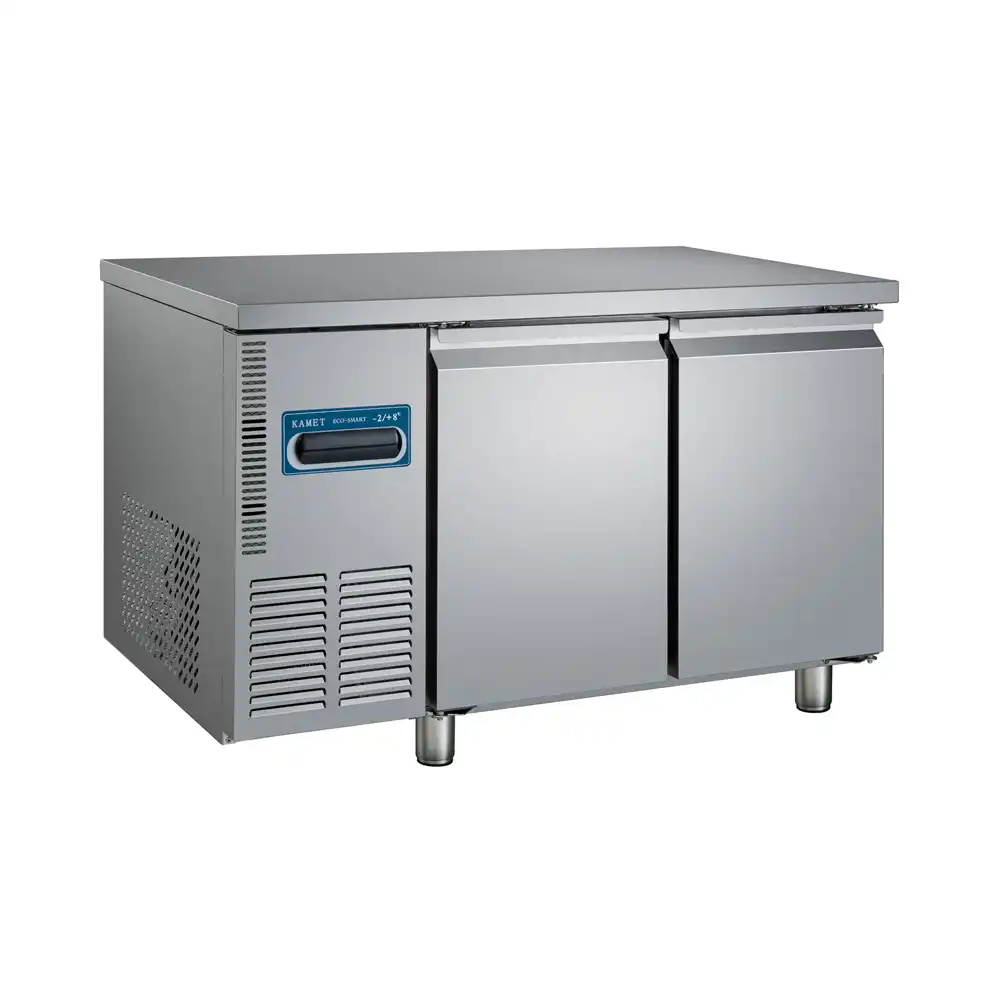
The most immediate benefit of energy optimization is the reduction in utility bills for restaurants. Energy-efficient equipment consumes less power, directly translating into lower monthly expenses. Beyond direct savings, these systems often require less maintenance, leading to maintenance cost savings in the kitchen and reduced downtime. The extended equipment lifespan of high-quality, energy-efficient units means fewer replacements and a better return on investment. For example, our Camay MTR-48 2-Door Commercial Undercounter Refrigerator, with its R290 refrigerant and polyurethane/cyclopentane insulation, is designed for long-term operational efficiency and reduced running costs.
Implementing a Comprehensive Energy Management Program
A successful energy management program requires a structured approach to assessment, implementation, and continuous monitoring. This ensures that energy-saving solutions are effectively deployed and their benefits are sustained over time. We guide our clients through each critical step to achieve maximum efficiency.
- Conduct a kitchen energy audit: Begin by identifying current energy consumption patterns and pinpointing areas of significant waste.
- Select appropriate energy-efficient equipment: Prioritize upgrades to high-usage appliances like commercial refrigeration and cooking units.
- Integrate smart kitchen energy management systems: Utilize IoT and WiFi-enabled controls for real-time monitoring and automated adjustments.
- Train staff on energy-saving practices: Educate employees on proper equipment usage, maintenance, and shutdown procedures.
- Implement continuous energy monitoring: Regularly track energy consumption to identify anomalies and ensure ongoing efficiency.
- Schedule routine maintenance: Ensure all equipment operates at peak efficiency through regular servicing.
For more information on optimizing kitchen workflow, read 《Boost Efficiency Energy Efficient Chef Base Units for Commercial Kitchens》.
Enhance Your Kitchen’s Efficiency
Improve your commercial kitchen’s performance and profitability with ZHEJIANG KAIMEI CATERING EQUIPMENT CO., LTD. As a professional one-stop-shop refrigeration equipment manufacturer, we offer cutting-edge, energy-efficient solutions designed for the modern food service industry. Contact us today at +8618157202219 or Sales@hzcamay.com to explore how our expertise can transform your operations and significantly reduce your energy footprint.
FAQs
What are the most impactful energy-saving solutions for existing commercial kitchens?
For existing commercial kitchens, the most impactful energy-saving solutions often involve upgrading to ENERGY STAR certified refrigeration and cooking equipment, implementing demand-controlled ventilation, and optimizing lighting with LEDs. These changes typically offer significant returns on investment by reducing energy consumption for commercial kitchens.
How can ZHEJIANG KAIMEI’s refrigeration equipment contribute to energy efficiency?
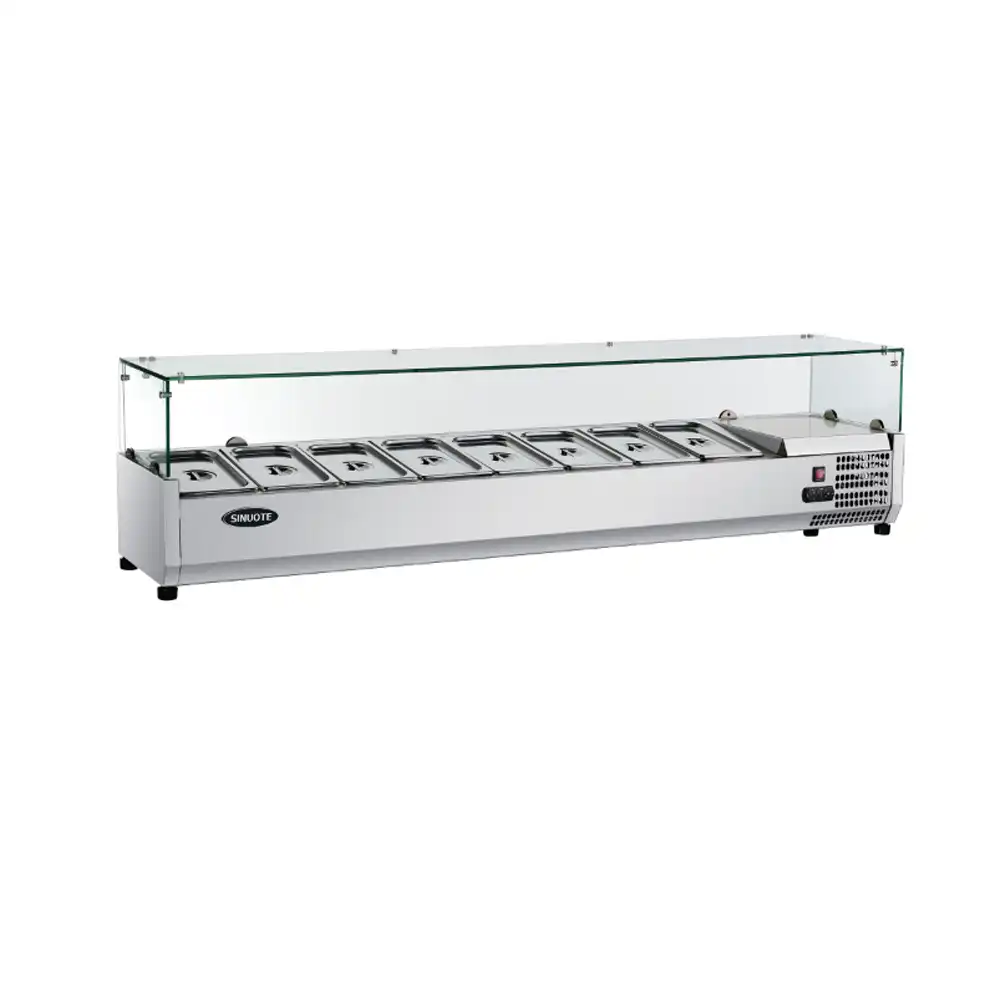
ZHEJIANG KAIMEI’s refrigeration equipment is engineered with advanced energy-saving technologies such as variable speed compressors, enhanced insulation, and smart defrost systems. These features significantly reduce power consumption, contributing directly to lower operational costs and improved overall energy efficiency in commercial kitchens. Our Under Counter and Work Top units exemplify this commitment.
What is the typical ROI for investing in energy-efficient commercial kitchen equipment?
The typical ROI for investing in energy-efficient commercial kitchen equipment can vary, but many upgrades see payback periods ranging from 1 to 3 years through reduced utility bills. Factors like local energy costs, equipment usage, and specific technology adopted influence the exact return on investment for energy-saving solutions.
Are there government incentives for commercial kitchens to adopt energy-saving solutions?
Many regions offer government incentives, rebates, or tax credits for businesses that invest in energy-saving solutions and energy-efficient equipment. It’s advisable for commercial kitchens to research local and national programs that support sustainable practices and reduce energy consumption.
Beyond equipment, what operational changes can improve kitchen energy efficiency?
Beyond equipment upgrades, operational changes like regular maintenance of HVAC and refrigeration systems, staff training on energy-saving practices (e.g., turning off equipment when not in use, proper door sealing), and optimizing kitchen layout for better airflow can significantly improve kitchen energy efficiency and reduce overall energy consumption.