

Understanding Food Safety Risks in Commercial Display Cabinets
Food safety tends to succeed or fail at the display cabinet. These units can safeguard product quality or quietly create hazards if temperatures drift, cleaning slips, or stock rotation stalls. Missed steps bring fines, reputational damage, and real risks to public health. We treat this as more than compliance. It is a day‑to‑day commitment to people. What follows covers contamination routes, the temperature danger zone, monitoring and calibration, cleaning routines, operational practices, legal obligations, staff training, how our Camay equipment supports these standards, and answers to common questions.
Common Contamination Pathways
Food can become contaminated within a display cabinet through various routes. Cross-contamination often occurs when raw foods come into contact with cooked or ready-to-eat items. Environmental factors, such as airborne particles or dirty surfaces, also contribute to contamination. Human error, including improper handling or inadequate hygiene, further exacerbates these risks.
Temperature Danger Zone Explained
The “temperature danger zone,” ranging from 4°C to 60°C (40°F to 140°F), is where bacteria multiply most rapidly. Maintaining precise temperatures in display cabinets is critical to prevent bacterial growth and ensure food safety. Refrigerated items must remain below 4°C, while hot items must stay above 60°C.
Essential Temperature Control for Food Safety
Accurate temperature management prevents bacterial growth and preserves food quality. Modern commercial display cabinets offer advanced technology to meet specific temperature requirements for diverse food products. We understand that consistent temperature control is the cornerstone of food safety.
Monitoring and Logging Temperatures
Effective temperature monitoring involves regular checks using digital thermometers. Automated logging systems provide continuous data, ensuring temperatures remain within safe limits. We advise maintaining detailed temperature logs to track performance and identify potential issues promptly.
Calibration of Thermometers
Proper calibration of thermometers is required for accurate readings and compliance with food safety standards. Regular calibration ensures that temperature measurements are reliable, preventing errors that could compromise food safety. For more details on maintaining your refrigeration equipment, you may find our article on 《Essential Maintenance Tips for Commercial Reach In Refrigerators》 helpful.
Hygienic Cleaning and Sanitization Protocols
Thorough cleaning and sanitization protocols are vital for maintaining a safe environment within commercial display cabinets. We differentiate between cleaning, which removes visible dirt, and sanitizing, which reduces harmful microorganisms. Both are crucial for food safety.
Daily Cleaning Procedures
- Wipe down all food contact surfaces.
- Clean glass panels with a food-safe cleaner.
- Sanitize all interior surfaces after cleaning.
- Clean exterior components to remove dust and grime.
- Ensure all cleaning agents are approved for food service use.
Deep Cleaning Schedules
Periodic deep cleaning addresses hard-to-reach areas and internal components. We recommend using appropriate sanitizers to eliminate pathogens effectively. A structured deep cleaning schedule prevents the buildup of contaminants that daily cleaning might miss.
Operational Best Practices for Safe Food Display
Day-to-day operational strategies significantly contribute to food safety in display cabinets. Proactive measures are essential to prevent contamination and spoilage. We implement best practices to ensure optimal food preservation and presentation.
Proper Food Placement and Storage
Arrange food items to prevent cross-contamination. Ensure adequate air circulation around products to maintain consistent temperatures. Separate raw and cooked foods, and manage allergens carefully to enhance safety.
First In, First Out FIFO System
The FIFO method for stock rotation ensures that older products are sold first. This practice minimizes waste and guarantees product freshness. Implementing FIFO systematically enhances inventory management and food safety.
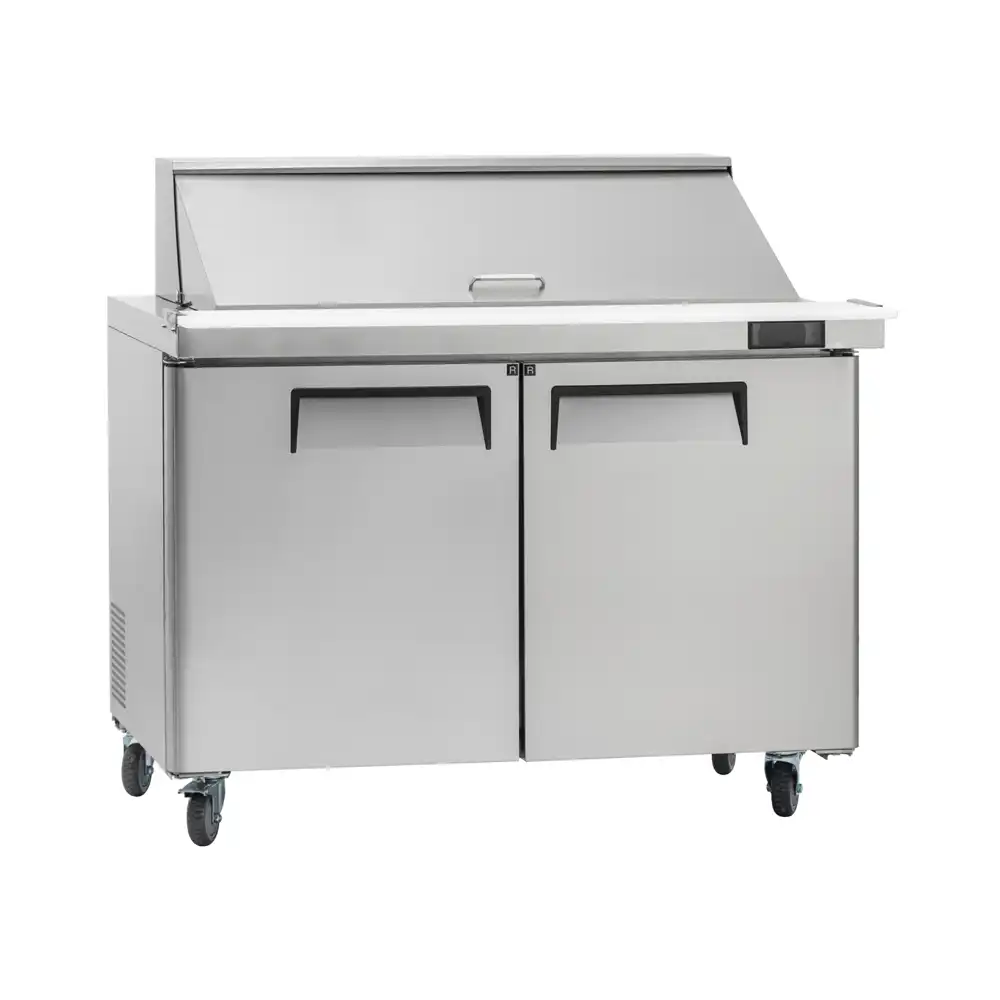
Regulatory Compliance and Staff Training
Adhering to regulations and empowering staff with knowledge are critical aspects of food safety. We prioritize both legal compliance and comprehensive employee training to maintain high standards.
Understanding Local Food Safety Laws
Businesses must comply with local health department requirements and inspections. Understanding these regulations is essential for avoiding penalties and ensuring safe operations. We stay informed about all relevant food safety laws.
Employee Training Programs
Effective food safety training programs cover personal hygiene, safe food handling, and emergency procedures. Well-trained staff are key to maintaining consistent food safety standards. For more insights into optimizing kitchen workflow, consider reading 《Boost Kitchen Efficiency Workflow Optimization with Chef Base Fridges》.
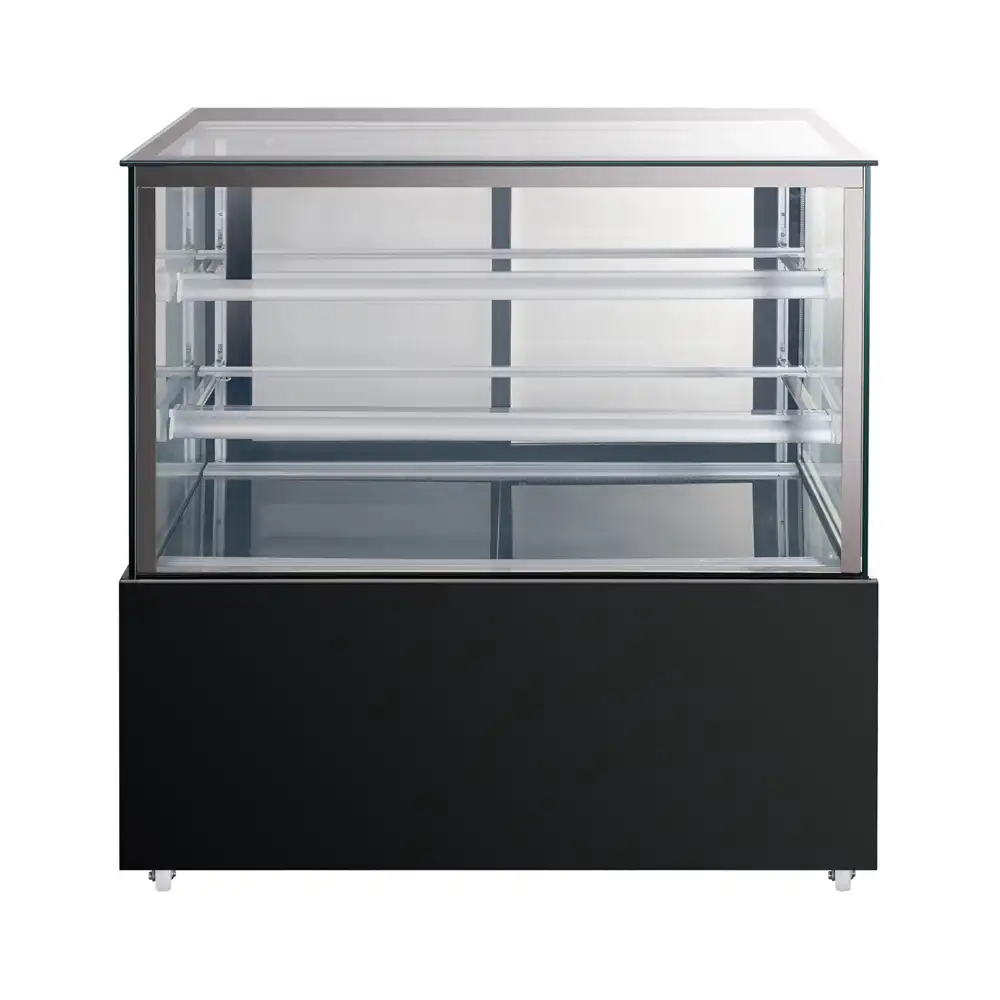
Product Spotlight: Camay Commercial Display Cabinets
Our commitment to food safety is reflected in the design and features of our commercial display cabinets. We offer a range of solutions engineered for reliable performance and hygiene.
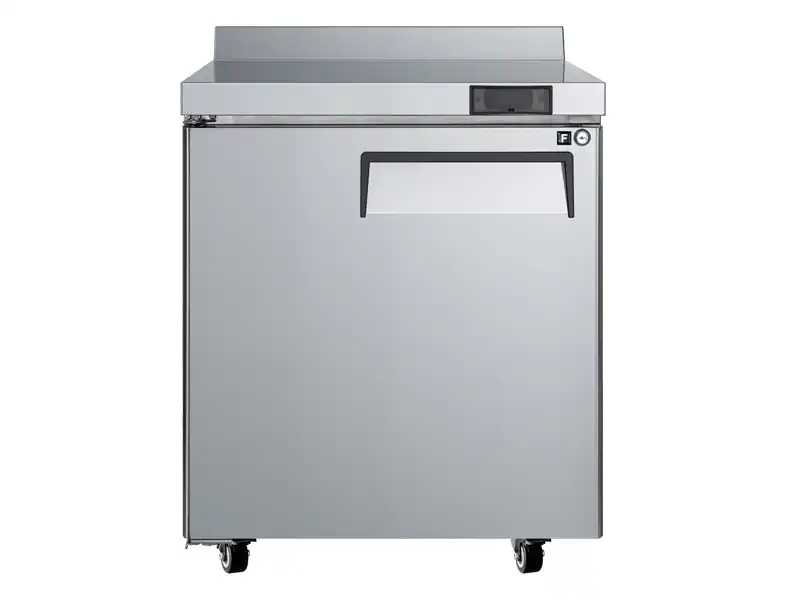
| Feature | Camay Commercial Worktop Refrigerator (MWTF-27-L) | Camay 60” Countertop Refrigerated Chef Base (MAR-60A) | Camay Countertop Refrigerated Display Case (MWTF-27) |
|---|---|---|---|
| Construction | Stainless Steel (Exterior/Interior) | Stainless Steel (Exterior/Interior) | Stainless Steel (Exterior/Interior) |
| Refrigerant | R290 (Eco-Friendly) | R290 (Eco-Friendly) | R290 (Eco-Friendly) |
| Temperature Range | -25°C to -15°C (Freezer) | 0.5°C to 5°C (Refrigerator) | 0.5°C to 5°C (Refrigerator) |
| Insulation | Polyurethane/Cyclopentane | Polyurethane/Cyclopentane | Polyurethane/Cyclopentane |
| Certifications | ETL, DOE, ENERGY-STAR, CE, ISO | ETL, DOE, ENERGY-STAR, CE | ETL, DOE, ENERGY-STAR, CE, ISO |
| Application | Commercial kitchens, restaurants | Home kitchens, baking studios, coffee shops | Restaurants, cafes, bakeries |
These products are designed with features like self-closing doors, optimal temperature control, and easy-to-clean surfaces to support stringent food safety requirements.
Call to Action
Ensure your commercial display cabinets meet the highest food safety standards with ZHEJIANG KAIMEI’s state-of-the-art refrigeration solutions. Contact us today for a consultation or explore our range of innovative display cabinets designed for optimal food preservation and hygiene. Phone: +8618157202219, Email: Sales@hzcamay.com
FAQs
What is the ideal temperature range for food in a commercial display cabinet?
The ideal temperature range for refrigerated food in commercial display cabinets is below 5°C (41°F) to inhibit bacterial growth and keep food safe. For hot food displays, the temperature should be maintained above 60°C (140°F).
How often should commercial display cabinets be cleaned?
Daily cleaning of food contact surfaces and external areas is recommended. A thorough deep clean, including internal components and hard-to-reach areas, should be performed weekly or bi-weekly, depending on usage and product type.
What are the signs of a food safety issue in a display cabinet?
Signs include unusual odors, visible mold or spoilage on food, excessive condensation or ice buildup, inconsistent temperatures, and malfunctioning refrigeration components. Immediate action is required if any of these signs are observed.
Can I use any cleaning product for my display cabinet?
No. Use food-safe cleaning and sanitizing agents that are approved for use on food contact surfaces. Avoid harsh chemicals that could leave residues or damage the equipment. Always follow manufacturer guidelines and local health regulations.
How does ZHEJIANG KAIMEI ensure food safety in its display cabinets?
ZHEJIANG KAIMEI CATERING EQUIPMENT CO., LTD designs its refrigeration units with advanced temperature control systems, easy-to-clean surfaces, durable materials, and efficient air circulation to minimize food safety risks and ensure optimal preservation. Our products are built to meet international food safety standards.