
We hear the same decision come up again and again: blast chiller or standard freezer. Both preserve food, but they do different jobs, and that difference shows up in safety, quality, and day-to-day efficiency. Choosing well influences workflows, compliance, and long-term costs, so it helps to understand how each system works, where it fits, and what it means for your kitchen.
Understanding the Fundamentals: Defining Blast Chillers and Standard Freezers
Selecting the appropriate refrigeration for a commercial kitchen starts with the core function of each system. We differentiate between blast chillers, built for rapid cooling, and standard freezers, intended for long-term frozen storage. Each plays a distinct role in food preservation and kitchen workflow.
1. What is a Blast Chiller? Unveiling Its Rapid Cooling Technology
A blast chiller rapidly reduces the temperature of freshly cooked or prepared food. It quickly moves food through the bacterial “danger zone” (40°F to 140°F or 5°C to 60°C). This process minimizes bacterial growth, extending shelf life and supporting food safety. Our blast chillers, like the Camay Blast Chiller, achieve efficient cooling with advanced technology.
2. What is a Standard Freezer? The Traditional Approach to Long-Term Storage
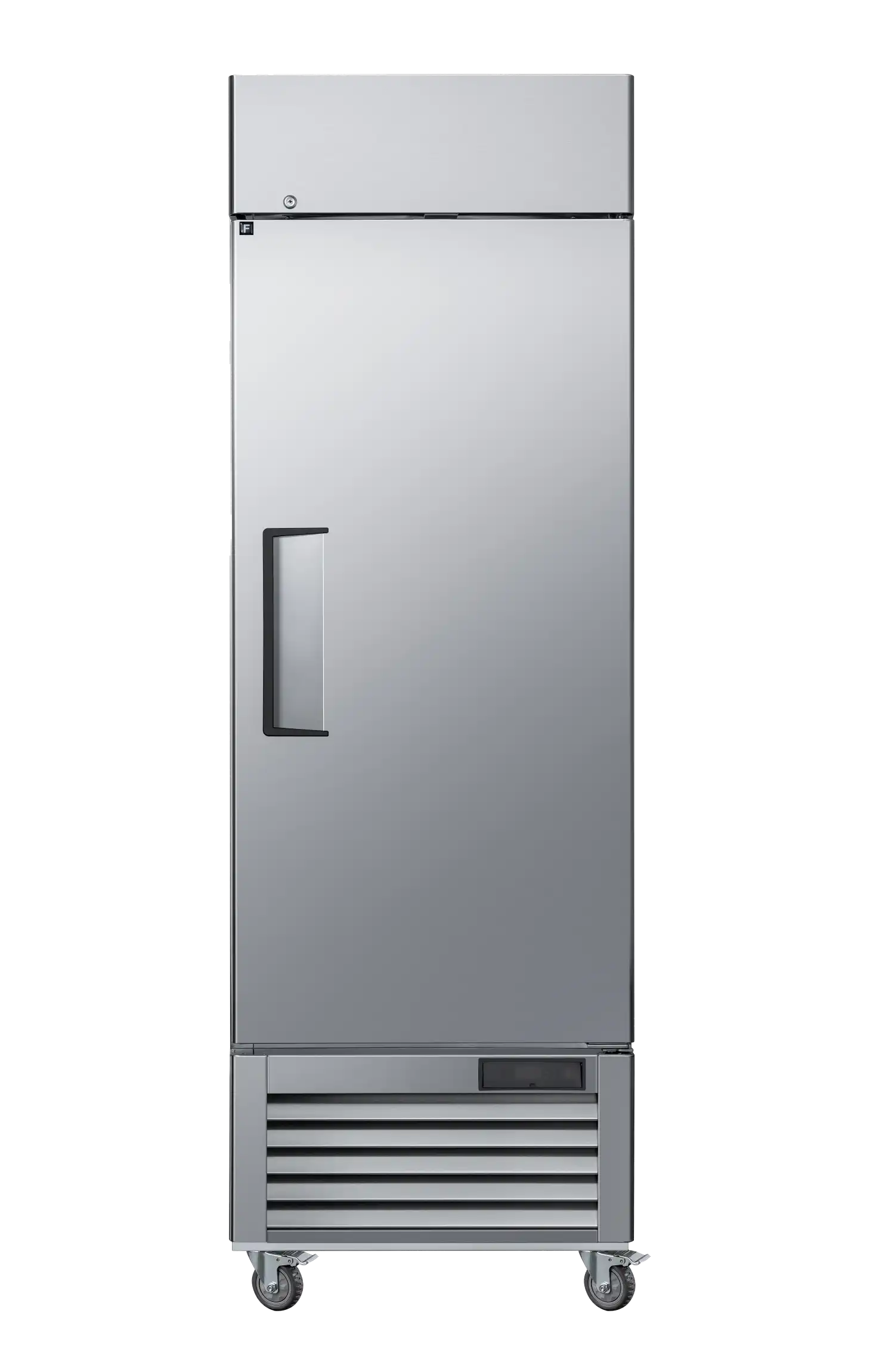
A standard freezer maintains food at consistently low temperatures for extended periods. It is designed for long-term preservation, slowing down spoilage and bacterial activity. Unlike blast chillers, standard freezers cool food gradually. This traditional method is effective for bulk storage and inventory management. Our range of freezers, including the Camay 1-Door Commercial Solid Door Freezer, offers reliable long-term storage solutions.
Critical Comparison Criteria: Speed, Food Safety, and Product Quality
When evaluating refrigeration solutions, we focus on several critical criteria. Cooling speed directly affects food safety by controlling bacterial growth. Product quality, including texture and flavor, is also strongly influenced by the chosen method. We analyze these factors to determine the optimal solution for various commercial kitchen needs.
1. Cooling Speed and Temperature Control: A Race Against Time and Bacteria
Blast chillers excel in rapid temperature reduction, cooling food from cooking temperatures to refrigeration or freezing temperatures within minutes or hours. This rapid cooling prevents harmful bacteria from multiplying, adhering to HACCP guidelines. Standard freezers, conversely, cool food slowly, which can allow bacteria more time to grow if food is not properly pre-cooled. The speed of a blast chiller sharply reduces food safety risks.
2. Impact on Food Quality: Preserving Texture, Flavor, and Nutritional Value
The method of freezing significantly impacts food quality. Rapid freezing by blast chillers forms smaller ice crystals, preserving the cellular structure of food. This maintains original texture, flavor, and nutritional value upon thawing. Standard freezers, with their slower freezing process, produce larger ice crystals that can damage food cells, leading to a loss of moisture, altered texture, and diminished taste. We prioritize solutions that uphold food integrity.
Operational Efficiency and Cost Considerations for Commercial Kitchens
Optimizing kitchen operations involves assessing both workflow efficiency and financial implications. We examine how different refrigeration solutions integrate into daily tasks and their long-term economic impact. This includes considering energy consumption and the overall return on investment.
1. Workflow Integration and Kitchen Productivity: Streamlining Your Operations
Integrating a blast chiller streamlines kitchen workflows, allowing chefs to prepare food in advance and cool it rapidly. This improves productivity by enabling batch cooking and reducing peak-hour stress. Standard freezers primarily offer storage, requiring separate cooling steps before freezing. The ability of blast chillers to quickly process hot food directly supports kitchen flow.
2. Energy Consumption and Long-Term Investment: Weighing the Financial Impact
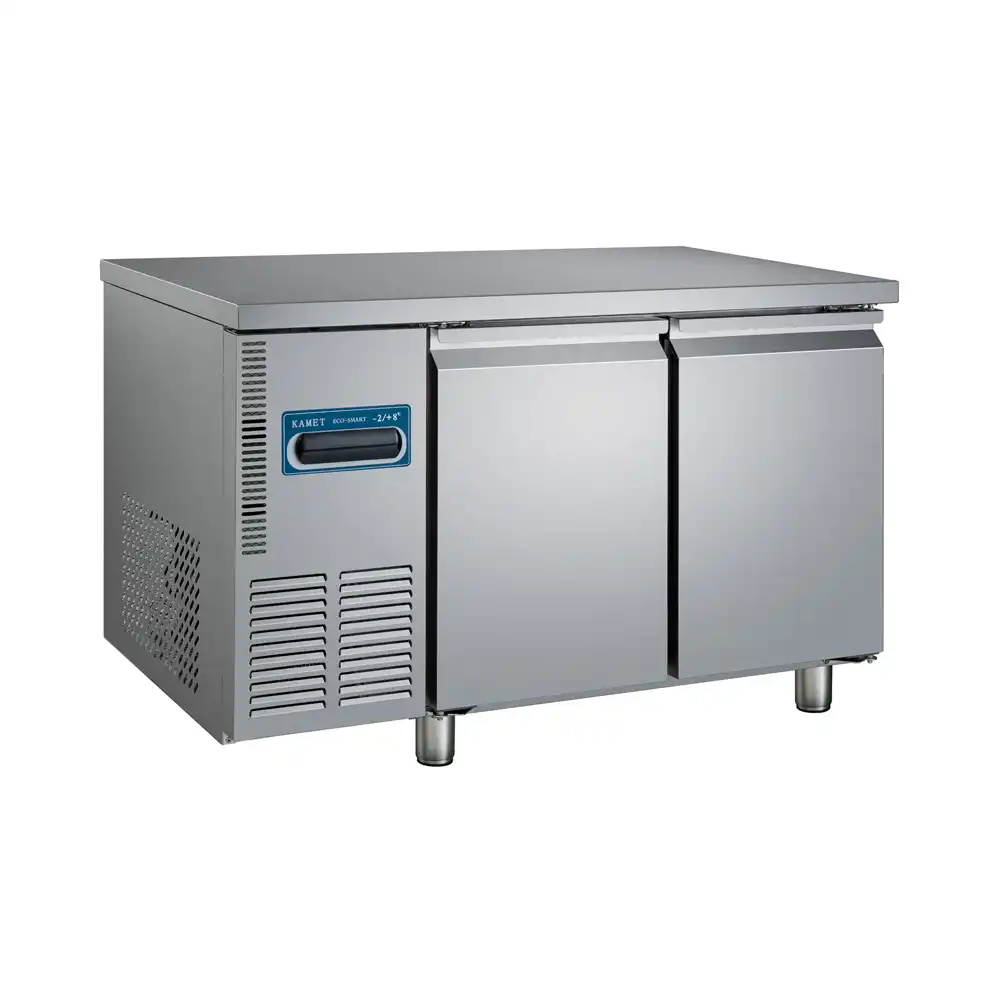
While blast chillers have a higher initial cost, their efficiency can lead to long-term savings. Rapid cooling reduces energy spent on extended refrigeration cycles. Standard freezers are generally less expensive upfront but may consume more energy over time if not properly insulated or maintained. We recommend considering the total cost of ownership, including energy efficiency and durability, for a sound investment. We offer a range of energy-efficient models, such as the Camay 60” Countertop Refrigerated Chef Base, which uses eco-friendly R290 refrigerant and polyurethane/cyclopentane insulation for reduced energy consumption. For more insights on optimizing kitchen efficiency, consider reading 《Optimizing Kitchen Efficiency with Integrated Worktop Refrigeration》.
Applications and Use Cases: When to Choose Each Refrigeration Solution
The choice between a blast chiller and a standard freezer depends on specific operational needs. We recognize that different commercial settings benefit from distinct refrigeration capabilities. Understanding these applications ensures optimal food handling and preservation.
| Feature | Blast Chiller | Standard Freezer |
|---|---|---|
| Primary Function | Rapid cooling and freezing | Long-term frozen storage |
| Cooling Speed | Very fast (hours) | Slow (several hours to a day) |
| Food Safety | Minimizes bacterial growth in danger zone | Maintains food safety once frozen |
| Food Quality | Preserves texture, flavor, nutrients | Can degrade texture due to large ice crystals |
| Typical Use | Cook-chill operations, catering, bakeries | Bulk storage, inventory, general frozen goods |
| Cost | Higher initial investment | Lower initial investment |
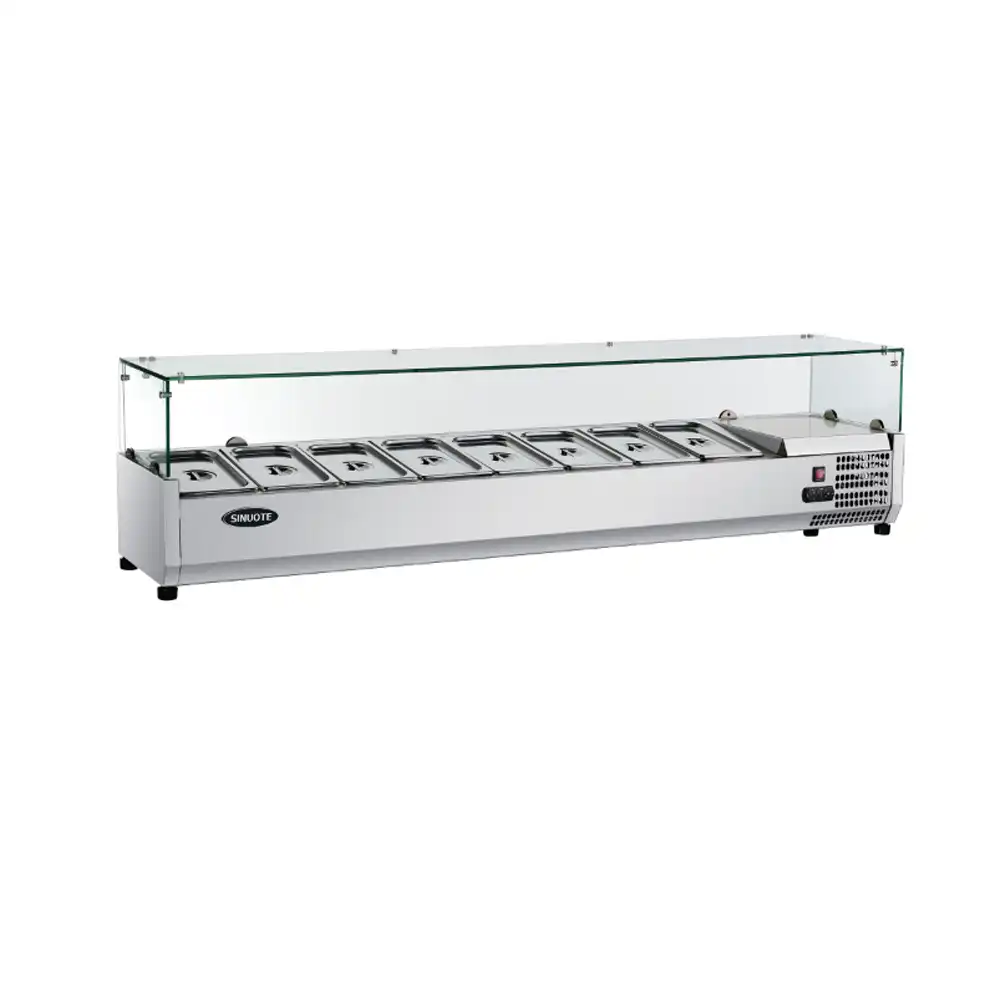
Blast chillers are ideal for operations requiring rapid cooling of large quantities of cooked food, such as catering services, large restaurants, and central production kitchens. They help kitchens adhere to HACCP food safety protocols. Standard freezers are best suited for long-term storage of ingredients, pre-made items, and bulk purchases where rapid cooling is not the primary concern. For example, a pizzeria might use a standard freezer for dough and toppings, but a blast chiller would be invaluable for rapidly cooling large batches of sauce. Our Pizza Prep Table models, like the VRX395-1600, combine prep surfaces with refrigeration for efficient operations. For businesses needing reliable long-term storage, our Solid Door Freezer Cooler units are excellent choices.
Making the Right Choice: A Decision-Making Framework for Your Business
Deciding between a blast chiller and a standard freezer involves evaluating your specific operational demands. We guide businesses through a framework that considers food volume, preparation methods, and regulatory compliance. This ensures the chosen refrigeration solution aligns with your kitchen’s unique requirements.
Consider the following:
- Volume and Frequency: If you regularly cook large batches of food that need to be cooled quickly, a blast chiller is a strong fit for efficiency and safety.
- Food Safety Regulations: Operations requiring strict adherence to HACCP guidelines will benefit from a blast chiller’s ability to rapidly pass through the danger zone.
- Product Quality: If preserving the texture, flavor, and nutritional integrity of your food is paramount, blast chilling is the superior method.
- Budget and Space: Evaluate your initial investment capacity and available kitchen space. While blast chillers offer significant advantages, standard freezers remain cost-effective for simple long-term storage.
- Workflow: Assess how each unit integrates into your current and desired kitchen workflow. A blast chiller can dramatically improve efficiency in cook-chill systems.
By carefully weighing these factors, you can make an informed decision that optimizes your kitchen’s performance and food safety. We offer a full Product Catalogue to help you explore all available options.
1. Can a blast chiller replace a standard freezer entirely?
While a blast chiller rapidly cools and freezes food, it is primarily designed for quick chilling to preserve quality and safety. It is not a direct replacement for a long-term storage freezer, which is built for maintaining stable frozen temperatures over extended periods. Many commercial kitchens utilize both for optimal efficiency and food preservation.
2. What are the main food safety benefits of using a blast chiller?
The primary food safety benefit of a blast chiller is its ability to rapidly move food through the “danger zone” (40°F to 140°F or 5°C to 60°C) where bacteria multiply most quickly. This significantly reduces the risk of foodborne illness, helps comply with HACCP regulations, and extends the safe shelf life of prepared foods.
3. Is a blast chiller worth the investment for a small restaurant?
The value of a blast chiller for a small restaurant depends on its menu, volume, and operational goals. If you frequently prepare food in advance, deal with high-value ingredients, or aim to reduce waste and improve food quality, a blast chiller can offer strong ROI through enhanced food safety, extended shelf life, and improved kitchen efficiency. Consider your specific needs and consult with refrigeration experts.
4. How does a blast chiller affect food texture compared to a standard freezer?
Blast chillers minimize the formation of large ice crystals by freezing food very quickly. Large ice crystals, common in slow freezing with standard freezers, can damage cell structures, leading to a loss of moisture, altered texture (e.g., mushy vegetables, dry meats), and reduced flavor upon thawing. Blast chilling helps maintain the original texture, flavor, and nutritional value of food.
Optimize Your Kitchen’s Refrigeration Today
Ready to optimize your kitchen’s refrigeration? Explore ZHEJIANG KAIMEI’s professional range of blast chillers and standard freezers. Contact our experts today at Sales@hzcamay.com or +8618157202219 for a personalized consultation and discover the perfect solution for your catering equipment needs.