
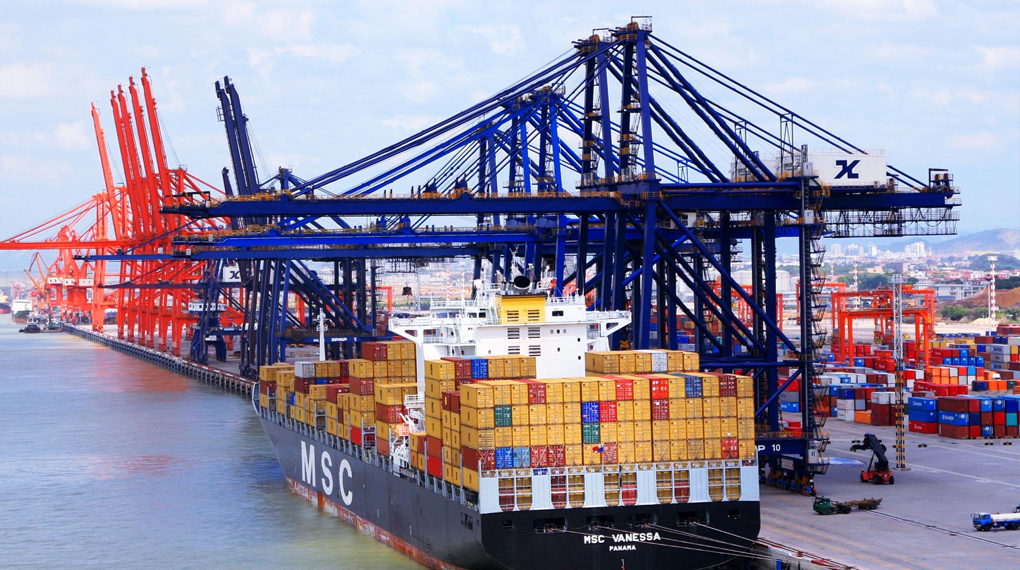
As someone who’s spent 28 years knee-deep in the refrigeration world, I can tell you firsthand: the water you use for commercial ice isn’t just important, it’s absolutely critical. Skip the filter, and you’re not just risking weird-tasting ice or cloudy cubes; you’re opening the door to serious food safety issues. For any business running commercial ice machines, putting a solid water filtration system in place isn’t just a good idea—it’s a non-negotiable must-have. We owe it to our customers, and frankly, to our own peace of mind, to get this right.
Why Water Quality is Critical for Commercial Ice Machines
The quality of water directly impacts the safety and performance of commercial ice machines. Many operators often overlook this crucial factor. We understand that clean, safe ice is as vital as any other food ingredient in your establishment.
1. Understanding the Risks of Unfiltered Water in Ice Production
Unfiltered water contains numerous impurities that compromise ice quality. These impurities include sediment, chlorine, dissolved minerals, and various microorganisms. Sediment and mineral deposits can accumulate within the ice machine, leading to operational inefficiencies and potential breakdowns. Chlorine, while used for water disinfection, can impart an unpleasant taste and odor to ice. More critically, bacteria, viruses, and other pathogens present in untreated water pose severe health risks to consumers. These contaminants can proliferate in the ice machine’s internal environment, turning a seemingly innocuous product into a source of illness. This directly impacts customer trust and the reputation of your business.
2. How Contaminants Affect Ice Quality and Food Safety
Contaminants manifest in several ways, visibly and invisibly, impacting both the aesthetic and safety aspects of ice.
1. Poor Taste and Odor: Chlorine and sulfur compounds in unfiltered water create off-tastes and odors in ice. This directly affects the quality of beverages and food items where ice is used.
2. Cloudy or Discolored Ice: Dissolved solids and sediment cause ice to appear cloudy or discolored. This diminishes its appeal and can lead customers to question its purity.
3. Equipment Damage and Increased Maintenance: Hard water minerals, like calcium and magnesium, lead to scale buildup on internal components. This reduces efficiency, increases energy consumption, and shortens the lifespan of the ice machine. Regular descaling becomes necessary, adding to maintenance costs and downtime.
4. Bacterial Growth and Health Risks: Microorganisms, such as bacteria and mold, thrive in warm, moist environments, including the interior of ice machines. Unfiltered water introduces these pathogens, which can contaminate ice. Consuming contaminated ice can lead to gastrointestinal illnesses and other health issues, posing a significant food safety hazard.
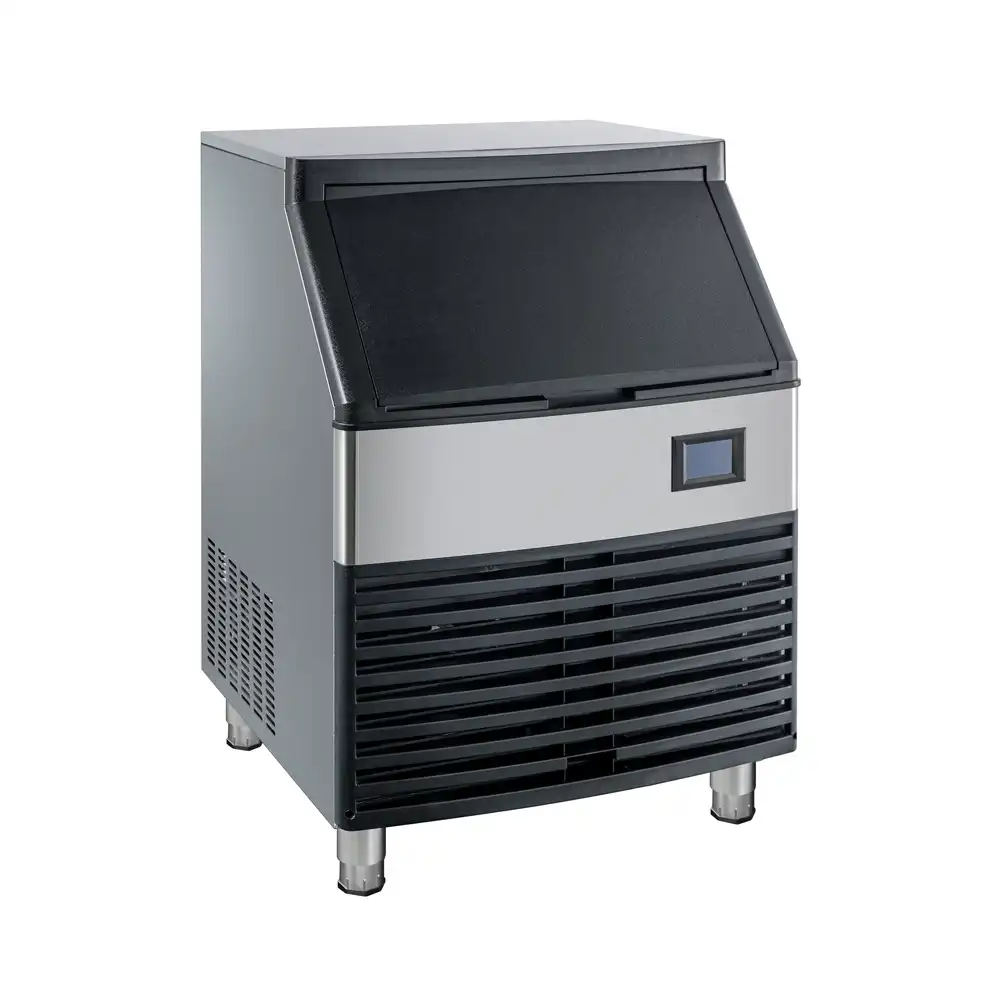
Proper water filtration is essential for maintaining optimal performance and ensuring the safety of your ice. Our Ice Maker products, like the FB210A Cube Ice Making Machine, are designed with internal food-grade components to minimize contamination risks, but external filtration remains paramount.
The Role of Advanced Filtration in Preventing Contamination
Advanced water filtration systems are the first line of defense against contaminants. They ensure that only clean, safe water enters your ice machine. This proactive approach safeguards both public health and your equipment investment.
1. Types of Water Filters for Commercial Ice Machines
Different filtration technologies target specific types of contaminants.
1. Sediment Filters: These filters remove larger particles such as dirt, rust, and sand. They prevent physical obstructions and protect downstream filtration stages.
2. Activated Carbon Filters: Carbon filters are highly effective at removing chlorine, chloramines, and organic compounds. They significantly improve the taste and odor of water.
3. Scale Inhibitors: These systems use polyphosphates or other chemicals to prevent mineral buildup. They extend the life of heating elements and evaporators by reducing scale formation.
4. Reverse Osmosis (RO) Systems: RO systems force water through a semi-permeable membrane, removing up to 99% of dissolved solids, salts, and microorganisms. They provide exceptionally pure water, ideal for high-quality ice production. However, RO systems can be less efficient in terms of water usage and may require remineralization for optimal ice hardness.
5. UV Sterilizers: Ultraviolet light systems neutralize bacteria, viruses, and other pathogens by disrupting their DNA. They provide an additional layer of microbial protection, especially in areas with known water quality issues.
2. How Filtration Systems Work to Protect Your Ice
Filtration systems operate through a multi-stage process, each stage addressing different contaminants. Water typically passes through a sediment filter first, removing coarse particles. Next, it flows through an activated carbon filter, which adsorbs chlorine and organic compounds. For hard water areas, a scale inhibitor might be integrated to prevent mineral deposits. In critical applications, an RO system further purifies the water, followed by a UV sterilizer for complete microbial inactivation. This layered approach ensures comprehensive protection against a wide spectrum of water impurities.
This systematic filtration process ensures that the water entering your ice machine is clean, pure, and safe. This directly contributes to the production of high-quality, safe ice.
Implementing Effective Water Filtration for Optimal Performance
Proper implementation of water filtration systems is crucial for maximizing their benefits. This involves careful selection, correct installation, and consistent maintenance.
1. Selecting the Right Filtration System for Your Ice Machine
Choosing the appropriate filtration system depends on several factors.
1. Water Quality Analysis: Begin with a comprehensive water test to identify specific contaminants present in your local water supply. This analysis guides the selection of filters targeting those impurities.
2. Ice Machine Type and Capacity: Different ice machines have varying water input requirements. Consider the daily ice production volume and the machine’s specifications to select a filter with adequate flow rate and capacity. For example, our FB210A Cube Ice Making Machine produces up to 100 kg of ice per day, requiring a filtration system capable of handling this volume efficiently.
3. Space and Budget: Evaluate the available space for installation and your budget constraints. Some advanced systems, like RO units, require more space and a higher initial investment.
4. Certifications: Look for filters certified by recognized organizations such as NSF International. These certifications ensure the filter meets strict standards for contaminant reduction and material safety.
The table below provides a general comparison of common water filtration types:
| Filter Type | Primary Contaminants Removed | Benefits | Considerations |
|---|---|---|---|
| Sediment Filter | Dirt, Rust, Sand | Protects other filters, prevents clogging | Does not improve taste/odor or remove chemicals |
| Activated Carbon | Chlorine, Odors, Organic | Improves taste/odor, removes chemicals | Does not remove minerals or microscopic particles |
| Scale Inhibitor | Calcium, Magnesium | Prevents scale buildup, extends equipment life | Does not filter other contaminants |
| Reverse Osmosis (RO) | Dissolved Solids, Pathogens | High purity water, superior ice quality | Slower flow rate, water waste, higher cost |
| UV Sterilizer | Bacteria, Viruses | Kills microorganisms | Does not remove particles, chemicals, or minerals |
2. Best Practices for Filter Installation and Maintenance
Correct installation and diligent maintenance are essential for the effective operation of any water filtration system.
1. Professional Installation: Have a qualified technician install the filtration system. Proper installation ensures correct connections, prevents leaks, and optimizes performance.
2. Regular Filter Replacement: Adhere to the manufacturer’s recommended replacement schedule for filters. Overdue filters lose effectiveness and can even release trapped contaminants back into the water stream.
3. Routine System Checks: Periodically inspect the entire filtration system for leaks, pressure drops, or any signs of damage. Address any issues promptly to prevent system failure.
4. Sanitization: Implement a regular sanitization schedule for your ice machine and filtration system. This prevents biofilm and microbial growth.
For more insights on maintaining your equipment, consider reading Essential Maintenance Tips for Commercial Reach In Refrigerators.
3. Regulatory Compliance and Health Standards for Ice Production
Adhering to regulatory standards is non-negotiable for commercial food service operations.
1. Local Health Codes: Familiarize yourself with local health department regulations regarding water quality and ice production. These codes often specify filtration requirements and maintenance protocols.
2. NSF Standards: NSF International develops public health standards and certification programs. NSF/ANSI Standard 42 covers aesthetic effects, while NSF/ANSI Standard 53 addresses health effects, including cyst and lead reduction. NSF/ANSI Standard 58 is specific to Reverse Osmosis drinking water treatment systems.
3. FDA Guidelines: The U.S. Food and Drug Administration (FDA) provides guidelines for ice as a food product. These guidelines emphasize the importance of safe water sources and proper sanitation practices.
Compliance with these standards protects your customers and avoids costly penalties and reputational damage.
Benefits of Superior Water Filtration for Your Business
Investing in superior water filtration yields substantial benefits beyond mere compliance. These advantages directly impact your bottom line and customer satisfaction.
1. Enhancing Food Safety and Customer Confidence
The primary benefit of effective water filtration is enhanced food safety. By removing harmful contaminants, you ensure that the ice produced is safe for consumption. This minimizes the risk of foodborne illnesses, protecting your customers and your business from legal liabilities and negative publicity. Consistent delivery of clear, clean, and tasteless ice builds customer confidence and reinforces your establishment’s commitment to quality. This positive perception translates into customer loyalty and positive word-of-mouth.
2. Extending the Lifespan and Efficiency of Your Ice Machine
Unfiltered water, particularly hard water, causes mineral buildup (scale) on critical components like evaporators and pumps. This scale acts as an insulator, forcing the ice machine to work harder and consume more energy to produce ice. Over time, this increased strain leads to premature wear and tear, necessitating costly repairs or even replacement of the entire unit. A robust filtration system, especially one with scale inhibition, prevents these issues. It reduces maintenance frequency and extends the operational lifespan of your ice machine. This results in significant cost savings on energy bills, repairs, and equipment depreciation.
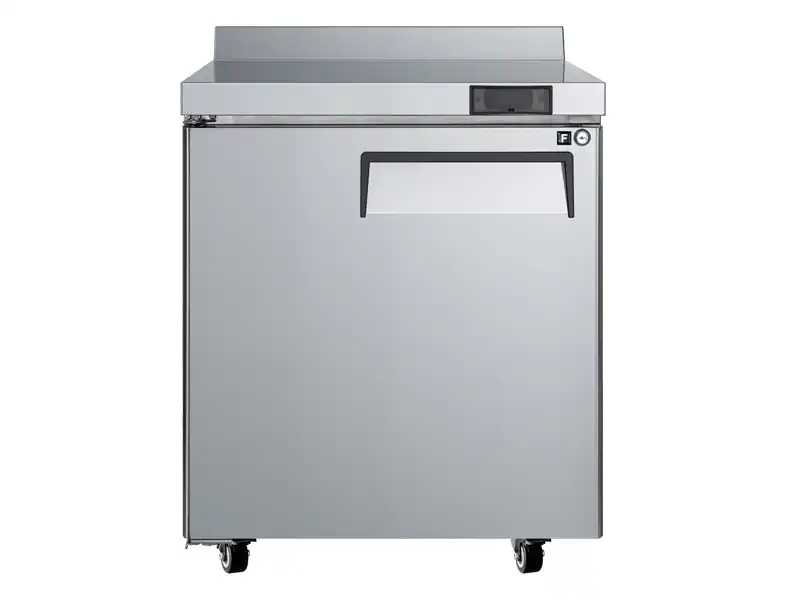
We recommend exploring our range of commercial refrigeration equipment to complement your ice production needs. For example, our Camay 60” Countertop Refrigerated Chef Base (MAR-60A) ensures optimal food preservation for ingredients used alongside ice.
3. Improving the Taste and Clarity of Your Ice
Customers notice the quality of ice. Cloudy, off-tasting ice can detract from the enjoyment of beverages and cocktails. Filtered water produces ice that is crystal clear, odorless, and free from any unpleasant tastes. This enhances the overall quality of your drinks and food presentations. Clear ice also melts slower, preserving the integrity of beverages for longer. This attention to detail elevates the customer experience and reflects positively on your brand’s commitment to excellence.
Partner with Us for Optimal Refrigeration Solutions
Ensuring food safety and operational excellence in your commercial kitchen requires reliable equipment and expert guidance. At ZHEJIANG KAIMEI CATERING EQUIPMENT CO., LTD, we provide high-quality refrigeration solutions designed to meet the rigorous demands of the food service industry. Our products, including advanced ice machines, are built for durability and performance. Contact us today to discuss your specific needs and discover how our expertise can benefit your business.
Phone: +86 181 5720 2219
Email: Sales@hzcamay.com
About the Author
David Qian brings 28 years of extensive experience in the refrigeration industry, specializing in commercial refrigeration equipment. His deep knowledge ensures practical and expert insights into maintaining optimal performance and food safety standards for commercial kitchen operations.
FAQs
1. How often should I change the water filter in my commercial ice machine?
The frequency of water filter replacement depends on water quality and ice production volume. Generally, manufacturers recommend changing filters every 6 to 12 months. However, in areas with poor water quality or high usage, more frequent changes, possibly every 3 to 6 months, might be necessary. Always consult your filter’s specifications and monitor ice quality.
2. What are the signs that my ice machine’s water filter needs to be replaced?
Several indicators suggest a filter replacement is due. These include a noticeable decrease in ice production, cloudy or discolored ice, an unpleasant taste or odor in the ice, and visible sediment in the water lines or ice bin. Reduced water pressure to the machine can also signal a clogged filter.
3. Can using filtered water improve the energy efficiency of my ice machine?
Yes, using filtered water significantly improves energy efficiency. Unfiltered water leads to scale buildup on the evaporator plates and other internal components. This scale acts as an insulator, forcing the compressor to work harder and longer to produce ice, thereby increasing energy consumption. Filtered water prevents scale, allowing the machine to operate at its designed efficiency.
4. Are there specific certifications I should look for in ice machine water filters?
Absolutely. Look for certifications from recognized organizations like NSF International. NSF/ANSI Standard 42 certifies filters for aesthetic improvements (taste, odor, chlorine reduction), while NSF/ANSI Standard 53 certifies health effects (lead, cyst, VOC reduction). These certifications ensure the filter meets stringent performance and safety criteria.
5. How does water filtration impact the overall food safety of my establishment?
Water filtration is fundamental to overall food safety. It removes pathogenic microorganisms, chemicals, and sediments from the water used to make ice. This prevents the introduction of contaminants into food and beverages, reducing the risk of foodborne illnesses. Clean ice maintains the integrity of drinks and food, upholding hygiene standards and protecting your establishment’s reputation.