

You know, after nearly three decades in the refrigeration game, I’ve seen just about everything when it comes to commercial kitchens. And if there’s one thing I’ve learned, it’s that getting your refrigeration right isn’t just about keeping food cold; it’s the bedrock of food safety, your kitchen’s smooth operation, and, frankly, your bottom line. I’ve watched kitchens thrive because they nailed their refrigeration, and I’ve seen others struggle, sometimes spectacularly, because they didn’t. It really boils down to preventing spoilage, sidestepping those nasty health risks, and, yes, even keeping your energy bills from going through the roof. Stick to the best practices, and you’ll find your food quality stays top-notch, your equipment lasts longer than you thought possible, and you’ll sail through those health inspections. So, consider this your comprehensive guide – a distillation of years of experience – on how to truly optimize your kitchen’s refrigeration systems.
Understanding the Critical Role of Refrigeration in Commercial Kitchens
1. Recognizing the impact of proper refrigeration on food safety and operational efficiency
When you boil it down, proper refrigeration is absolutely non-negotiable in any commercial kitchen. It’s the frontline defense against foodborne illnesses because it actively slows down bacterial growth. Think of it as your silent guardian. Beyond safety, maintaining those precise temperatures is a magic trick for extending the shelf life of your perishable ingredients, which, let’s be honest, means less food waste and more money staying in your pocket. From an operational standpoint, having reliable refrigeration means your product quality is consistent, your ingredients are always ready, and your kitchen hums along without a hitch. On the flip side, imagine the headache of inefficient systems: constant breakdowns, energy bills that make your eyes water, and the ever-present threat of health code violations. For us, providing robust, consistent cooling isn’t just about selling a unit; it’s about safeguarding your hard-earned reputation and, ultimately, your financial health.
2. Identifying common challenges in commercial kitchen refrigeration management
Commercial kitchens, bless their busy hearts, are practically a magnet for refrigeration challenges. You’ve got temperature fluctuations, for instance, which often sneak in because a door isn’t sealing quite right or someone’s crammed too much into a unit. That’s a direct threat to food safety, right there. Then there’s the energy drain from older, neglected equipment – a real budget killer. And let’s not even get started on inadequate cleaning; that’s a fast track to bacterial buildup and smells that’ll clear a room. Oh, and the dreaded unexpected equipment failure? That’s a service disruption waiting to happen, usually followed by a repair bill that makes you wince. Trust me, tackling these issues head-on, before they become full-blown crises, is the only way to keep things running smoothly and compliantly.
Implementing Optimal Temperature Control and Monitoring Strategies
1. Setting and maintaining ideal temperature ranges for different food types
Getting the temperature just right is paramount – a real make-or-break for both food safety and quality. Different foods, as you might expect, have their own sweet spots when it comes to temperature, all designed to keep spoilage and bacterial growth at bay. For most perishables, your refrigerators should be chilling between 0.5°C and 5°C (that’s 33°F and 41°F for those of us who think in Fahrenheit). Freezers, on the other hand, need to be seriously cold, typically holding steady between -22°C and -18°C (-8°F and 1°F). And here’s a tip I always give: grab a calibrated thermometer and check those settings regularly. Consistent temperatures aren’t just about safety; they’re what keep your food’s texture, flavor, and nutritional value exactly where they should be.
2. Utilizing smart digital temperature control systems for enhanced oversight
The world of commercial refrigeration has gotten pretty smart, hasn’t it? Modern units now come with these fantastic digital temperature control systems. They’re not just about precision; they offer continuous monitoring, which is a game-changer. Many even have optional IoT and WiFi connectivity, meaning you can keep an eye on things remotely and get real-time alerts if anything goes awry. This tech is a lifesaver for kitchen managers, allowing them to jump on potential issues before they turn into a mountain of spoiled food. Plus, these digital controls log all that temperature data, making compliance with health regulations a breeze.
3. Understanding the benefits of eco-friendly refrigerants like R290
You know, the industry’s been making a real push towards greener solutions, and refrigerants are no exception. We’re seeing a lot more R290 (that’s propane) these days, and for good reason. It’s got a super low Global Warming Potential compared to the old HFCs, which is a win for the planet. But it’s not just about being green; this natural refrigerant often makes units more energy-efficient, too. Take our Camay Commercial Worktop Refrigerator Cooler Fridge or the Camay 60” Countertop Refrigerated Chef Base, for example – they both use R290. Choosing these systems isn’t just about hitting your sustainability goals; it can actually save you a good chunk of change in energy costs over the long haul.
Establishing Effective Maintenance and Cleaning Protocols for Refrigeration Units
1. Developing a routine cleaning schedule for interior and exterior components
A solid cleaning schedule? That’s not just about hygiene; it’s about making your refrigeration units last. I always tell folks: clean the inside daily to stop food residue and cross-contamination in its tracks. Weekly, give the exteriors and door handles a good wipe down. And once a month, you really need to roll up your sleeves for a deep clean – get into all those internal components and seals. This routine isn’t just about preventing funky odors; it keeps things looking professional, too.
2. Ensuring proper airflow and condenser coil maintenance for efficiency
Good airflow is the lifeblood of efficient refrigeration. If you’ve got stuff blocking the unit or shelves so packed you can’t see daylight, you’re choking off that cold air circulation. That forces the compressor to work overtime, which is a recipe for higher bills and a shorter lifespan for your unit. And those condenser coils? They’re dust and grease magnets. A dirty coil is like trying to run a marathon with a blanket over your head – it just can’t cool efficiently, and your energy consumption goes through the roof. My advice: check them monthly, clean them quarterly, or whenever they look a bit grimy. It’s a simple step that pays dividends in equipment longevity and lower operating costs.
3. Recognizing the importance of removable gaskets and rounded corners for hygiene
Sometimes, it’s the little design details that make all the difference, and removable gaskets and rounded interior corners are prime examples. Those removable gaskets? They’re brilliant because you can really get them clean, preventing mold and bacteria from setting up shop. And rounded corners mean there are no nasty crevices for food particles to hide in, making internal cleaning so much easier and more effective. These aren’t just nice-to-haves; they’re absolutely critical for maintaining sanitary conditions and keeping the health inspector happy. Our Camay Commercial Worktop Refrigerator Cooler Fridge, for instance, has both – a small detail that makes a big impact.
Selecting the Right Commercial Refrigeration Equipment for Your Kitchen Needs
1. Evaluating different types of commercial refrigeration: worktop, undercounter, prep tables
Choosing the right refrigeration for your kitchen is a bit like picking the right tool for the job – it really depends on what you’re trying to achieve and the space you’ve got.
- Worktop Refrigerators: These are clever units, really. They give you refrigerated storage and a sturdy work surface, which is a godsend for smaller kitchens or busy prep stations. Our Camay Commercial Worktop Refrigerator Cooler Fridge is a good example of how they combine both functions seamlessly.
- Undercounter Refrigerators: If you’re tight on space, these are your best friends. They tuck neatly under existing countertops, making the most of every inch. We’ve got a range, like the Camay Commercial Undercounter Refrigerator (MTR-60) and the Camay MTR-48 2-Door Commercial Undercounter Refrigerator, that fit right in.
- Prep Tables: Now, these are specialized units, like those for pizza or salad. They integrate refrigeration with dedicated prep areas, which can seriously streamline your workflow. Think of the Camay 1.6m Pizza Prep Table Refrigeration or the Camay 13 Cuft Salad Storage Container for Fridge (MSR-48M) – they’re designed to make your life easier.
When you’re making your choice, always think about how much stuff you need to store, the space you have, and exactly what tasks you’ll be doing. And hey, if you want more insights, you should definitely check out Chef Base Fridge vs Undercounter Fridge Which Is Best for Your Kitchen.
2. Prioritizing durable stainless steel construction for longevity and hygiene
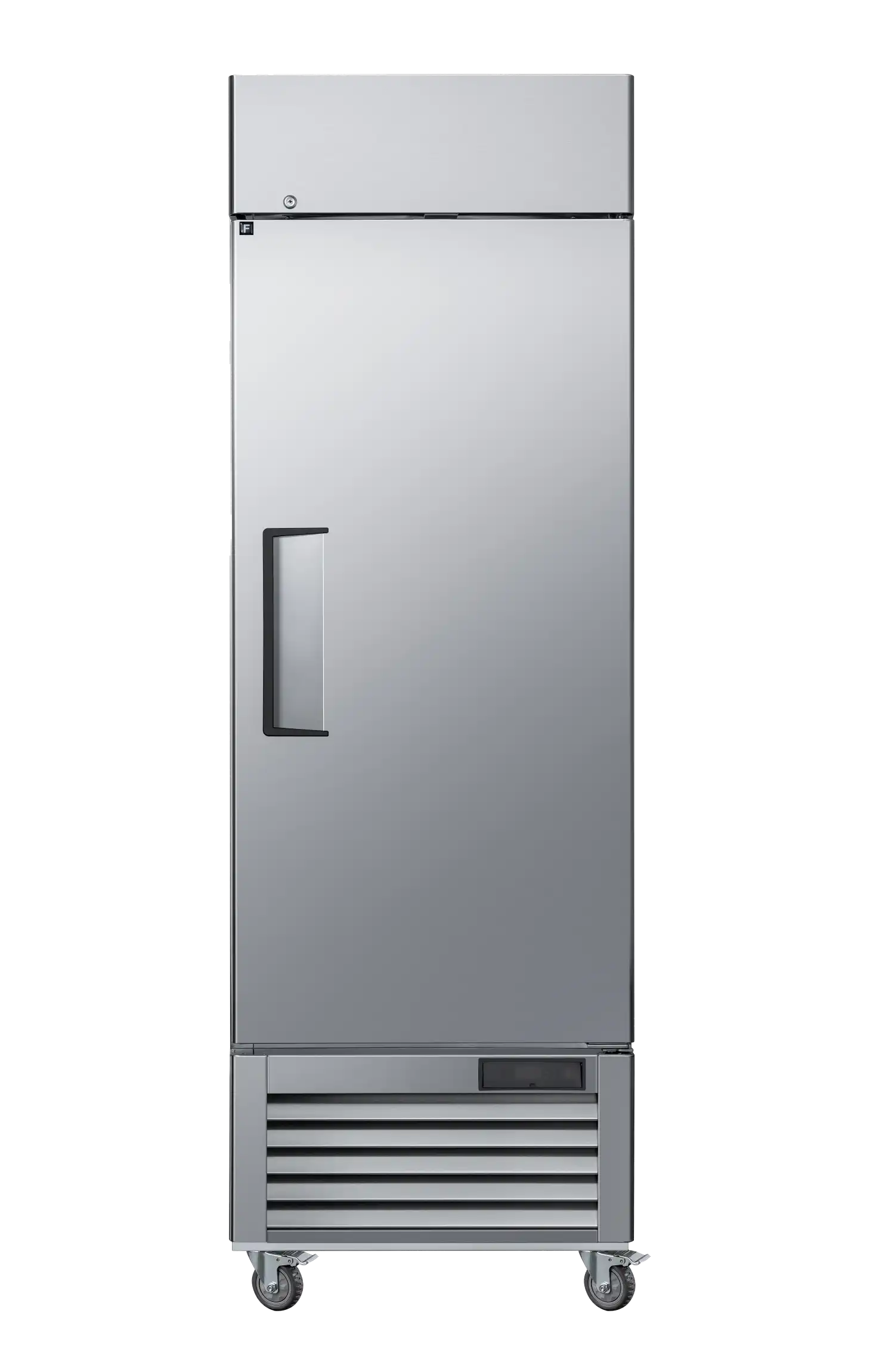
When it comes to quality commercial refrigeration, durable construction isn’t just a nice-to-have; it’s a fundamental requirement. And in this industry, stainless steel is the undisputed champion. It’s what we use for both interior and exterior components, and for good reason: it laughs in the face of corrosion, it’s a breeze to clean, and it’s tough as nails. This material is built to withstand the relentless demands of a commercial kitchen, ensuring your investment lasts and your hygiene standards never slip. Every single Camay refrigeration unit, without exception, boasts high-quality stainless steel construction. It’s our promise of reliable performance and that sleek, professional look.
3. Considering energy-efficient insulation and certified quality standards
Energy efficiency and certified quality aren’t just buzzwords; they’re absolutely critical considerations. When you’re looking at units, seek out those with top-notch insulation – stuff like polyurethane/cyclopentane foamed insulation. It’s a game-changer for cutting down energy consumption. And those certifications? ETL, DOE, ENERGY STAR, CE – they’re not just fancy labels. They’re your assurance that the equipment meets rigorous standards for safety, performance, and environmental responsibility. These certifications are a clear signal of reliability, they promise lower operating costs, and they confirm compliance with all those pesky regulations. Our products, like the Camay 60” Countertop Refrigerated Chef Base, proudly carry multiple international certifications, which, to me, just screams quality and efficiency.
| Feature | Camay Commercial Worktop Refrigerator (MWTF-27-L) | Camay 60” Countertop Refrigerated Chef Base (MAR-60A) | Camay 13 Cuft Salad Storage Container (MSR-48M) |
|---|---|---|---|
| Construction | Stainless Steel Interior & Exterior | Stainless Steel Interior & Exterior | Stainless Steel Interior & Exterior |
| Refrigerant | R290 | R290 | R290 |
| Temperature Range | -25°C to -15°C (Freezer) | 0.5°C to 5°C (33°F to 41°F) | 0.5°C to 5°C (33°F to 41°F) |
| Insulation | Polyurethane/Cyclopentane | Polyurethane/Cyclopentane | Polyurethane/Cyclopentane |
| Key Certifications | ETL, DOE, ENERGY-STAR, CE | ETL, DOE, ENERGY-STAR, CE | ETL Safety, ETL Sanitation (NSF Standard) |
| Special Features | Removable gasket, rounded corners | Sturdy integrated worktop, rounded corners | Removable gasket, rounded corners |
Optimizing Energy Efficiency and Sustainability in Commercial Refrigeration
1. Exploring advanced insulation technologies for reduced energy consumption
When we talk about cutting down on energy, advanced insulation is really where the magic happens. Units packed with high-density, CFC-free polyurethane or cyclopentane foam insulation create this incredible thermal barrier. What does that mean for you? It means less cold air escaping and less warm air sneaking in, so your compressor doesn’t have to work nearly as hard. Better insulation directly translates to lower electricity bills and, let’s be honest, a smaller footprint on the planet. We’re pretty proud that we build these advanced insulation materials into our entire product line – it’s all about maximizing those energy savings for our customers.
2. Leveraging automatic defrost systems and efficient cooling systems
Automatic defrost systems are a godsend, truly. They prevent that annoying ice buildup on evaporator coils, which means your unit keeps cooling optimally without you having to manually chip away at anything. This feature ensures consistent temperatures and cuts down on all that wasted energy from excessive ice. And then there are the efficient cooling systems, often ventilated, that do a fantastic job of circulating cold air evenly throughout the cabinet. That means no hot spots and everything stays at a safe temperature. These systems are a double win: they boost operational efficiency and save you money on energy. If you want to dive deeper into keeping your units in tip-top shape, I’d suggest reading Essential Maintenance Tips for Commercial Reach In Refrigerators.
3. Understanding the long-term cost benefits of energy-efficient models
Look, I get it. Sometimes, an energy-efficient commercial refrigeration unit might have a slightly higher price tag upfront. But trust me on this: that initial investment pays off handsomely in the long run. The amount you save on utility bills over the unit’s lifetime is substantial. Plus, these energy-efficient models often come with more durable components and cutting-edge technology, which means fewer breakdowns and lower maintenance costs down the road. It all adds up to a much better return on your investment and, frankly, a more sustainable operation overall. For a deeper dive into how these savings stack up, you really should check out Boost Savings with Energy Efficient Commercial Upright Freezers.
Partner with ZHEJIANG KAIMEI for Superior Refrigeration Solutions
If you’re serious about making sure your commercial kitchen runs like a well-oiled machine – efficiently and safely – then you really should talk to ZHEJIANG KAIMEI CATERING EQUIPMENT CO., LTD. We’ve got a whole lineup of top-quality, energy-efficient refrigeration solutions, all crafted specifically for the modern commercial kitchen. Whether you need worktop refrigerators, chef bases, or prep tables, our products meet the toughest international standards and, yes, they use those eco-friendly refrigerants we talked about. Don’t hesitate to reach out today; let’s chat about your specific needs and find the absolute perfect refrigeration equipment for your business.
Phone: +86 181 5720 2219
Email: Sales@hzcamay.com
About the Author
David Qian has a background in refrigeration equipment and 28 years of experience in the refrigeration industry. His expertise encompasses the design, manufacturing, and maintenance of commercial refrigeration systems, ensuring optimal performance and compliance with industry standards.
FAQs
1. What is the ideal temperature range for commercial refrigerators?
You want your commercial refrigerators to consistently hold between 0.5°C and 5°C (that’s 33°F and 41°F). This range is key because it effectively slows down bacterial growth, keeping your food fresh and safe. Always keep a calibrated thermometer handy to double-check these crucial temperatures.
2. How often should commercial refrigeration units be cleaned?
My recommendation is to clean the interior surfaces daily, wipe down the exteriors weekly, and then commit to a really thorough deep clean once a month. This routine isn’t just about keeping things sparkling; it prevents food residue buildup, maintains hygiene, and ensures your unit performs at its best by avoiding blockages and nasty odors.
3. What are the benefits of R290 refrigerant in commercial kitchens?
R290 refrigerant is a fantastic, eco-friendly option with a very low Global Warming Potential (GWP). It actually helps improve energy efficiency, which means lower operating costs for you and less impact on the environment. Embracing R290 is a smart move for sustainability and staying compliant with modern regulations.
4. How can I improve the energy efficiency of my commercial refrigerator?
To really boost your refrigerator’s energy efficiency, make sure there’s good airflow all around the unit and clean those condenser coils regularly – they get dirty fast! Also, always check that your door gaskets are sealing tightly, and try not to overload the unit. If you can, invest in models that boast advanced insulation and automatic defrost systems; they’ll take your efficiency to the next level.
5. What certifications should I look for when purchasing commercial refrigeration equipment?
When you’re shopping around, definitely keep an eye out for certifications like ETL, DOE, ENERGY STAR, and CE. These aren’t just badges; they’re proof that the equipment meets high standards for safety, performance, and energy efficiency. They give you peace of mind that you’re getting a reliable, quality product that complies with all the necessary regulations.