

As a seasoned professional with 28 years in the refrigeration industry, I understand the critical role a chef base refrigerator plays in any commercial kitchen. Proper maintenance is not merely a suggestion; it is an absolute necessity for operational efficiency and food safety. Neglecting regular care leads to costly breakdowns, compromised food quality, and increased energy consumption. We will explore essential maintenance practices to keep your equipment running smoothly.
Understanding the Importance of Chef Base Refrigerator Maintenance
A chef base refrigerator is a significant investment for any commercial kitchen. Its continuous operation impacts daily workflow and profitability. We must prioritize its upkeep.
1. Why Regular Maintenance Extends Equipment Lifespan
Regular maintenance prevents premature wear and tear on components. It reduces stress on the compressor and other vital parts. Consistent care ensures the unit operates within design parameters. This practice significantly extends the overall lifespan of your equipment. A well-maintained unit avoids frequent replacements and associated costs.
2. How Preventative Care Ensures Food Safety and Compliance
Food safety is paramount in commercial kitchens. Preventative maintenance directly supports this goal. It ensures consistent temperature control, preventing bacterial growth and spoilage. Regular checks guarantee compliance with health regulations and HACCP standards. This proactive approach safeguards your customers and your business reputation.
3. The Financial Benefits of Proactive Refrigerator Upkeep
Proactive maintenance yields substantial financial benefits. It minimizes unexpected repair expenses and emergency service calls. An efficiently running unit consumes less energy, reducing utility bills. By preventing food spoilage, it also saves inventory costs. These savings directly contribute to your bottom line.
Daily and Weekly Maintenance Routines for Chef Base Refrigerators
Implementing consistent routines helps maintain optimal performance. These tasks are simple but critical for daily operation. They prevent minor issues from escalating into major problems.
1. Daily Cleaning Practices for Surfaces and Interiors
- Wipe down all exterior stainless steel surfaces with a mild, food-safe cleaner.
- Clean interior walls, shelves, and drawers to remove spills and food debris.
- Use a soft cloth to prevent scratching stainless steel finishes.
- Ensure all cleaning agents are food-safe and residue-free.
- Dry all surfaces thoroughly to prevent water spots and bacterial growth.
This routine helps maintain hygiene and prevents cross-contamination.
2. Checking and Cleaning Door Gaskets for Optimal Seal
- Inspect door gaskets for cracks, tears, or signs of wear.
- Clean gaskets with warm, soapy water to remove food particles and grime.
- Ensure gaskets are flexible and create a tight seal when the door closes.
- Replace any damaged or hardened gaskets immediately to maintain efficiency.
- A proper seal prevents cold air leakage and excessive energy consumption.
A compromised seal forces the unit to work harder. You can find more information on this topic in Super detailed steps to replace refrigerator door seal.
3. Monitoring and Adjusting Temperature Settings for Consistency
- Check the internal temperature display daily.
- Verify that the temperature remains within the safe range of 0.5°C to 5°C (33°F to 41°F).
- Adjust the thermostat if necessary to maintain consistent cooling.
- Use an independent thermometer to cross-reference the unit’s display for accuracy.
- Consistent temperatures are vital for food preservation and safety.
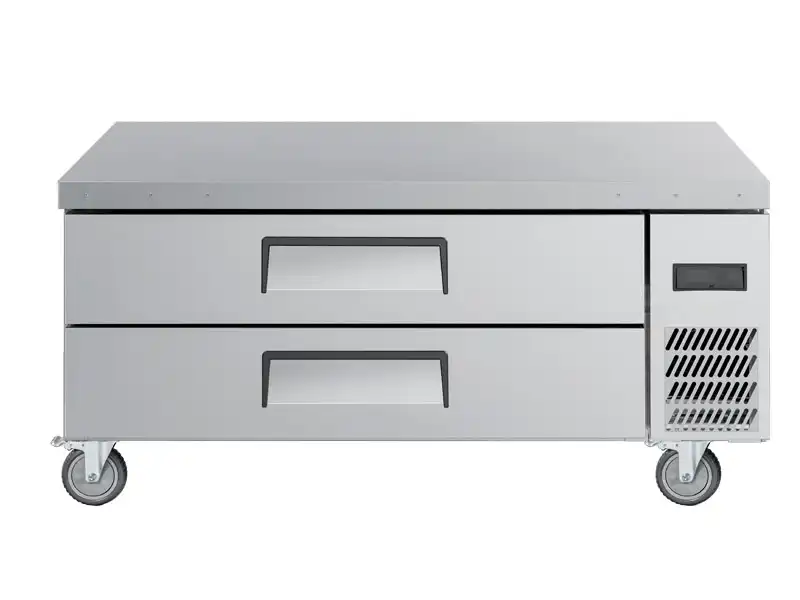
4. Ensuring Proper Airflow Around the Unit
- Check that there is adequate clearance around the chef base refrigerator.
- Maintain at least several inches of space from walls and other equipment.
- Clear any obstructions from the air intake and exhaust vents.
- Proper airflow prevents the unit from overheating.
- Restricted airflow reduces cooling efficiency and increases energy usage.
This simple step significantly impacts the unit’s performance and lifespan.
Monthly and Quarterly Deep Cleaning Procedures
Beyond daily tasks, periodic deep cleaning is essential. These procedures address components not easily accessible during routine cleaning. They are crucial for maintaining peak performance and hygiene.
1. Thoroughly Cleaning Condenser Coils for Efficiency
- Disconnect the power supply to the unit.
- Locate the condenser coils, usually at the bottom or rear of the unit.
- Use a stiff brush or vacuum cleaner with a brush attachment to remove dust and debris.
- Clean coils thoroughly to ensure optimal heat dissipation.
- Dirty coils force the compressor to work harder, increasing energy consumption and wear.
Cleaning the condenser coils is one of the most impactful maintenance tasks.
2. Inspecting and Cleaning Evaporator Coils
- Access the evaporator coils, typically located inside the refrigerated compartment.
- Inspect coils for ice buildup or frost.
- If frost is present, manually defrost the unit according to manufacturer instructions.
- Clean any visible dirt or grime from the coils with a soft brush.
- Ensure the drain pan and line below the evaporator are clear.
Clean evaporator coils facilitate efficient cooling.
3. Draining and Cleaning the Condensate Pan and Drain Line
- Locate the condensate pan, often near the compressor.
- Carefully remove and empty the pan.
- Clean the pan with warm, soapy water and a sanitizer.
- Check the drain line for clogs and clear any blockages.
- A clogged drain line can cause water leaks and damage to the unit.
This prevents foul odors and potential water damage.
4. Checking Refrigerant Levels and System Integrity
- This task requires a certified technician.
- Schedule professional checks of refrigerant levels annually.
- Technicians will inspect the entire refrigeration system for leaks.
- They will also verify proper pressure and charge.
- Correct refrigerant levels are vital for efficient cooling and system health.
Maintaining proper refrigerant levels prolongs the life of the compressor.
Troubleshooting Common Chef Base Refrigerator Issues
Even with diligent maintenance, issues can arise. Knowing how to troubleshoot common problems can save time and prevent extensive damage. We provide practical steps for common issues.
1. Diagnosing and Fixing Temperature Fluctuations
- Check if the door is sealing properly; clean or replace gaskets if needed.
- Ensure the thermostat setting is correct and has not been accidentally changed.
- Verify that the condenser coils are clean and free of obstructions.
- Confirm adequate airflow around the unit.
- If issues persist, a professional technician should inspect the refrigerant levels and compressor.
Consistent temperature is vital for food safety.
2. Addressing Excessive Frost Buildup
- Check door gaskets for airtight seal; replace if damaged.
- Ensure the door is not left open for extended periods.
- Verify that the defrost cycle is functioning correctly.
- Manually defrost the unit if frost is severe.
- Persistent frost may indicate a faulty defrost heater or sensor, requiring professional service.
Excessive frost reduces cooling efficiency.
3. Resolving Unusual Noises or Vibrations
- Check if the unit is level; adjust leveling feet as needed.
- Inspect fan blades for obstructions or damage.
- Ensure all internal components are securely fastened.
- Unusual noises can indicate a failing fan motor or compressor.
- If the noise is loud or persistent, contact a qualified technician for diagnosis.
Prompt attention can prevent further damage.
4. What to Do When the Refrigerator Stops Cooling
- Verify the unit is plugged in and receiving power.
- Check the circuit breaker for tripped circuits.
- Ensure the thermostat is set to the correct temperature.
- Clean condenser coils if they are dirty.
- If the unit still does not cool, contact a professional technician immediately.
A non-cooling refrigerator requires urgent attention to prevent food spoilage. For more detailed troubleshooting steps, refer to Troubleshooting steps for a commercial refrigerator that is not cooling can be carried out as follows: or Tips for Checking When Your Refrigerator Stops Cooling.
Maximizing Efficiency and Longevity with Camay Chef Bases
At ZHEJIANG KAIMEI CATERING EQUIPMENT CO., LTD., we design our Camay chef bases for durability and performance. Our commitment to quality ensures they withstand the rigors of commercial kitchens. We integrate features that simplify maintenance and extend operational life.
1. Features of Camay Chef Bases Designed for Easy Maintenance
Camay chef bases feature durable stainless steel construction for easy cleaning. Rounded corners on the bottom shelf facilitate thorough sanitization. Accessible condenser coils simplify routine cleaning. These design choices minimize maintenance time and effort. For example, the Camay 60” Countertop Refrigerated Chef Base (Model MAR-60A) includes these user-friendly features.
If you are looking for other efficient refrigeration solutions, consider reading Boost Kitchen Efficiency with Integrated Worktop Refrigeration Solutions.
2. How Camay’s R290 Refrigerant Contributes to Efficiency
Camay utilizes eco-friendly R290 refrigerant in our chef bases. R290 is a natural hydrocarbon with a low global warming potential. It offers superior thermodynamic properties, enhancing cooling efficiency. This translates to lower energy consumption and reduced operational costs. R290 also contributes to a more sustainable environmental footprint.
3. The Role of Smart Digital Controls in Proactive Maintenance
Our chef bases incorporate smart digital temperature control systems. These systems offer optional IoT and WiFi functions. They allow for intelligent monitoring and remote management. This technology enables proactive maintenance by alerting staff to potential issues. It ensures precise temperature regulation and optimal performance.
Partner with ZHEJIANG KAIMEI CATERING EQUIPMENT CO., LTD. for Your Commercial Refrigeration Needs
We are a professional one-stop-shop refrigeration equipment manufacturer with 26 years of experience. We offer durable, energy-efficient solutions designed for the demands of commercial kitchens. Our products, including chef bases, undercounter refrigerators, and display cases, meet stringent international certifications like ETL, DOE, and ENERGY-STAR. Contact us today to discuss your specific needs and discover how our high-quality equipment can enhance your kitchen’s efficiency and reliability.
Phone: +86 181 5720 2219
Email: Sales@hzcamay.com
About the Author
David Qian has a background in refrigeration equipment and 28 years of experience in the refrigeration industry. He is the Founder of ZHEJIANG KAIMEI CATERING EQUIPMENT CO., LTD. His extensive expertise ensures that the information provided is accurate, practical, and highly relevant to commercial kitchen professionals.
FAQs
1. How often should I clean the condenser coils on my chef base refrigerator?
We recommend cleaning condenser coils monthly. In high-volume kitchens or dusty environments, more frequent cleaning, perhaps bi-weekly, may be necessary. Regular cleaning prevents dust and grease buildup, which can hinder heat exchange and force the compressor to work harder. This practice maintains energy efficiency and extends the unit’s lifespan.
2. What are the signs that my chef base refrigerator needs professional servicing?
Several signs indicate a need for professional servicing. These include persistent temperature fluctuations despite adjustments, unusual loud noises, excessive frost buildup that doesn’t clear with defrost cycles, or if the unit stops cooling entirely. Any refrigerant leaks or error codes displayed on the control panel also warrant immediate professional attention.
3. Can I use any cleaning solution on the stainless steel surfaces of my chef base?
No, you should not use just any cleaning solution. Always use mild, food-safe cleaners specifically designed for stainless steel. Avoid abrasive cleaners, steel wool, or chlorine-based products, as these can scratch the surface or cause corrosion. Always wipe with the grain of the stainless steel and dry thoroughly to prevent streaks.
4. Why is my chef base refrigerator running constantly?
A chef base refrigerator running constantly often indicates an underlying issue. Common causes include dirty condenser coils, which impede heat dissipation, or a faulty door gasket allowing cold air to escape. It could also be due to an incorrect thermostat setting, a failing fan motor, or low refrigerant levels. Address these issues promptly to prevent compressor burnout and high energy bills.
5. What is the ideal temperature range for a commercial chef base refrigerator?
The ideal internal temperature range for a commercial chef base refrigerator is generally between 0.5°C and 5°C (33°F and 41°F). This range is crucial for safely storing perishable food items and inhibiting bacterial growth. Regularly monitor and adjust the temperature to ensure it remains within this safe and efficient operating zone.